







- Where
- Lyon, Rhône-Alpes
- Directions
- Directions
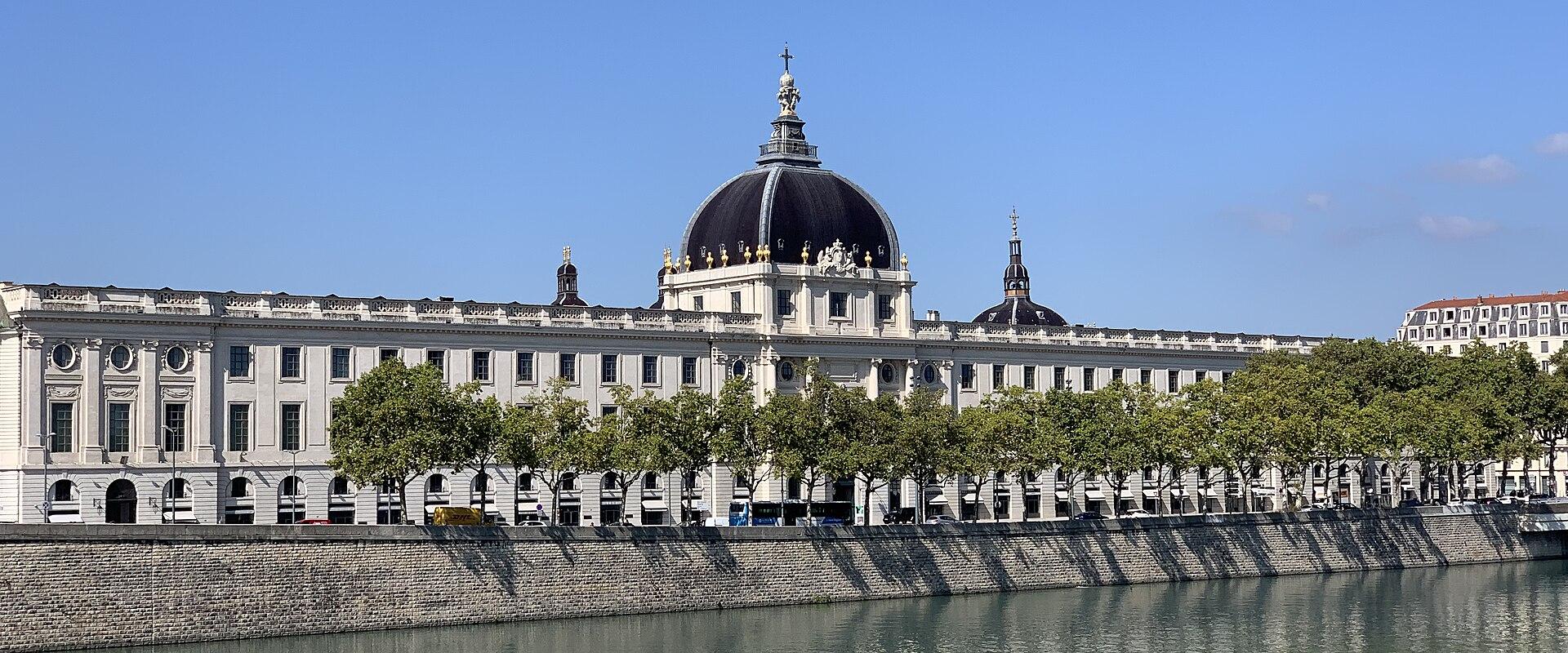
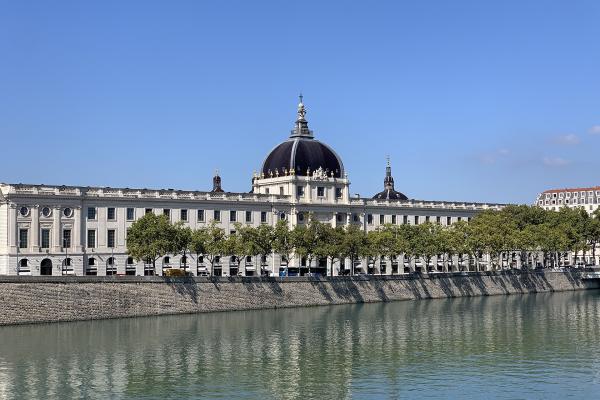
The Hospices Civils de Lyon is the hospital system of the city, one of the oldest and largest in France, and its museum is housed in the Grand Hôtel-Dieu, the monumental building on the bank of the Rhône that served for centuries as Lyon's principal hospital. The building stands on the Quai des Célestins, in the centre of the Presqu'île, and its long classical façade, crowned by a dome, is one of the most imposing sights along the river. The museum tells the story of medicine and care in the city and is a window on the history of the institution that is still among the leading university hospital centres of France.
The origins of hospital care in Lyon are very old. Charitable hospices, set up by religious institutions, existed from the Middle Ages, and the Hôtel-Dieu was founded in the twelfth century to receive the sick and poor. It took its monumental form in the seventeenth and eighteenth centuries, when the buildings were enlarged around courtyards, and the architect Jacques-Germain Soufflot, who later designed the Panthéon in Paris, added the great façade and the dome between 1741 and 1748. The writer François Rabelais, who trained as a doctor, worked here from 1532, and it was during this time that he published his comic novel Pantagruel, which has made the building a stop for literary pilgrims. Lyon became a major centre for medical research and teaching, and the hospital's staff pioneered new techniques in surgery, anatomy and public health.
The museum presents the heritage of the hospitals through objects, documents, paintings and furnishings, giving a picture of what hospital life was like over the centuries. It shows the medical instruments, the pharmacy jars and equipment, the portraits of benefactors and physicians, and the traces of the religious sisters who nursed the sick, with their rules and costumes. The building itself adds interest, with its high ceilings, large wards and a historic apothecary with its collection of faience jars. Guided tours in French and English cover both the general history of the hospital and the daily lives of the patients and staff.
In recent years, the Grand Hôtel-Dieu has been transformed. Following the move of the hospital's services to modern sites, the building was restored and converted into a complex with a hotel, shops, restaurants and the Cité Internationale de la Gastronomie de Lyon, a museum and cultural centre devoted to food and drink, which opened in 2019. The renovated courtyards and galleries are open to the public, and walking through them gives a sense of the grandeur of the original. The museum remains a separate and quiet part of the complex.
The Hôtel-Dieu is close to many sights, including the Place Bellecour, the Cathédrale Saint-Jean-Baptiste across the river and the Basilica of Notre-Dame de Fourvière on its hill. Les Halles de Lyon Paul Bocuse and the Musée des Confluences are a short way off. The museum suits those interested in medical history, architecture and social heritage. Opening days are limited, usually from Tuesday to Saturday, so check the times and book guided tours in advance.
Categories
More photos coming soon
Nearby Attractions
Other places to visit in Lyon
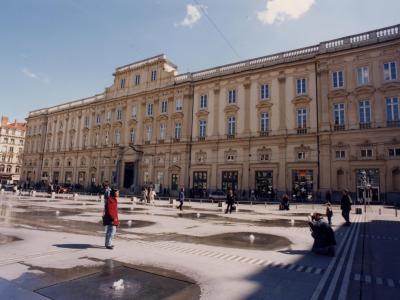
Musée des Beaux-Arts de Lyon
France's second-largest museum in a 17th-century abbey
Historic Architecture · Museums & Culture
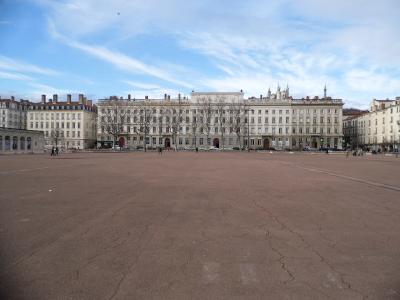
Place Bellecour
Europe's largest pedestrian square with red laterite paving
Free City Centers · Heritage Trails
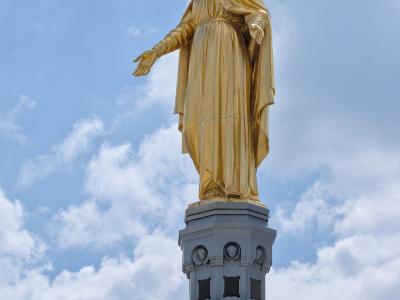
Basilica of Notre-Dame de Fourvière
19th-century basilica with panoramic Lyon views
Architectural Landmarks · Churches
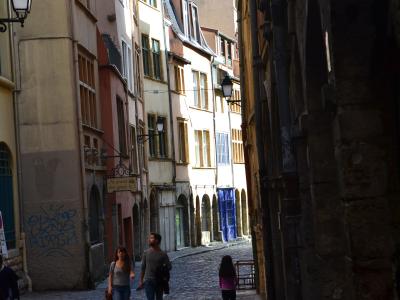
Vieux Lyon (Old Lyon)
UNESCO Renaissance district with hidden traboules
Guided Experiences · Historic Architecture
Questions people ask
Quick Facts
Best Time to Visit
May to June and September to October offer mild weather and ideal conditions for outdoor activities and sightseeing.