







- Where
- Aix-en-provence, Provence-Alpes-Côte d'Azur
- Directions
- Directions
Aix-en-Provence is a university town and former capital of Provence, famous for its plane-lined avenues, its hundreds of fountains and its connection with the painter Paul Cézanne, and its history goes back to the Romans. The city was founded in 122 BC by the consul Caius Sextius Calvinus, who established a military camp beside the hot springs, and named it Aquae Sextiae, the waters of Sextius. It was the first Roman settlement in Gaul, and it grew into a small provincial town.
The visible Roman remains of Aix are modest, and the city's character is largely that of the seventeenth and eighteenth centuries, when it was the seat of the Parliament of Provence and the nobles built their elegant town houses, called hôtels particuliers. The Quartier Mazarin, laid out in the 1640s on a grid, is the finest example, with its quiet streets and fountains. The Cours Mirabeau, the grand avenue lined with plane trees and cafés, is the main promenade. Remains of the Roman period have been found in different parts of the town, including the baths near the thermal springs, and fragments appear in museums and in the foundations of later buildings.
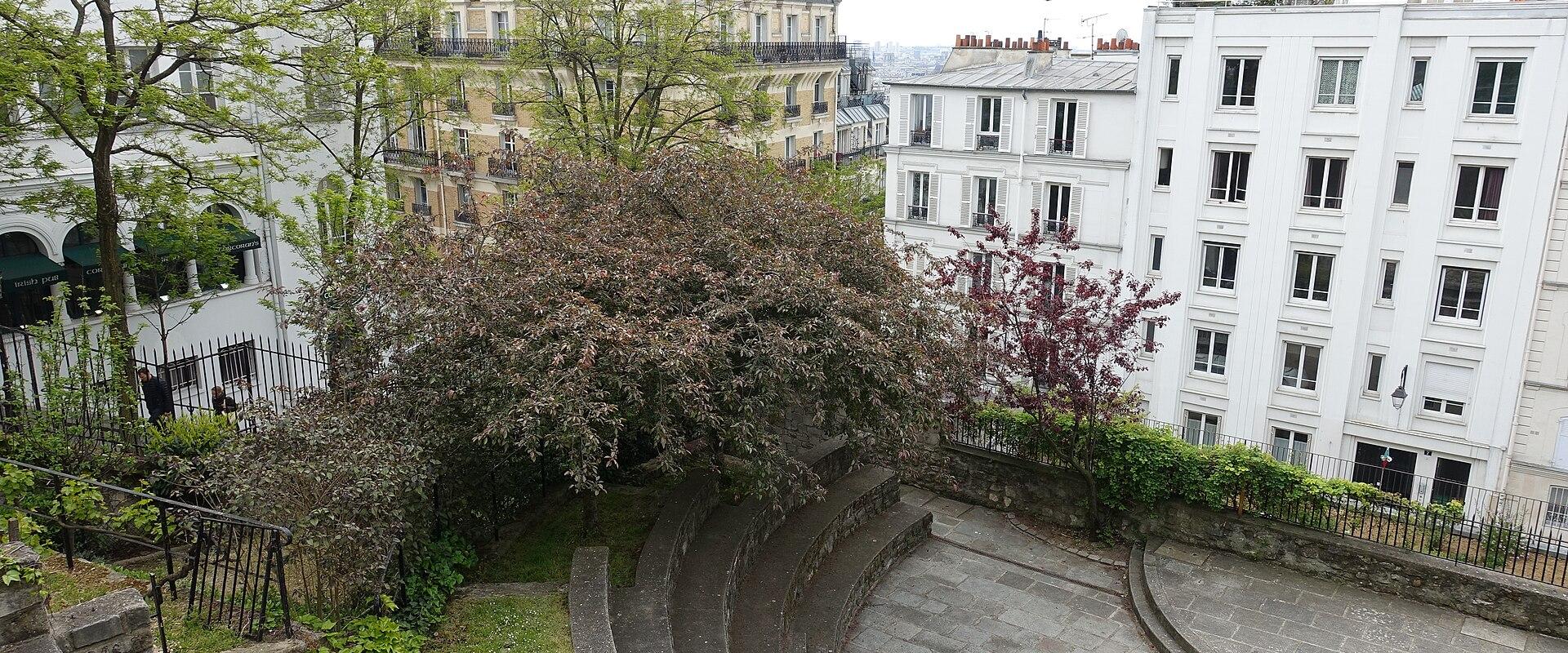
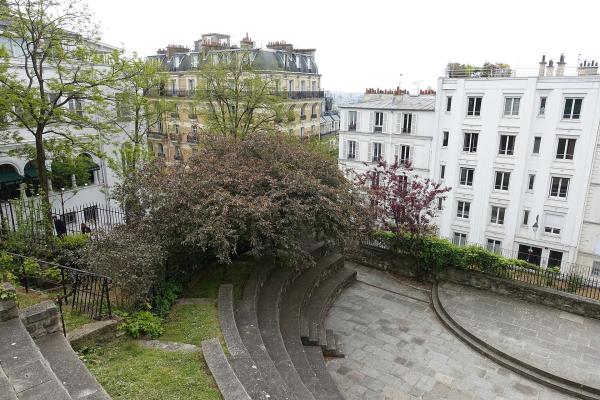
A public garden in a historic city like this one is a place of shade and calm. The summer in Provence is hot and bright, and the old streets of Aix are cool and shaded in comparison, but a garden with mature trees and benches gives a spot to rest, particularly in the afternoon. Benches, pathways and flowering plants are typical of the public gardens of the town, and the setting is likely to be quiet, away from the main streets and the markets.
The rest of the city offers plenty to see. The Cathédrale Saint-Sauveur, with its Roman and medieval parts, the Musée Granet, with its Cézanne paintings, the Atelier de Cézanne, where the painter worked in his last years, the Hôtel de Ville with its clock tower, and the markets of the Place Richelme and the Place de la Mairie are the highlights. Mont Sainte-Victoire, the mountain Cézanne painted again and again, rises to the east of the town.
The garden suits walkers and anyone looking for a quiet moment, and it can be combined with a day exploring the old town.
Categories
More photos coming soon
Nearby Attractions
Other places to visit in Aix-en-provence
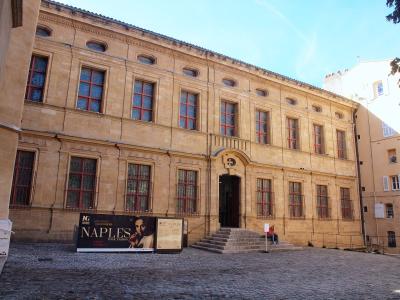
Musée Granet
Major Cézanne collection and Paul McCartney photos
Art Museums · Cultural Centers
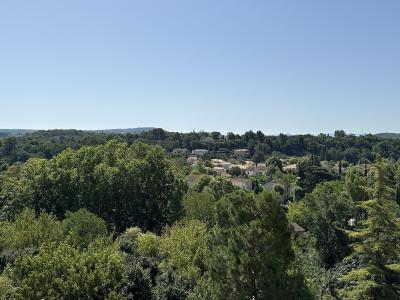
Château de la Tour d'Aigues
16th-century Renaissance ruins housing a faience museum
Free Castles · Heritage Trails
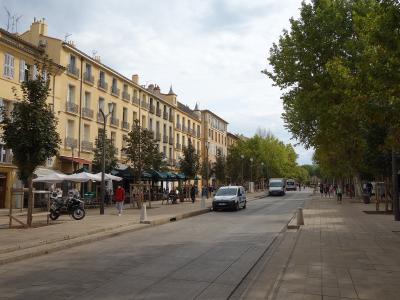
Cours Mirabeau
Tree-lined avenue with fountains and mansions
Free Historic Architecture · Nature & Parks
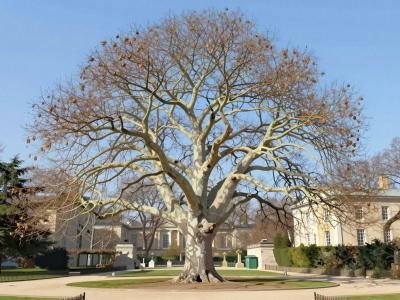
Jardin Botanique des Planes
Botanical garden with rare plant species in Aix-en-Provence
Free Nature & Parks
Questions people ask
Quick Facts
Best Time to Visit
March to May and September to November offer mild weather and fewer crowds for optimal exploration.