







- Hours
- January: Closed; March: 09:00-19:00; May: 11:00-18:00
- Where
- Grenoble, Rhône-Alpes
- Directions
- Directions
La Bastille is the fortress on the hillside above Grenoble, and it has become the city's emblem, reached by one of the most unusual ways of getting to a monument in France: a cable car whose spherical cabins, known as the Bubbles, glide up from the Isère embankment in about five minutes. The line opened in 1934, making it the first urban cable car in France, and the transparent cabins that run today give the ride a futuristic look that contrasts with the stone ramparts at the top. The journey crosses the river and climbs steeply over the roofs of the old town, and the view widens at every moment.
The fortress has a long history. The hillside above the city was fortified in the late sixteenth century under Lesdiguières, the governor of the Dauphiné, who strengthened the city's defences, and it was repeatedly reworked in the following centuries. The works that survive today owe much to the early nineteenth century, when engineers rebuilt and expanded the fortifications to protect the Alpine frontier, creating a system of walls, bastions, casemates and covered passages. It is one of the best-preserved examples of French military architecture of that period, and walking around the ramparts and through the underground passages shows how the garrison lived and how the defences worked.
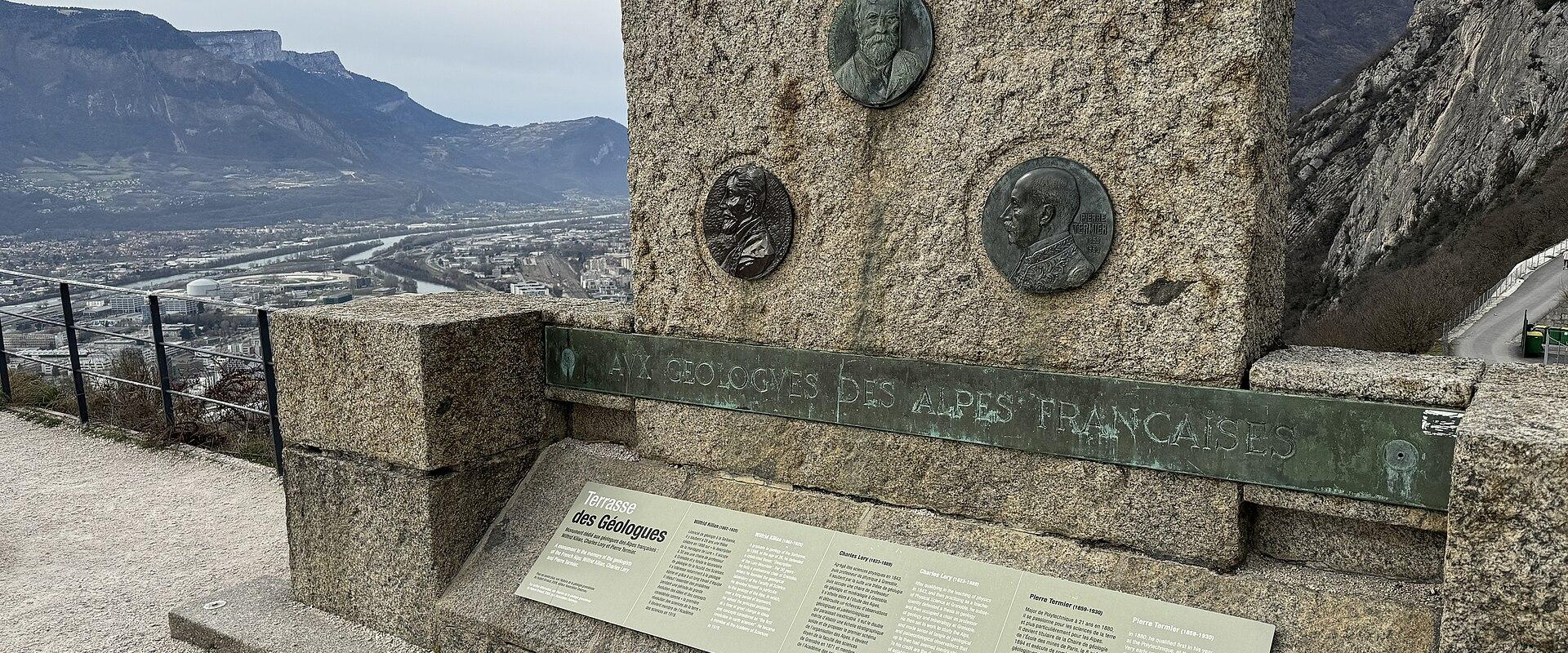
The terrace at the top is the main attraction. From here you look down over the Isère and the Drac, which meet at Grenoble, and over the grid of streets, towers and tramways, and beyond the city the mountains rise in all directions: the Vercors plateau to the west, the Chartreuse massif to the north and the Belledonne range to the east. On clear days, Mont Blanc can be seen on the horizon. The view explains why Grenoble is known as the capital of the Alps, and it helps visitors understand how the city sits in a basin of rivers and peaks. At the top there is also a café and several trails.
The fortress houses the Musée des Troupes de Montagne, a museum telling the story of the French mountain troops, the elite soldiers trained to fight in alpine terrain, with uniforms, equipment and documents. A few paths lead from the Bastille through the Jardin des Dauphins and down the hill, offering a pleasant walk back to the city for those who prefer to descend on foot. Guided tours of the fortifications are offered, and the cable car and museum have separate tickets, and the cable car may close for maintenance at certain times of the year, so check before you go.
Below, the city offers further sights, including the Place Saint-André, the Place Grenette, the Quartier Saint-Laurent on the opposite bank, the Musée de Grenoble, with its excellent art collection, the Musée archéologique Saint-Laurent and the Île Verte. The Parc du Château de Vizille, home to a museum of the French Revolution, is a short drive south. The Bastille suits families, walkers, photographers and anyone interested in military history or mountain scenery. Plan on two to three hours, and go on a clear day.
Categories
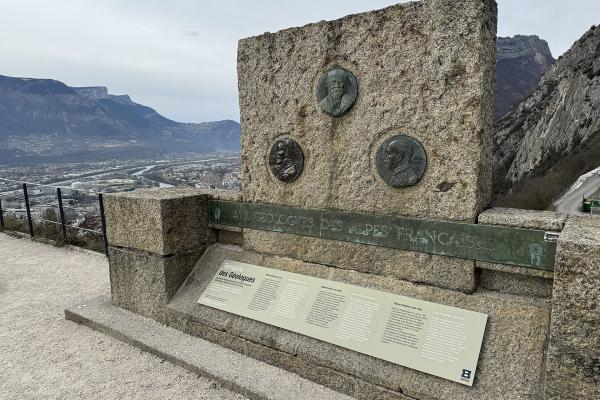
More photos coming soon
Opening Hours
- Open
- January: Closed; March: 09:00-19:00; May: 11:00-18:00
Hours and prices change, especially out of season. Check with the venue before you go.
Nearby Attractions
Other places to visit in Grenoble
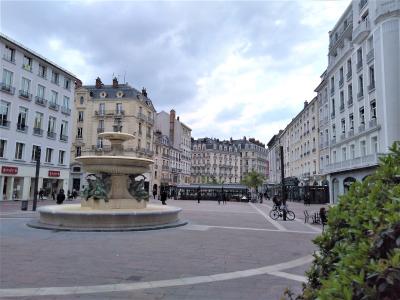
Place Grenette
Grenoble's historic market square with a 1825 fountain
Free City Centers · Heritage Trails
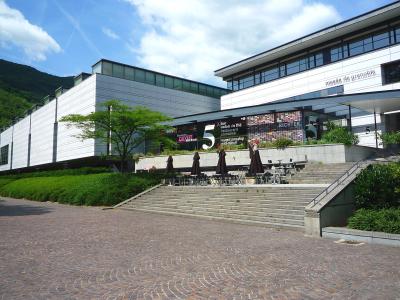
Musée de Grenoble
Major museum of Western painting from 13th to 20th century
Museums & Culture · Art Museums
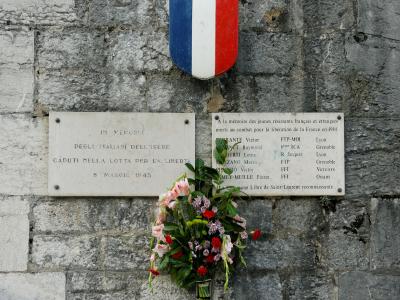
Le Quartier Saint-Laurent
Archaeological museum with 6th-century crypt
Free Churches · Heritage Trails
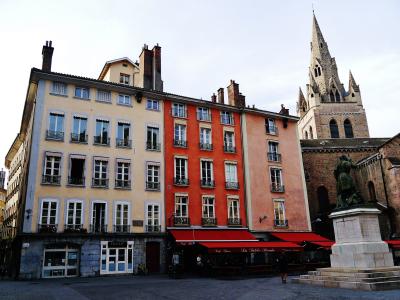
Place Saint-André
Historic square with Bayard statue and 1739 café
Free Churches · City Centers
Questions people ask
Quick Facts
Best Time to Visit
May to September for hiking and sightseeing; December to March for winter sports.