Grenoble
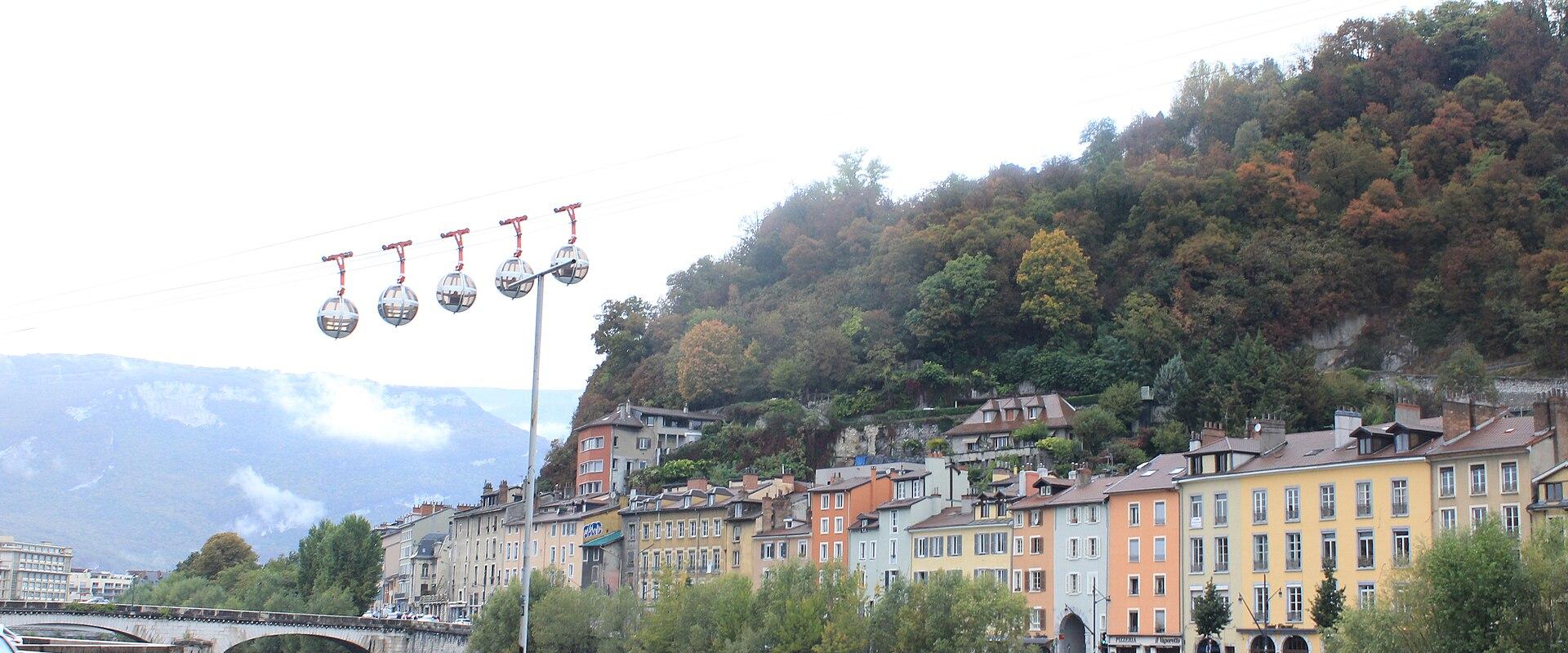
Alpine gateway city with Bastille fortress and cable car
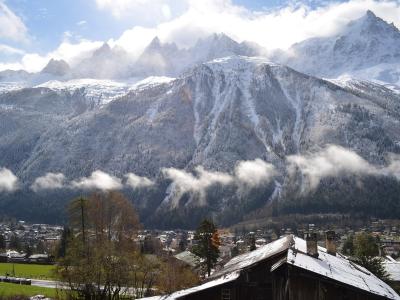
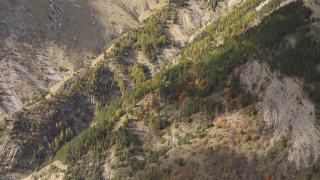
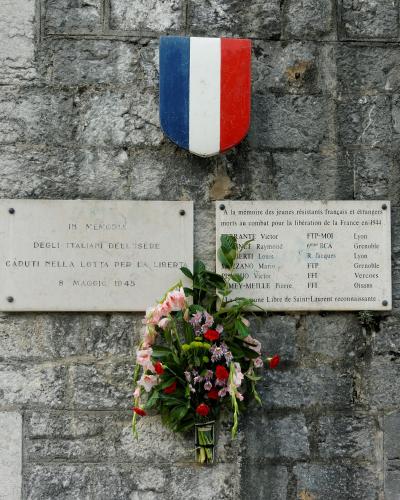
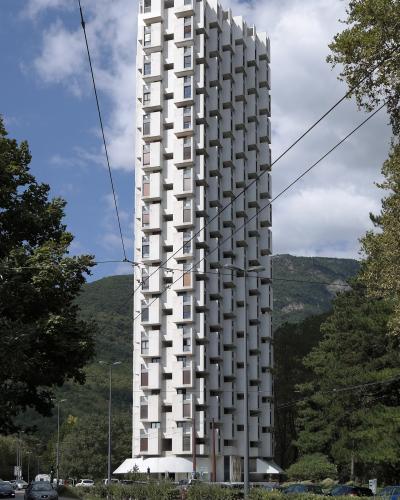
Grenoble, situated in the Isère department of the Auvergne-Rhône-Alpes region, is a city defined by its dramatic alpine setting and dynamic cultural life. Located at the foot of the Chartreuse and Vercors mountain ranges, it has long served as a strategic gateway between the north and south of Europe. The city's history is marked by its role as the capital of the Dauphiné province and its significant contribution to the French Resistance during World War II, commemorated by the Musée de la Résistance et de la Déportation. Today, Grenoble is known as a 'city of knowledge,' hosting major research institutions and universities, which contribute to its lively, youthful energy. The urban landscape is a blend of medieval architecture, such as the Palais des Archevêques, and modern structures, reflecting its evolution from a medieval stronghold to a contemporary hub of innovation.
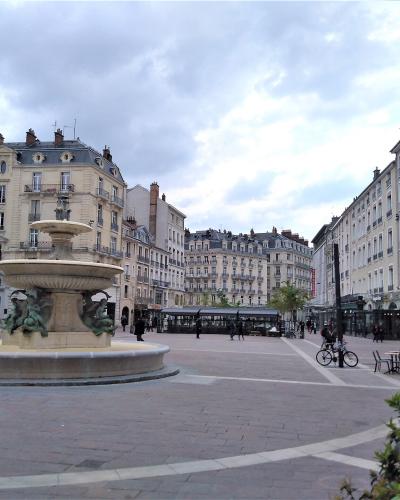
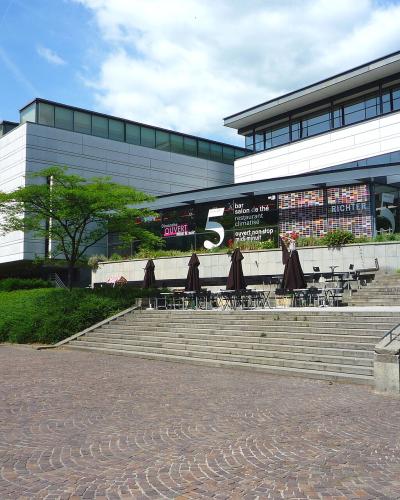
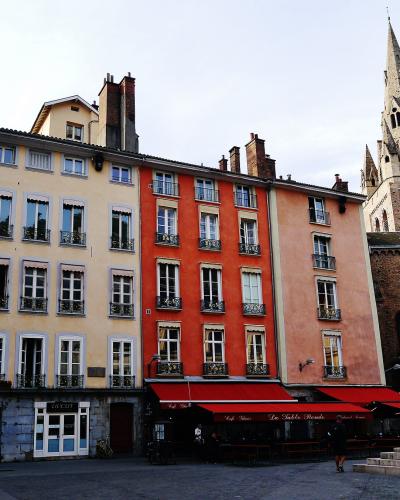
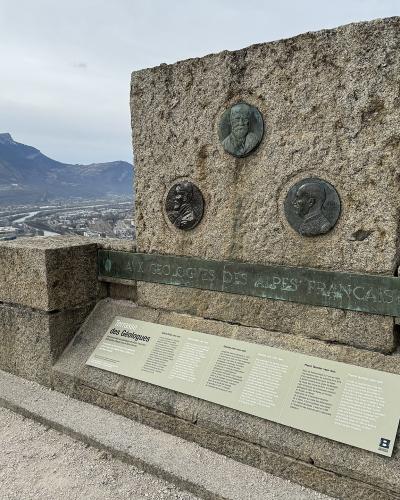
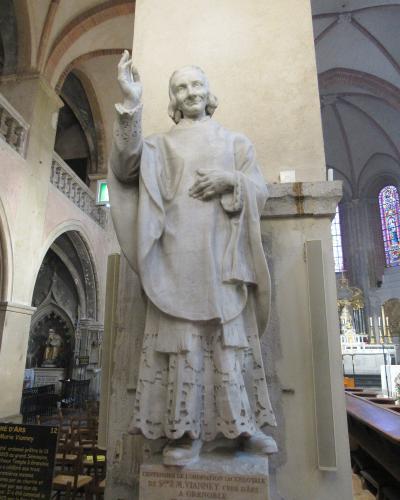
The most iconic landmark of Grenoble is the Fort de la Bastille, perched on a rocky outcrop overlooking the city. Accessible via the Téléphérique de Grenoble, a modern cable car system, the fort offers breathtaking panoramic views of the city and the surrounding Alps. The fort itself houses a museum detailing the history of the fortress and the region. In the city center, the Place Grenette is a lively square surrounded by cafes and shops, while the Saint-Étienne Cathedral stands as a testament to the city's religious heritage. The Isère River flows through the city, providing scenic walkways and opportunities for water sports. The Musée de Grenoble, located near the river, houses an impressive collection of art ranging from the Middle Ages to contemporary works, including pieces by Matisse and Picasso.
Grenoble is a premier destination for outdoor enthusiasts. In winter, it serves as a gateway to some of the best ski resorts in the world, including Chamrousse and Les Deux Alpes, which are easily accessible by public transport. The city itself offers cross-country skiing and ice skating in the winter months. In summer, the surrounding mountains provide extensive hiking and climbing trails, while the rivers offer opportunities for kayaking and rafting. The Bastille cable car is also popular for hiking up the mountain for a more strenuous ascent. The city hosts various festivals throughout the year, including the Grenoble Film Festival and the Festival of Lights, which attract visitors from across Europe.
Getting to Grenoble is convenient via train, with TGV services connecting it to Paris, Lyon, and other major French cities. The train station is located in the city center, making it easily accessible. For those traveling by car, Grenoble is connected by the A48 and A51 motorways. The best time to visit Grenoble depends on the desired activities. For summer outdoor activities such as hiking and sightseeing, May to September is ideal, with warm weather and long daylight hours. For winter sports, December to March offers the best snow conditions. Spring and autumn provide mild weather and fewer crowds, making them suitable for exploring the city and its museums. Grenoble combines alpine beauty, historical depth, and modern vitality, making it a compelling destination for travelers seeking both adventure and culture.
Best Time to Visit
May to September for hiking and sightseeing; December to March for winter sports.
Did you know?
Interesting, verified facts about Grenoble
Grenoble Is Shaped by a River
HistoryGrenoble, located in the Auvergne-Rhône-Alpes region, is a vibrant city nestled in the French Alps at the confluence of the Isère and Drac rivers.
Source: Grenoble - Simple English Wikipedia, the free encyclopediaPlan Your Visit to Grenoble
Essential travel tips and information for your trip to Grenoble.
Suggested Itineraries
One Day in Grenoble
1 dayPerfect for a quick visit. See the main highlights and get a taste of local culture.
Extended Grenoble Experience
2-3 daysComprehensive exploration including nearby attractions and cultural experiences.
Travel Tips
Currency
EUR • Cards widely accepted
Language
French • English in tourist areas
WiFi
Free WiFi in cafes and hotels
Explore Grenoble by Interest
Discover attractions and experiences in Grenoble organized by your interests and travel preferences.
All attractions in Grenoble
Sorted by our recommendation score
Quick Facts
Book your stay
Frequently Asked Questions
More destinations in Auvergne
Explore other amazing places in the Auvergne region