







- Admission
- Free access
- Hours
- Open all year round, daily
- Where
- Grenoble, Rhône-Alpes
- Directions
- Directions
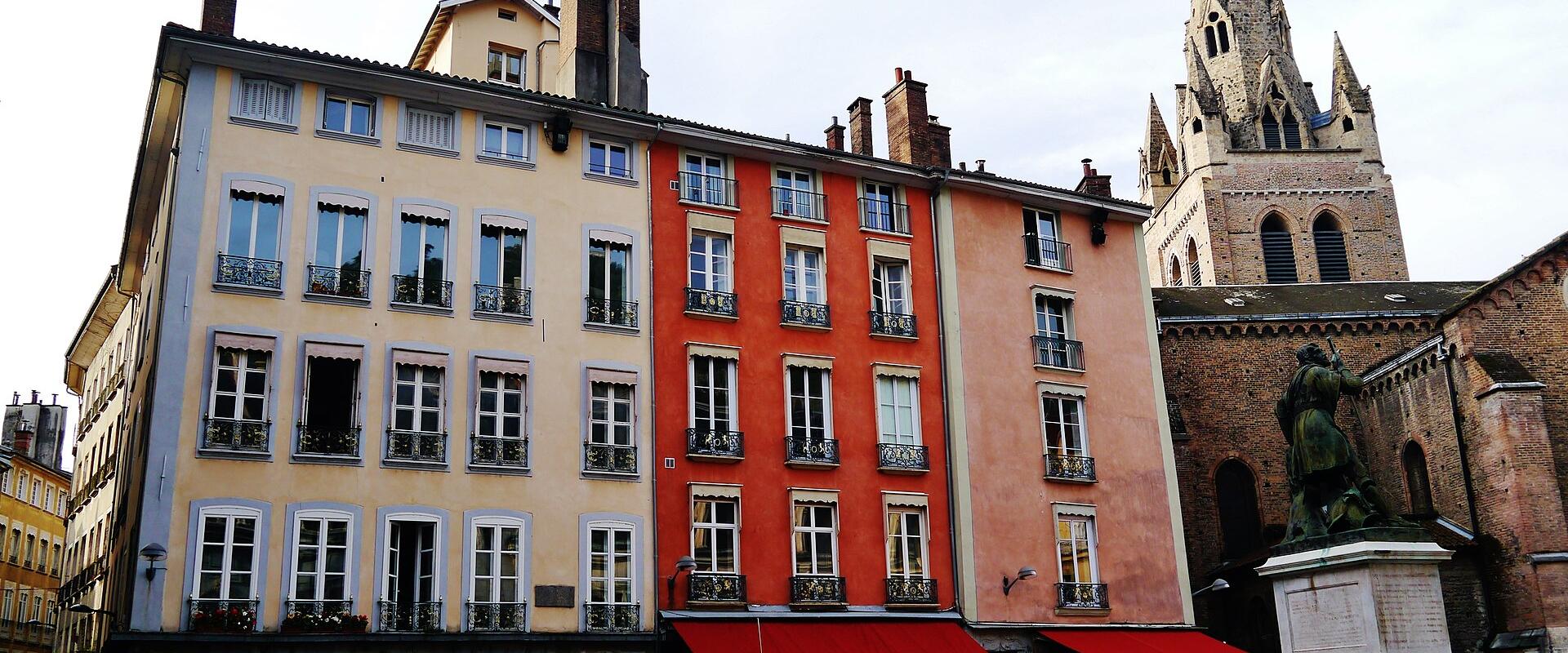
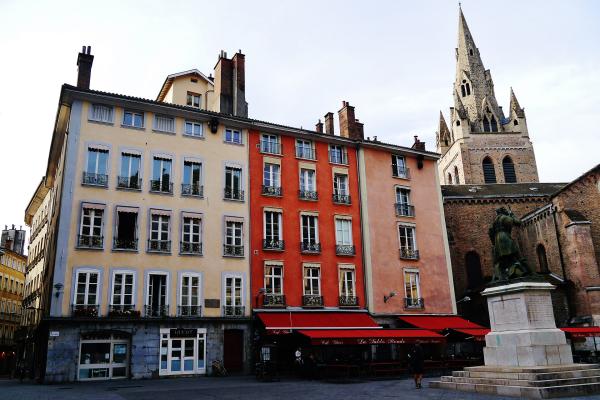
Place Saint-André is one of the oldest and liveliest squares in Grenoble, a pedestrian space in the old town just a few minutes from the Isère river, where the history of the Dauphiné is visible in the stone around you. It is also known as the Place du Tribunal, or Place du Trib, because one side is occupied by the former Palais du Parlement du Dauphiné, the seat of the provincial parliament and later the law courts, which remained in use as a courthouse until 2002. Its late Gothic and Renaissance façade, with decorated gables, makes it one of the finest civil buildings in the city.
Opposite stands the Collégiale Saint-André, a church founded in the thirteenth century by the last dauphins of the Viennois, whose family had ruled the region before it passed to the French crown in 1349. Its brick bell tower is a distinctive landmark in a city better known for stone. Bayard, a knight of the early sixteenth century, was born in the Dauphiné and became a symbol of loyalty and courage, nicknamed the knight without fear and beyond reproach. His bronze statue, put up in the nineteenth century, stands in the middle of the square on a high pedestal, and is a popular meeting point.
The square has a place in the story of the French Revolution. On 7 June 1788, residents of Grenoble resisted the king's soldiers, who had come to enforce the exile of the parliament, by throwing roof tiles from windows and rooftops in an episode known as the Day of the Tiles. The event is widely seen as a precursor of the Revolution, and a few weeks later representatives of the three estates met at the château of Vizille, outside Grenoble. The Domaine de Vizille, now a museum of the French Revolution, makes a good excursion from the city.
Today the square is at its liveliest on summer evenings, when café terraces fill with students, locals and visitors. The Café de la Table Ronde, which opened in 1739 and is among the oldest cafés in France, stands on the square, and its terrace is the traditional spot for a drink. Several restaurants and bars surround it, and the narrow streets around the Rue Chenoise and the Place Grenette lead to more dining options. The pedestrian quarter around the square is a good base for exploring.
From the square, the Bastille fortress, reached by the bubble-shaped cable cars that cross the Isère, offers a panorama of the city and the Alps. The Musée de Grenoble, with a very fine collection of art, the Musée archéologique Saint-Laurent and the Quartier Saint-Laurent, on the opposite bank, are within walking distance. The Île Verte and the Parc du Château de Vizille offer green space. The tram lines A and B stop close by. The square suits everyone, from history lovers to those who simply enjoy a drink in a lively setting.
Categories
More photos coming soon
Hours & Fees
- Open
- Open all year round, daily
- Admission
- Free access
Hours and prices change, especially out of season. Check with the venue before you go.
Nearby Attractions
Other places to visit in Grenoble
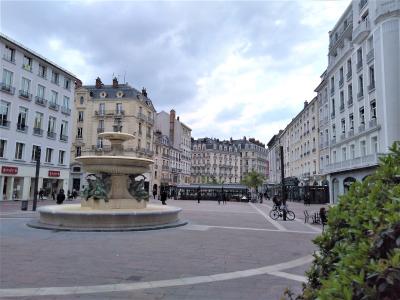
Place Grenette
Grenoble's historic market square with a 1825 fountain
Free City Centers · Heritage Trails
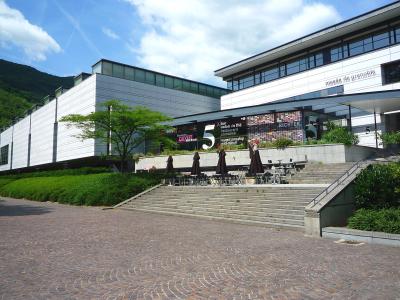
Musée de Grenoble
Major museum of Western painting from 13th to 20th century
Museums & Culture · Art Museums
Le Quartier Saint-Laurent
Archaeological museum with 6th-century crypt
Free Churches · Heritage Trails
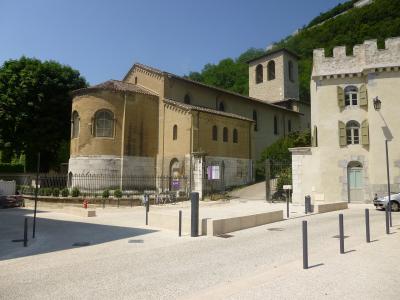
Musée archéologique Grenoble Saint-Laurent
Archaeological museum in old church
Free History Museums
Questions people ask
Quick Facts
Best Time to Visit
May to September for hiking and sightseeing; December to March for winter sports.