







- Admission
- Free admission
- Hours
- Open 24 hours a day, year-round
- Where
- Marseille, Provence-Alpes-Côte d'Azur
- Directions
- Directions
Le Panier is the old quarter of Marseille, set on a hill just north of the Vieux-Port, and it is where the city began. Greek sailors from Phocaea in Asia Minor founded Massalia around 600 BC on this hill and the sheltered harbour at its foot, making it one of the oldest cities in France. The quarter kept its role as the centre of the town for centuries, and its narrow lanes, steep stairs and tight squares still follow a medieval pattern. The name, which means the basket, probably derives from an old inn sign.
The district has lived through a lot. For generations it was home to sailors, dockers and immigrants arriving from Italy, Corsica, Armenia and North Africa, and it had a reputation as a rough and poor neighbourhood. In January 1943 the German occupiers and the Vichy authorities emptied a large part of it, deporting residents and then blowing up many of the old buildings, which changed its layout, and the area was rebuilt after the war. In recent decades it has been renewed, and today it is a lively quarter of artists, craftspeople and small restaurants, with a village atmosphere that contrasts with the bustle of the port.
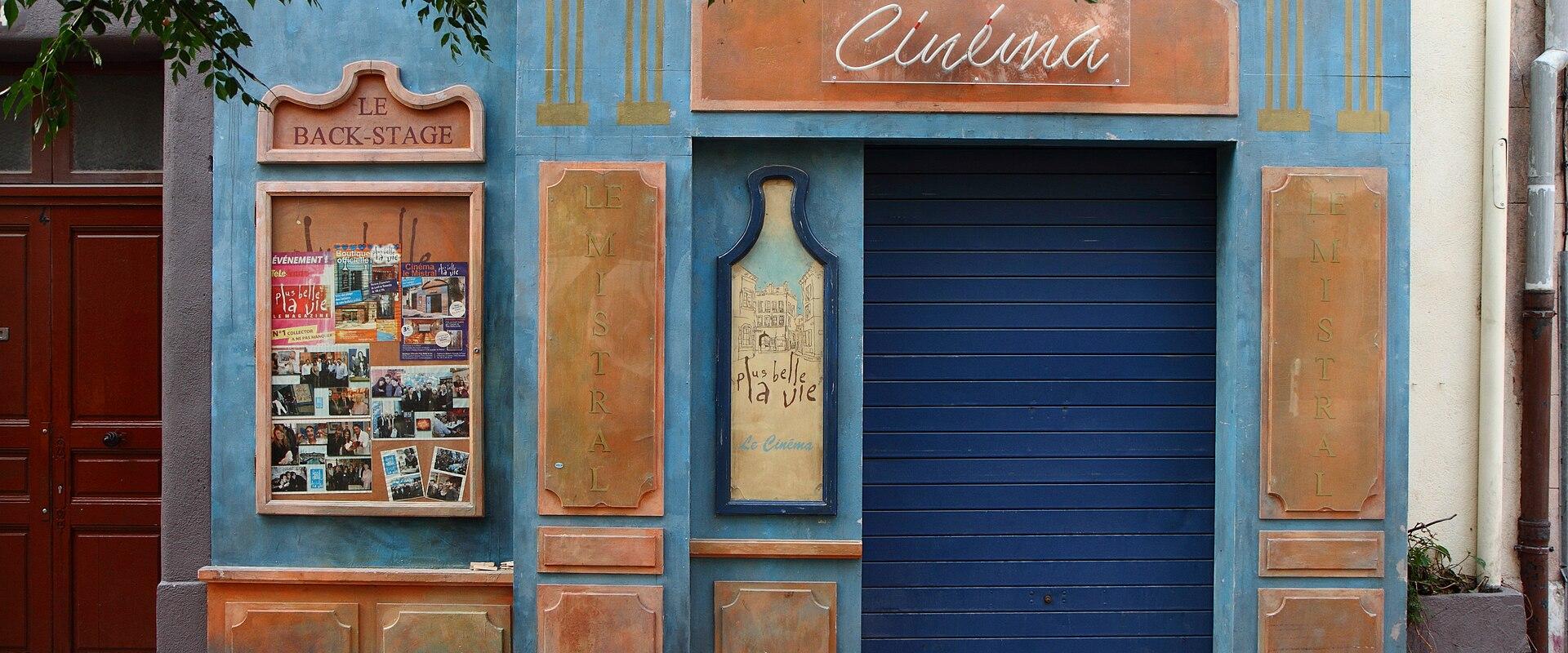
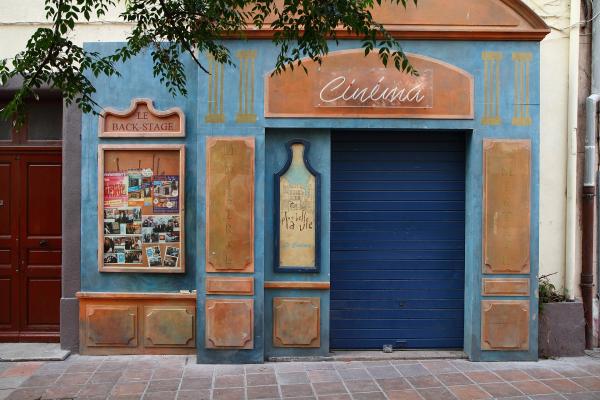
The pleasure of Le Panier is in wandering without a plan. The lanes are lined with tall houses with pastel façades and green shutters, hung with washing, and the walls are covered with street art, murals and mosaics, so that it has been called an open-air museum. Small shops and studios sell ceramics, soap, santons, the little clay figures traditional to Provence, and clothes by local designers. The Place des Moulins, on the summit of the hill, was once the site of windmills and has views over the roofs and the harbour. The Place de Lenche, a small square with cafés, is traditionally linked to the site of the Greek agora, and it is a good place to stop. Marseille's famous navettes, boat-shaped biscuits flavoured with orange blossom, are sold in the bakeries of the quarter.
The most important building is the Vieille Charité, a former almshouse of the seventeenth century designed by the architect and sculptor Pierre Puget. It is arranged around a courtyard with three levels of arcaded galleries, with a baroque chapel at the centre, and it now houses museums of archaeology and non-European arts. Close to it is the Maison Diamantée, a Renaissance house with a façade cut like a diamond, and the Cathédrale La Major, a large nineteenth-century cathedral in Byzantine style stands at the northern edge of the quarter, near the MuCEM. From several terraces and corners you see the basilica of Notre-Dame de la Garde, the Bonne Mère, on its hill to the south.
The quarter is open at all hours and free to explore, and it is best on foot, with sturdy shoes for the hills and steps. Guided tours are available and often start from the Vieux-Port. A morning visit gives the best light. It suits anyone interested in the history, art and everyday life of Marseille.
Categories
More photos coming soon
Hours & Fees
- Open
- Open 24 hours a day, year-round
- Admission
- Free admission
Hours and prices change, especially out of season. Check with the venue before you go.
Nearby Attractions
Other places to visit in Marseille
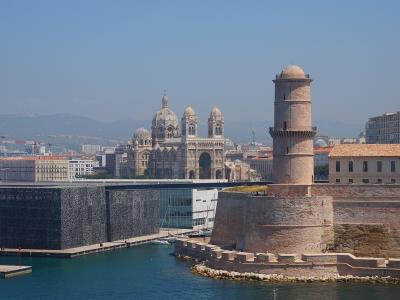
MuCEM (Museum of European and Mediterranean Civilisations)
Anthropological museum in Marseille's historic Fort Saint...
Historic Architecture · Museums & Culture
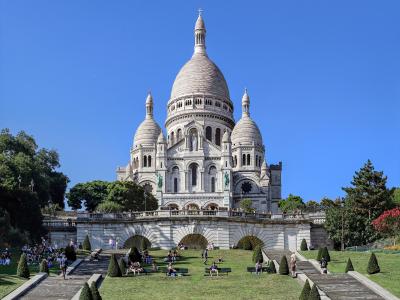
Basilique du Sacré-Cœur
Unfinished 1920 basilica with modernist aesthetic
Free Architectural Landmarks · Churches
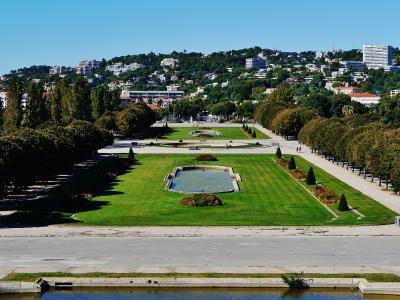
Parc Borély
Municipal park with gardens, lakes, and a castle
Free Gardens · Rivers & Lakes
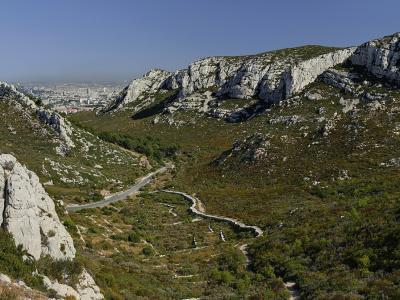
Calanques National Park
Europe's only land, sea, and urban national park
Free Beaches · Cliffs
Questions people ask
Quick Facts
Best Time to Visit
Late June to late August offers warm weather and ideal conditions for beach activities and sightseeing.