







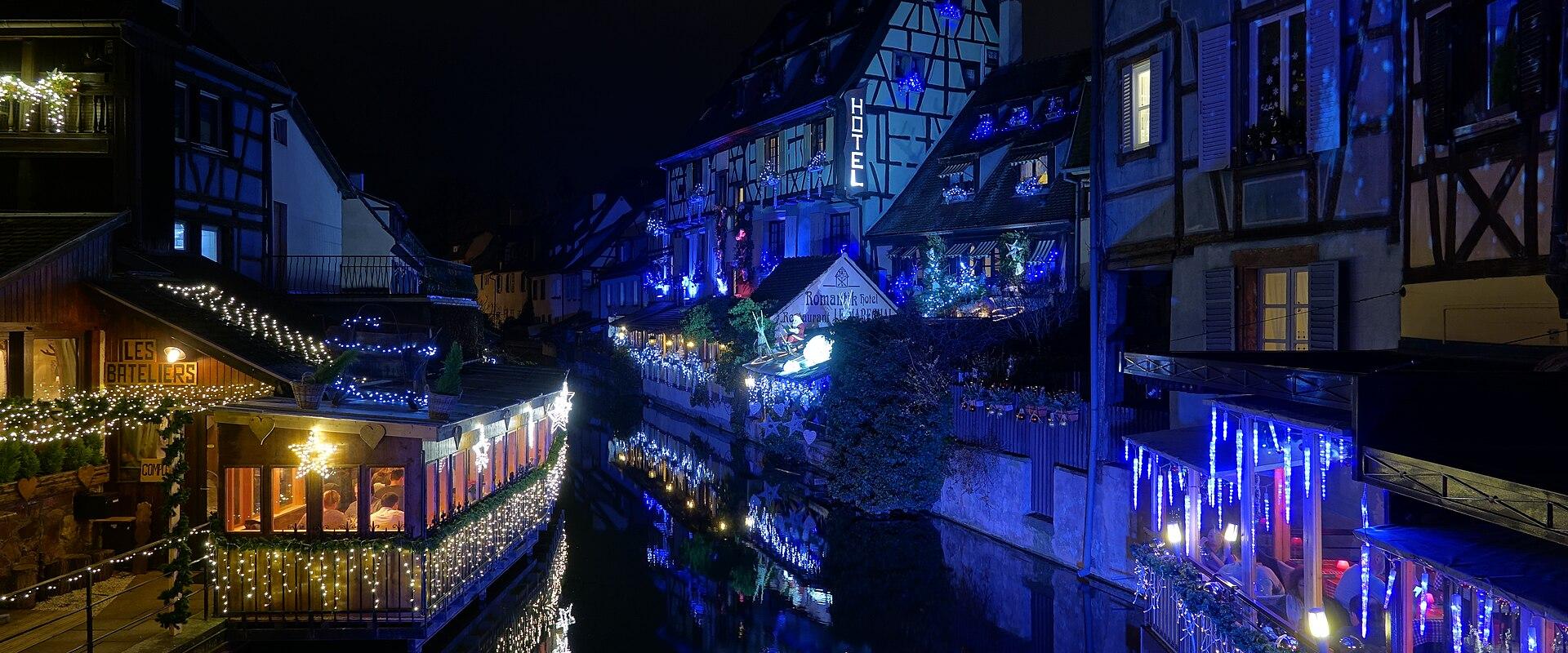
Little Venice (La Petite Venise)
Medieval half-timbered houses along the Lauch river
- Where
- Colmar, Alsace
- Directions
- Directions
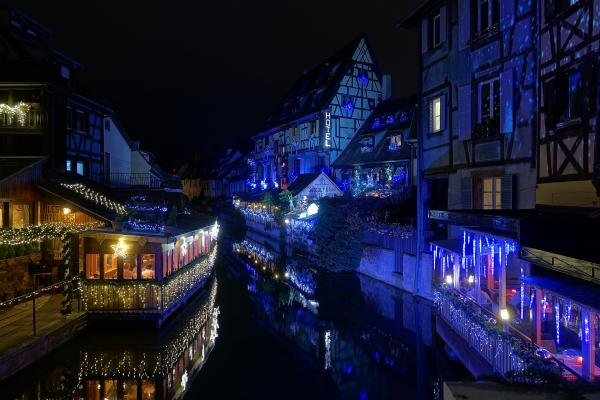
La Petite Venise, Little Venice, is the picturesque corner of Colmar where the river Lauch flows through the old town, and it is the part of the city that people come to photograph. The river is a small, slow stream that was diverted in the Middle Ages to serve the town, and it runs between rows of half-timbered houses whose upper floors lean out over the water. The houses are painted in pastel colours of ochre, pink, blue and green, with flower boxes on the balconies and small wooden gangways at the back, and in the evening their reflections shimmer on the surface. The comparison with Venice is a flattering exaggeration, but the setting does have something of the charm of a miniature water town.
The quarter has a working past. The Lauch brought water to the market gardeners who grew vegetables on the outskirts of the town, to the tanners who needed water for their trade, and to the fishermen who sold their catch at the covered fish market. The Quai de la Poissonnerie, the fishmongers' quay, is one of the best-known streets, lined with tall, narrow houses of the fifteenth to the eighteenth centuries, among them the former houses of the fishermen, with steep roofs and carved beams. Another waterfront street, the Quai de la Poissonnerie's neighbour, the Rue de la Herse, leads to the old tanners' quarter, where tall houses with open lofts for drying hides stand beside the water, and the House of the Tanners is a well-known example. The names of the streets and the shape of the houses are reminders of this history.
One of the pleasures of the district is to take a boat. Flat-bottomed punts, rowed by a guide, leave from a small landing near the Pont Saint-Pierre and glide along the canal for half an hour, passing under bridges and past the houses, with commentary on the history of the quarter. The trip is short and is best in the morning or evening, when the light is gentle and the crowds are thinner. Walking is just as good, as the lanes along the river and the small bridges give a series of views.
The district is open to all, and there is no fee to walk. It is busiest in the middle of the day in the summer and in the Christmas market season in December, when the whole of Colmar is decorated with lights and stalls. Early morning offers calm.
The quarter also contains a museum, the natural history and ethnography museum on the Rue Turenne, which is named after Marshal Turenne, who entered Colmar in 1674. It holds collections on regional geology, stuffed animals and objects from other cultures, and it is closed on Mondays and certain holidays. The Maison Pfister, the Collégiale Saint-Martin, the Colmar covered market and the Unterlinden Museum, with the Isenheim Altarpiece, are all within a ten-minute walk. Colmar is also the birthplace of Frédéric Auguste Bartholdi, the sculptor of the Statue of Liberty, and a small museum is dedicated to him. The district suits couples, photographers and families.
Categories
More photos coming soon
Nearby Attractions
Other places to visit in Colmar
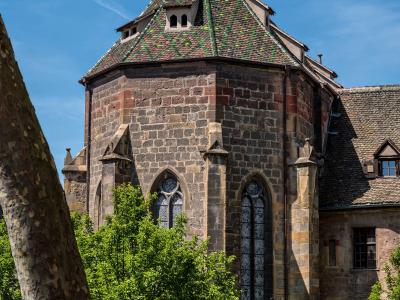
Unterlinden Museum
Former convent housing the Isenheim Altarpiece
From €6 Historic Architecture · Museums & Culture
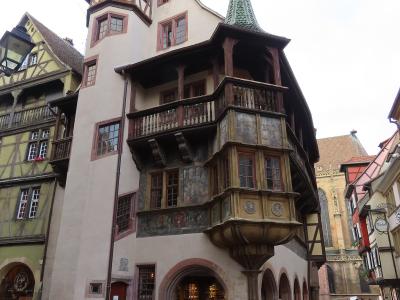
Pfister House
1537 timber-framed house with painted façade
Historic Architecture · Museums & Culture
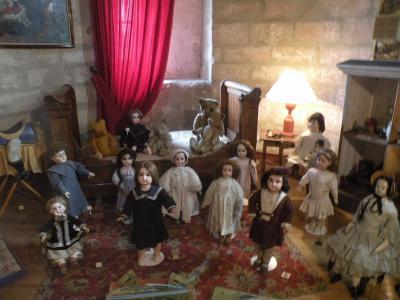
Musée du Jouet
Toy museum in a former cinema in Colmar
Museums & Culture
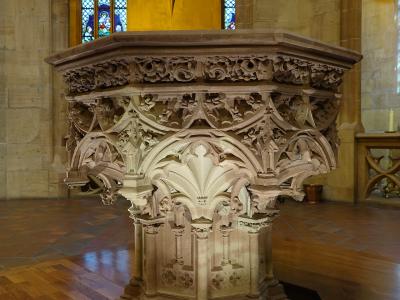
Collégiale Saint-Martin
14th-century Gothic church with stained glass
Free Historic Architecture · Museums & Culture
Questions people ask
Quick Facts
Best Time to Visit
Mid-June to mid-September offers warm weather and ideal conditions for outdoor activities and wine tasting.