







- Where
- Colmar, Alsace
- Directions
- Directions
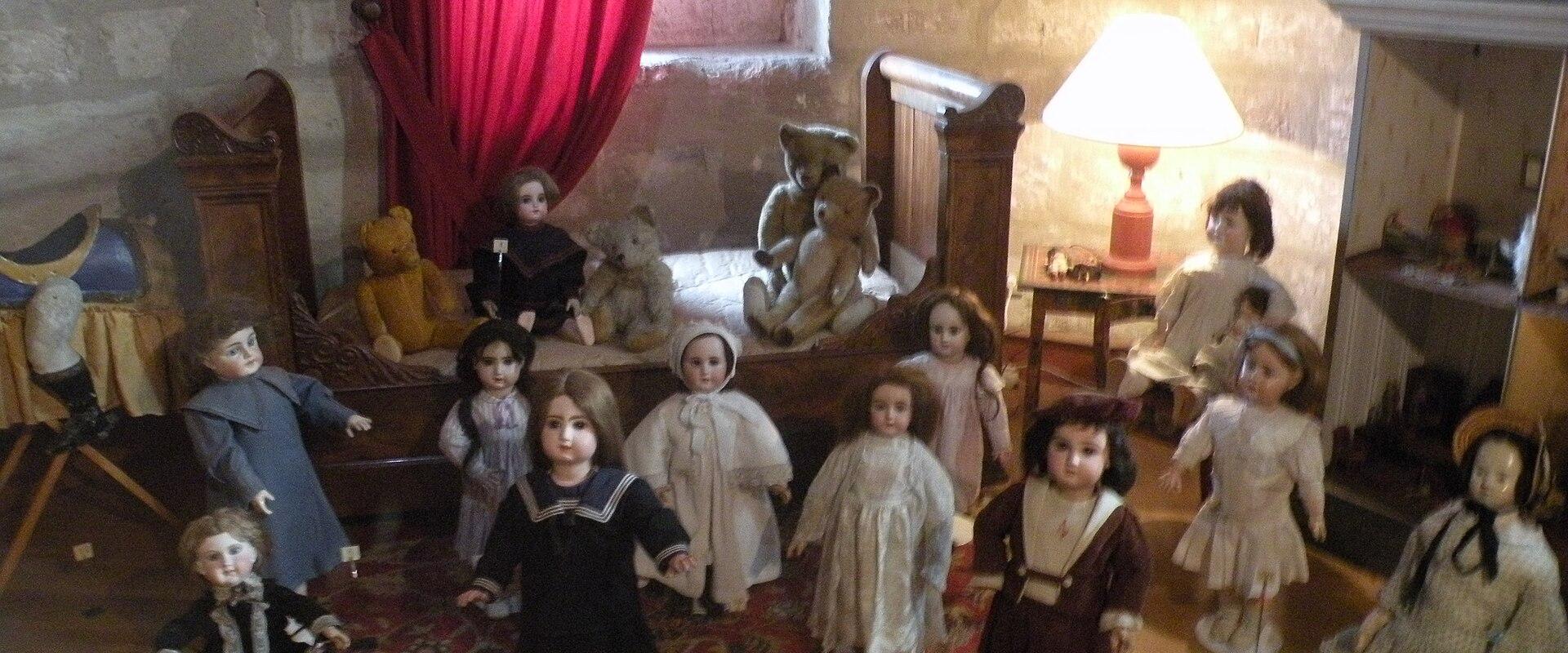
Toy museums have a particular charm, because most visitors find among the exhibits something that belonged to them or their parents, and this one makes the most of that. The museum is housed in a building that was once a cinema, and the reuse of a cinema gives it a layout that is unlike a conventional gallery. The displays are spread over three floors, which follow a clear thread from the earliest toys to the playthings of the present, so you move through a short history of childhood as you climb.
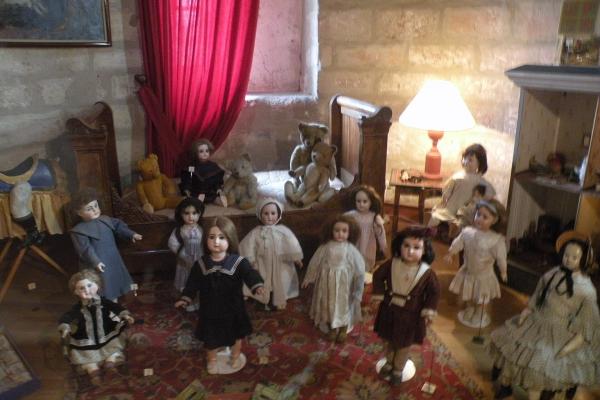
The collection begins with simple objects of the kind that children have always played with, such as wooden animals, spinning tops, rattles and dolls. The nineteenth century brought an industry of toys, with tin toys, clockwork machines, lead soldiers and model trains, and dolls with porcelain heads dressed in fashionable clothes, made in France and Germany. At the start of the twentieth century the teddy bear arrived, and the museum shows a number of old bears, some of them worn and much loved. Another section is devoted to the postwar era, when plastic became the main material for toys. Barbie dolls, first sold in 1959, are on show in their earliest forms, together with other fashion dolls and their accessories. Playmobil, created in Germany in the 1970s, has its own display with scenes made from its small figures, and miniature vehicles, building sets, board games and robots follow. The final rooms deal with video games, from the early consoles of the 1970s and 1980s to later machines, which is a particular pleasure for adults who grew up with them.
The museum is built for families. Children can look at the displays at their own height, and adults can use the explanations to tell stories about the toys they remember. Some parts of the collection are interactive, and temporary exhibitions on specific themes are held in the year. The atmosphere is lively and affectionate rather than academic, and the visit takes about an hour to an hour and a half, depending on how long you spend with each display. Opening times and prices change, so check with the museum or the tourist office before you go, as hours vary with school holidays.
The museum is in Alsace, and it fits well into a day that includes other places in Mulhouse, such as the Cité de l'Automobile, the national automobile museum, which houses one of the largest car collections in the world, the Musée de l'Impression sur Étoffes, the textile printing museum, and the Grand Rue. The Cathédrale Saint-Étienne and the Place de la Comédie are in the centre, and the Jardin Botanique is another green place. The museum suits families with children, toy collectors and anyone looking for a rainy-day visit.
Categories
More photos coming soon
Nearby Attractions
Other places to visit in Colmar
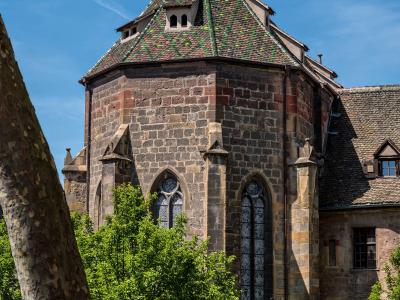
Unterlinden Museum
Former convent housing the Isenheim Altarpiece
From €6 Historic Architecture · Museums & Culture
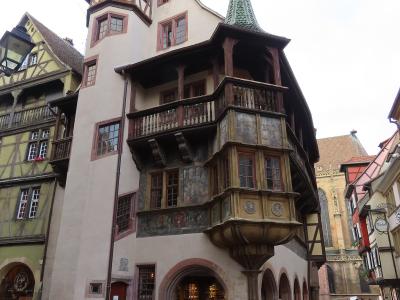
Pfister House
1537 timber-framed house with painted façade
Historic Architecture · Museums & Culture
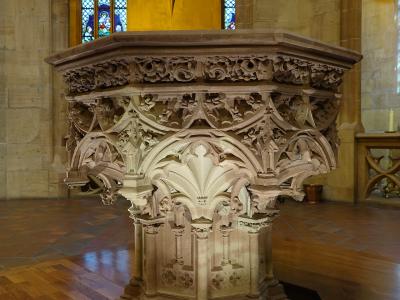
Collégiale Saint-Martin
14th-century Gothic church with stained glass
Free Historic Architecture · Museums & Culture
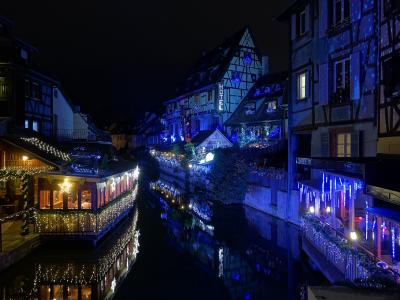
Little Venice (La Petite Venise)
Medieval half-timbered houses along the Lauch river
Historic Towns · Rivers & Lakes
Questions people ask
Quick Facts
Best Time to Visit
Mid-June to mid-September offers warm weather and ideal conditions for outdoor activities and wine tasting.