







- Where
- Orleans, Centre-Val de Loire
- Directions
- Directions
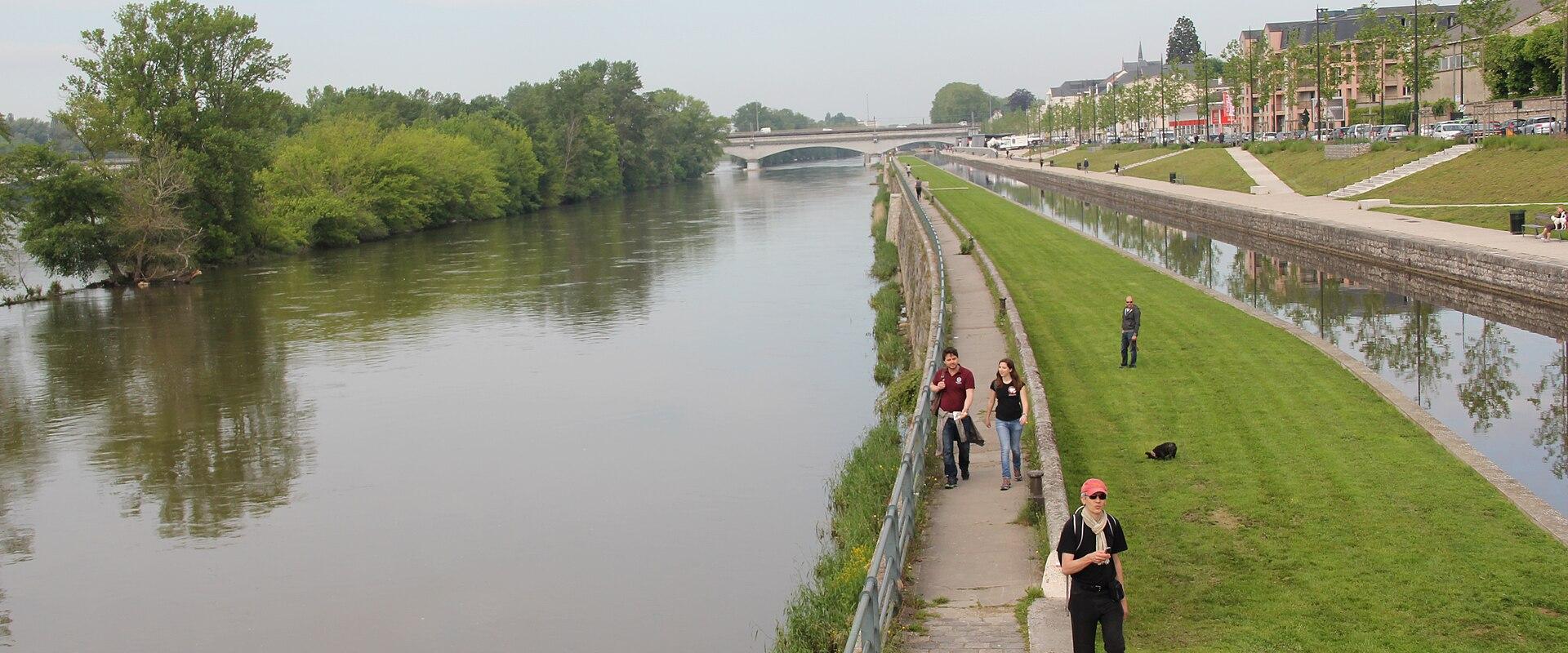
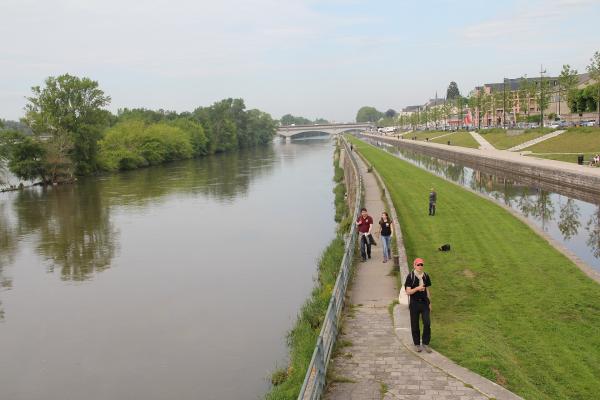
The Loire is the longest river in France, and at Orléans it flows through the middle of the city's story. The quays along its right bank give a long open view across the water, with sandbanks, willows and the arches of the bridges that connect the two sides. The stretch is part of the Val de Loire landscape inscribed on the UNESCO World Heritage list, and Orléans carries the label Ville d'Art et d'Histoire, so the riverside is a good place to feel how the old city and its river have lived together.
The river is bound up with Joan of Arc, who lifted the English siege of Orléans on 8 May 1429. That victory is still celebrated every year in the city, and her statue rides in the Place du Martroi, a short walk from the water. Nearby, the Maison de Jeanne d'Arc recreates the period around the siege, and the Cathédrale Sainte-Croix, a Gothic church whose building stretched across centuries after wars damaged it, rises above the roofs with its twin towers. The Orléans Museum of History and Archaeology, in a Renaissance townhouse, holds the Gallo-Roman bronzes found at Neuvy-en-Sullias, a reminder that the town was already settled in Roman times, when it was called Cenabum.
The quays are a good place for a stroll, a picnic or a slow cycle. The long-distance Loire à Vélo cycle route passes through, so bikes are a common sight, and walkers can follow the water in both directions. Bridges give the best views of the river and the city profile, among them the old stone bridge now named after George V and the modern pedestrian-friendly Pont de l'Europe designed by Santiago Calatrava. Look out too for the historic flat-bottomed boats, because the Loire's trading past is celebrated in the Festival de Loire, which gathers traditional boats in the city every two years.
The river changes through the day and the year. At low water in late summer sandbars appear and herons stand in the shallows, while in winter or spring the current runs high and brown. Evening light on the water is especially pleasant, with cafes along the quays and the cathedral lit up behind.
The riverbanks are free and open to everyone. They suit walkers, cyclists, families and anyone who wants a quiet counterpart to the sights of the old town. For longer trips, the Loire châteaux at Chambord and Cheverny are within reach of the city by car or tour.
Categories
More photos coming soon
Nearby Attractions
Other places to visit in Orleans
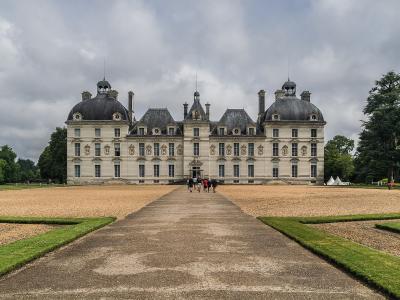
Château de Cheverny
16th-century Loire estate, Tintin model, and family home
From €15.50 Castles · Heritage Trails
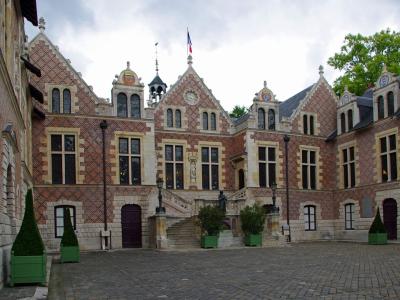
Hôtel Groslot
Renaissance mansion in central Orléans
Free Guided Experiences · Historic Architecture
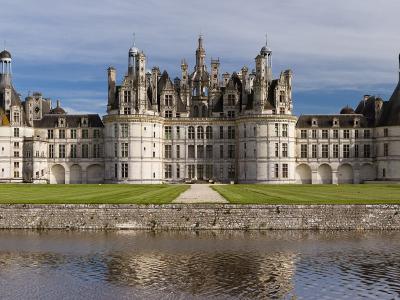
Château de Chambord
Largest Loire Valley castle with 77 staircases
From €21 Castles · Heritage Trails
Questions people ask
Quick Facts
Best Time to Visit
May to June and September to October offer mild weather and fewer crowds for optimal exploration.