







- Admission
- Starts from USD 15.94
- Hours
- Daily 10:00 AM–6:00 PM (Closed Tuesdays, May 1, Dec 25, Jan 1)
- Where
- Paris, Île-de-France
- Directions
- Directions
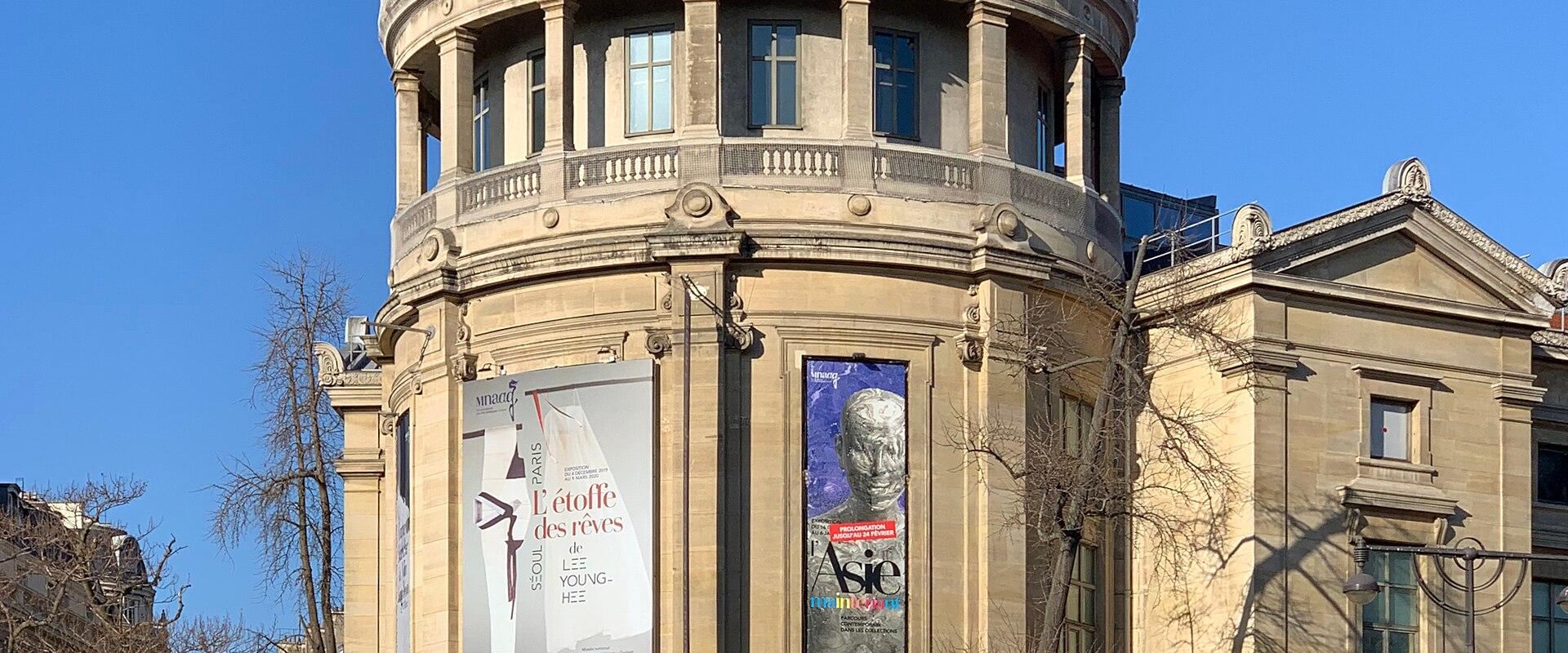
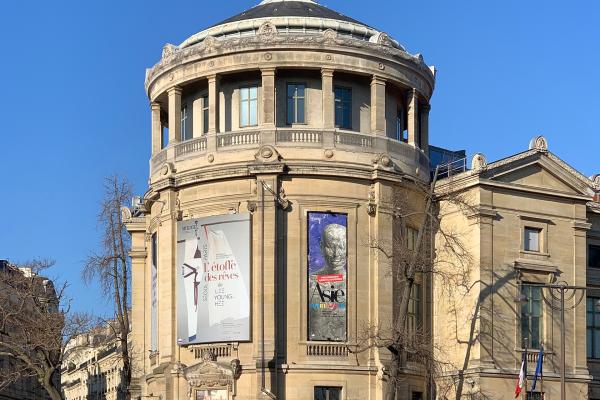
The Musée Guimet is the national museum of Asian arts in France, on the Place d'Iéna in the sixteenth arrondissement of Paris, and its collections are among the richest in the world outside Asia. The museum owes its origin to Émile Guimet, an industrialist from Lyon who made a fortune in chemical dyes and who travelled in Japan, China and India in the 1870s, collecting religious objects and works of art. He founded a museum of religions in Lyon in 1879, and in 1889 moved it to Paris, into a building constructed for the purpose, and it later passed to the state. A branch, the Maison Guimet, remains in Lyon.
The museum covers the arts of the whole of Asia in a series of galleries, arranged by region, and the sheer range is impressive. It holds one of the largest collections of Khmer art outside Cambodia, with sculptures and architectural fragments from the temples of Angkor, among them serene heads of Buddha and figures of Hindu gods, and also a notable collection of Indian sculpture, from the early Buddhist stupas to the temple art of the south. Chinese art is represented by ancient bronze vessels, jade, ceramics, paintings and Buddhist sculpture, and the Japanese galleries present armour, lacquerware, screens, Buddhist statues and woodblock prints, including works by Hokusai. Other galleries cover Korea, the Himalayas, Central Asia, with its Silk Road finds, and South-East Asia, so that a walk through the museum is a journey across the continent. The museum is well organised by themes, with notes explaining the religious background of the objects, and many of the works are objects of devotion, which gives the visit a contemplative quality.
The museum also runs temporary exhibitions that explore particular cultures or periods, and these change several times a year, so check the programme. An annex, the Panthéon bouddhique, displays Buddhist art from Japan and China in a mansion near the main museum, with a small Japanese garden. The Musée d'Ennery, which holds a collection of Japanese and Chinese objects in a former house, belongs to the museum but has been closed to the general public.
The museum is open every day except Tuesday, with the last entry at the end of the afternoon, and it is closed on certain holidays. There are limits on the size of bags, and security checks. The Iéna metro station is not accessible for visitors with reduced mobility, but buses serve the area. Allow two to four hours.
The museum suits lovers of Asian art, students of religions and anyone who enjoys quiet galleries.
Categories
More photos coming soon
Hours & Fees
- Open
- Daily 10:00 AM–6:00 PM (Closed Tuesdays, May 1, Dec 25, Jan 1)
- Admission
- Starts from USD 15.94
Hours and prices change, especially out of season. Check with the venue before you go.
Nearby Attractions
Other places to visit in Paris
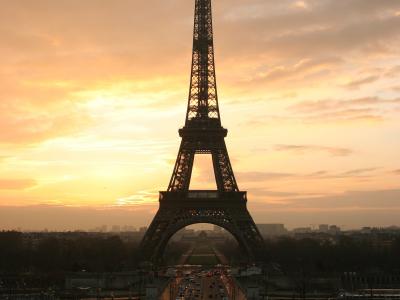
Eiffel Tower
324m iron lattice tower built for 1889 World's Fair
From €3.80 Historic Architecture · Towers
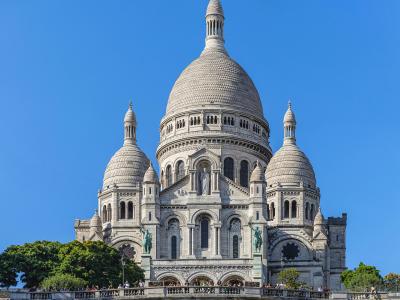
Montmartre and Sacré-Cœur
White basilica atop Montmartre hill
Free Guided Experiences · Historic Architecture
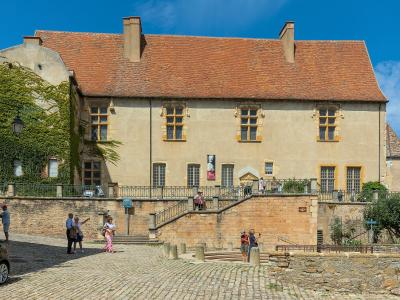
Cluny Museum (Musée de Cluny)
Medieval abbey and museum in Burgundy
From €8 Historic Architecture · Museums & Culture
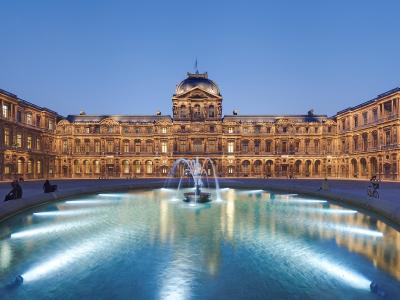
The Louvre Museum
World's largest art museum in historic Paris palace
From €22 Guided Experiences · Historic Architecture
Questions people ask
Quick Facts
Best Time to Visit
April to June and September to October offer mild weather and fewer crowds for optimal exploration.