







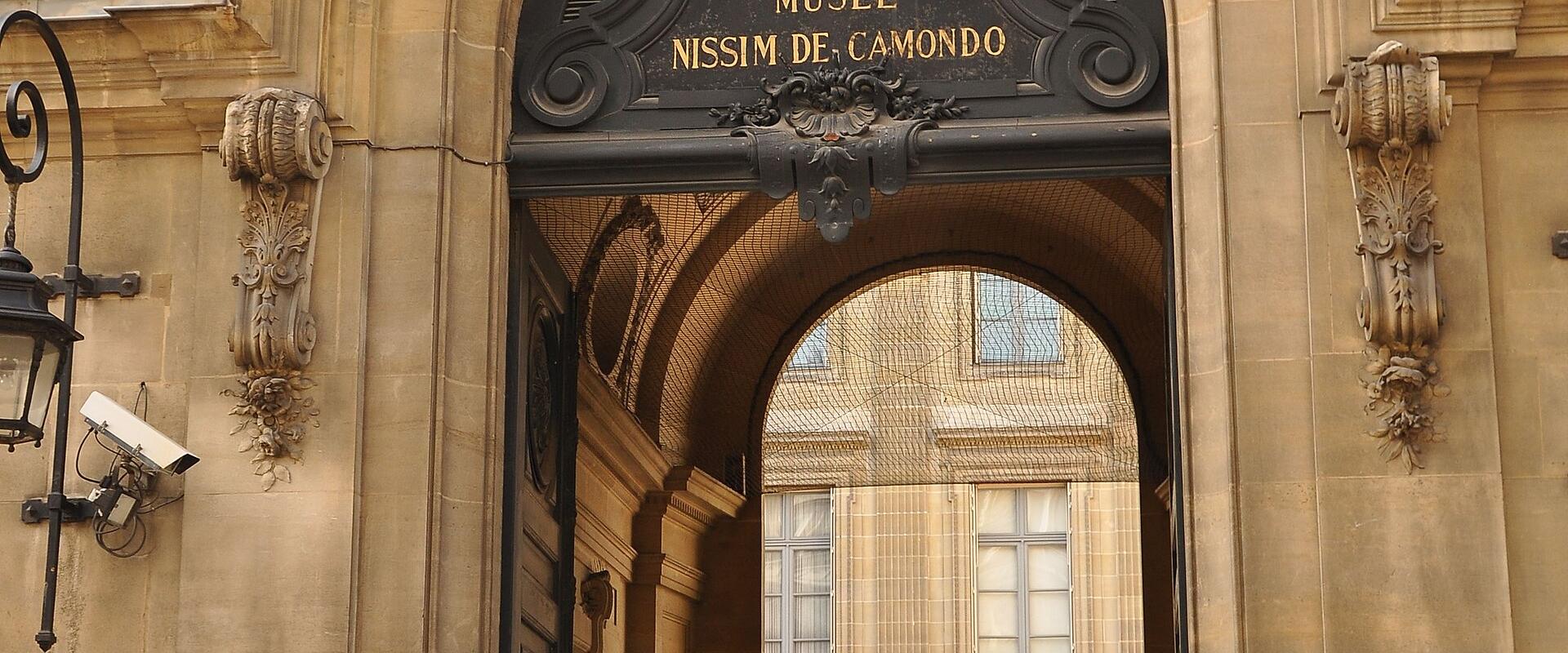
Musée Nissim de Camondo
18th-century French art in a 1911 Versailles-style mansion
- Hours
- Closed for renovations since August 4, 2024; scheduled to reopen in 2030
- Where
- Paris, Île-de-France
- Directions
- Directions
The Musée Nissim de Camondo is a house museum on the edge of the Parc Monceau, in the eighth arrondissement of Paris, and one of the most poignant places to see the French eighteenth century. The house, at 63 Rue de Monceau, was built between 1911 and 1914 by the architect René Sergent for Count Moïse de Camondo, a banker and collector from a family of Sephardic Jewish origin who had made their fortune in Constantinople and then in Paris. Sergent took the Petit Trianon at Versailles as his model, and the facade, with its pale stone and classical proportions, looks like a small palace from the age of Louis XVI, although the building has the modern conveniences of its date, including a lift and a well-equipped kitchen.
Camondo built the house to hold his collection of eighteenth-century French decorative arts, which he had been gathering for years. The rooms were designed to show off the pieces, with panelling, mirrors and parquet floors, some of them taken from period buildings, and they are laid out like a rich family's home of the time. The visit leads through the Grand Salon, the Blue Salon, the study and the dining room, and each room is furnished with works of the highest quality, furniture by the great cabinetmakers Jean-François Oeben and Jean-Henri Riesener, who worked for Louis XV and Louis XVI, tapestries from Aubusson and Beauvais, porcelain from Sèvres and portraits by Élisabeth Vigée Le Brun. Every piece is original, and the effect is of a house that has been preserved intact.
The museum is named after Camondo's son, Nissim, a pilot who was killed in aerial combat in 1917, during the First World War. His father, shattered by the loss, left the house and its collections to the Union centrale des arts décoratifs on his death in 1935, as a memorial to his son, and the museum opened in 1936. The story has a further tragedy. Camondo's daughter, Béatrice, and her two children, Fanny and Bertrand, were arrested and deported during the Second World War, and they were murdered at Auschwitz, so that the family line came to an end. The museum records this history, which gives the visit a deep emotional weight.
The museum has been closed for a long renovation, with a reopening planned for later in the decade, so check its status before planning a visit. The restaurant and library have remained accessible. The Parc Monceau, beside the house, is a beautiful park for a walk.
When open, the museum suits lovers of decorative arts, those interested in the history of the collectors of Paris and anyone who wants a quiet and intimate visit.
Categories
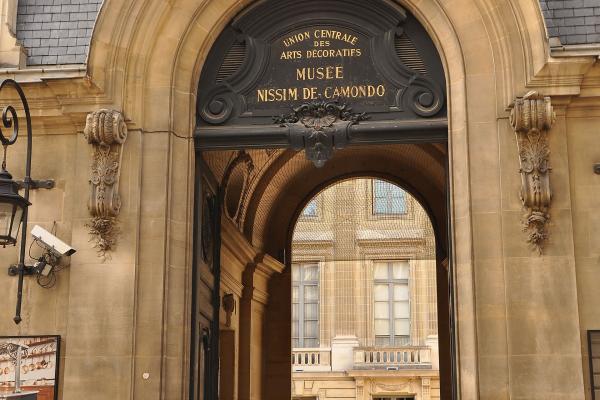
More photos coming soon
Opening Hours
- Open
- Closed for renovations since August 4, 2024; scheduled to reopen in 2030
Hours and prices change, especially out of season. Check with the venue before you go.
Nearby Attractions
Other places to visit in Paris
Eiffel Tower
324m iron lattice tower built for 1889 World's Fair
From €3.80 Historic Architecture · Towers
Montmartre and Sacré-Cœur
White basilica atop Montmartre hill
Free Guided Experiences · Historic Architecture
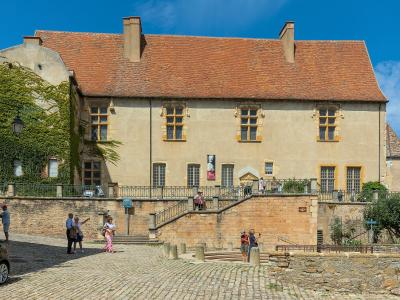
Cluny Museum (Musée de Cluny)
Medieval abbey and museum in Burgundy
From €8 Historic Architecture · Museums & Culture
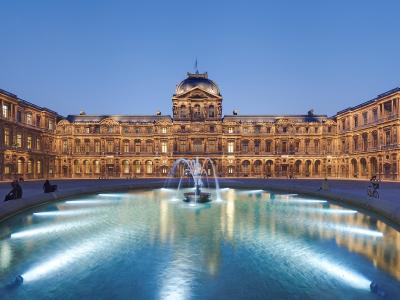
The Louvre Museum
World's largest art museum in historic Paris palace
From €22 Guided Experiences · Historic Architecture
Questions people ask
Quick Facts
Best Time to Visit
April to June and September to October offer mild weather and fewer crowds for optimal exploration.