







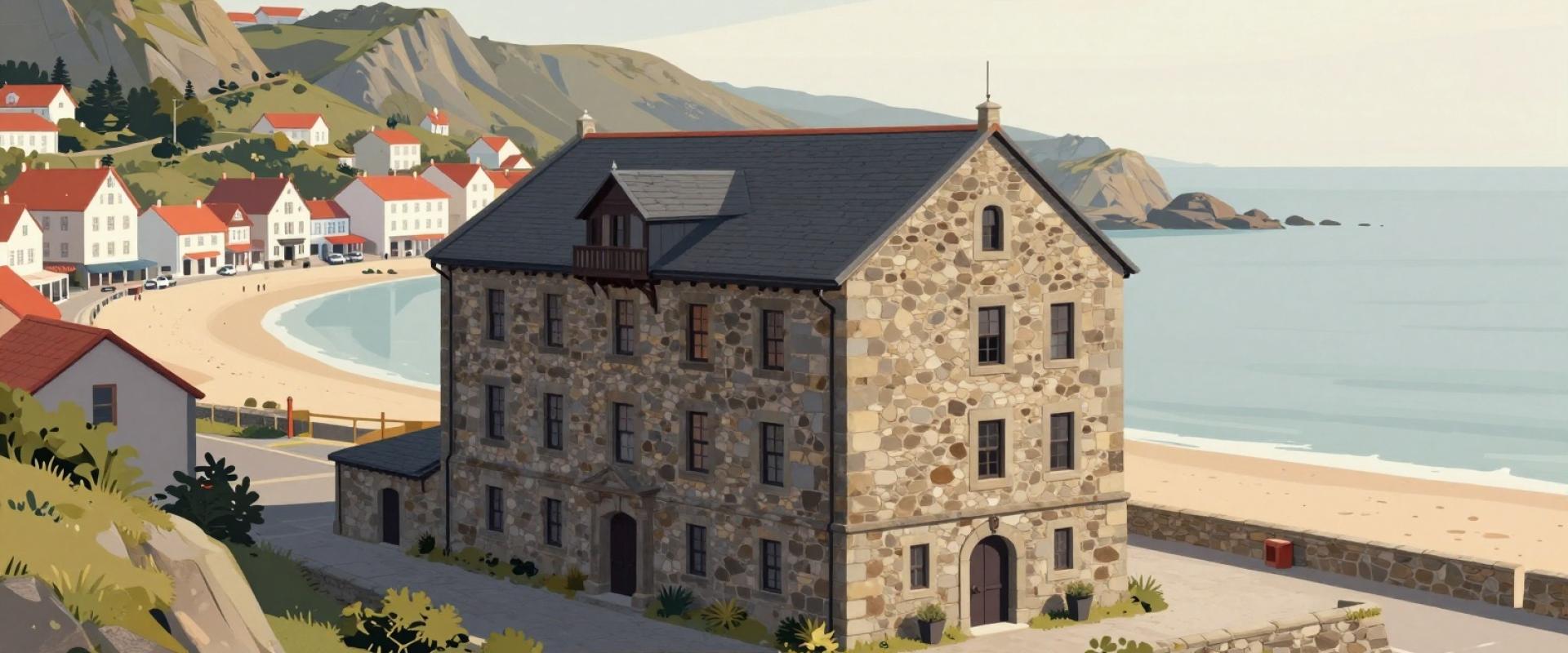
Musée Basque et de l'Histoire de Biarritz
Biarritz history museum in St Andrews Church
- Admission
- No specific prices listed
- Check official website
- Hours
- Tuesday through Sunday, 10:00 AM to 6:00 PM (Thursday until 8:00 PM). Closed on other days...
- Where
- Biarritz, Aquitaine
- Directions
- Directions
Biarritz grew from a small Basque whaling and fishing village into one of Europe's most fashionable seaside resorts, and the town's museum of history tells that story in the setting of the former Anglican church of Saint Andrew, a reminder of the British visitors who came here in the nineteenth century. It sits a short walk from the Grande Plage and the Rocher de la Vierge, in the middle of the resort quarter, and it gives useful background for anyone who has just arrived at the beach.
The story begins with the Basque Country itself. Biarritz belongs to Labourd, one of the seven historic Basque provinces, and the coastal communities here lived from fishing, coastal trade and, in earlier centuries, whaling in the Bay of Biscay. The Basque language, Euskara, is unrelated to French or Spanish and is still heard in the villages around the town, and traditional elements such as pelota, the ball game played on court walls, and the Basque beret and sash continue to mark local identity. The museum places these traditions within the history of the area and shows how the sea shaped the local economy.
The resort era follows. In the 1840s the empress Eugénie, wife of Napoleon III, began to spend her summers in Biarritz, and the imperial court gave the town a royal seal of approval. Hotels, villas and casinos rose along the coast, and European aristocrats followed, including Queen Victoria and Edward VII on later visits. Sea bathing, which was once thought to cure illness, became a fashionable pastime, and the museum explains how the bathing cabins, the promenades and the grand hotels came to define the resort. Victor Hugo visited in 1843 and admired the place, long before the crowds arrived.
Surfing is the latest chapter. In the late 1950s the American screenwriter Peter Viertel introduced surfing to Biarritz, and the town became the cradle of the sport in Europe. Today surf schools and competitions bring thousands of visitors each year, and the museum helps put this in a longer perspective.
It is a modest museum, and a visit of about an hour is enough. Opening times change with the season, so check them before you go, and ask whether there is an audioguide. The museum suits visitors who like to understand a place before they explore, families on a wet day and anyone interested in the history of seaside resorts. From here it is a short walk to the Côte des Basques, the Phare de Biarritz and the Château de Biarritz, and the Église Saint-Esprit is also close by.
Categories
More photos coming soon
Hours & Fees
- Open
- Tuesday through Sunday, 10:00 AM to 6:00 PM (Thursday until 8:00 PM). Closed on other days.
- Admission
- No specific prices listed; check official website.
Hours and prices change, especially out of season. Check with the venue before you go.
Nearby Attractions
Other places to visit in Biarritz
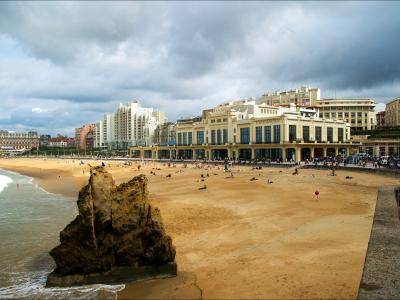
La Grande Plage
Historic beach facing the Empire-style Hôtel du Palais
Free Beaches · Coastal Promenades
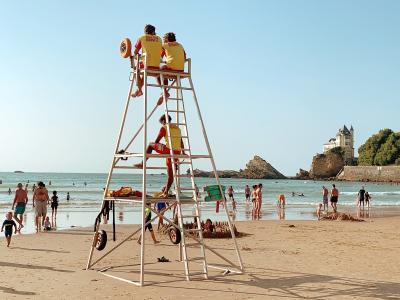
Côte des Basques
Historic Basque surfing beach in Biarritz
Coastal & Maritime · Beaches
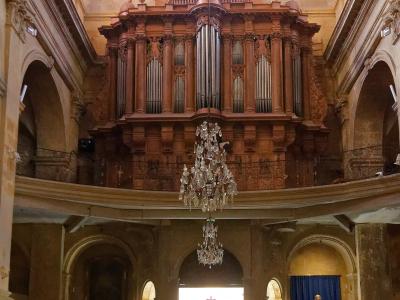
Église Saint-Esprit
Modernist church in Biarritz
Historic Architecture
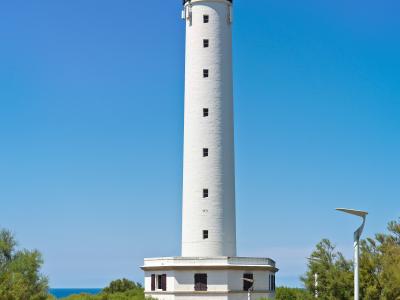
Phare de Biarritz
47m white lighthouse atop Cape Saint-Martin
Cliffs · Heritage Trails
Questions people ask
Quick Facts
Best Time to Visit
May to June and September to October offer mild weather and fewer crowds for optimal exploration.