

Musée de la Préhistoire
Prehistoric museum in 17th-century convent
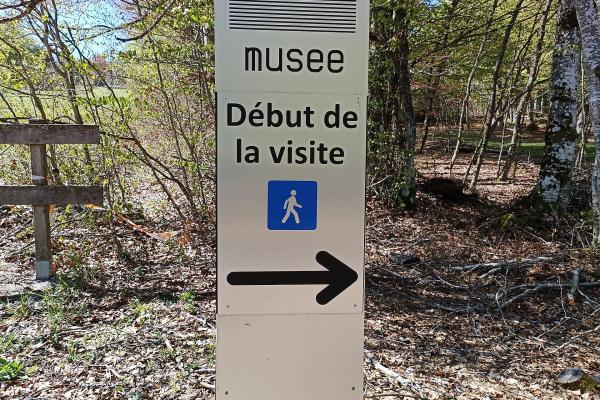
The Musée de la Préhistoire is located in the Parc Naturel Régional du Vercors, near Grenoble, rather than in the city center itself. Situated on an abandoned flint-working site dating back 4,500 years, the museum offers visitors a unique opportunity to explore human evolution and adaptation in the region. The setting provides a direct connection to the prehistoric activities that once took place on the land, offering an immersive educational experience.
The museum focuses on the history of early humans, their tools, and their interaction with the environment. Exhibits highlight the technological advancements of prehistoric societies and their impact on the landscape. This context allows visitors to understand the deep historical roots of the Vercors region.
Opening hours vary by season. From April to June, the museum is open daily from 10:00 AM to 12:30 PM and 2:00 PM to 6:00 PM. During the peak summer months of July and August, it remains open daily from 10:00 AM to 6:00 PM. In September and October, access is limited to weekends, with hours from 10:00 AM to 12:30 PM and 2:00 PM to 5:00 PM. The museum is closed during the end of All Saints' Day to Christmas holidays, as well as on December 25th and January 1st.
For group visits, reservations are required year-round. Individual visitors should check the current schedule, as hours may change. The museum is a valuable resource for those interested in archaeology and natural history, providing a quiet and reflective environment away from the busy city. It is recommended to contact the museum directly at 04 75 48 27 81 for any specific holiday closures or inquiries.
Categories
More photos coming soon
Hours & Fees
Hours
April: Daily 10:00–12:30 and 14:00–17:00; May & June: Daily 10:00–12:30 and 14:00–18:00; July & Aug:
Admission
Free entry
Nearby Attractions
Other places to visit in Grenoble
Frequently Asked Questions
Quick Facts
Best Time to Visit
May to September for hiking and sightseeing; December to March for winter sports.