







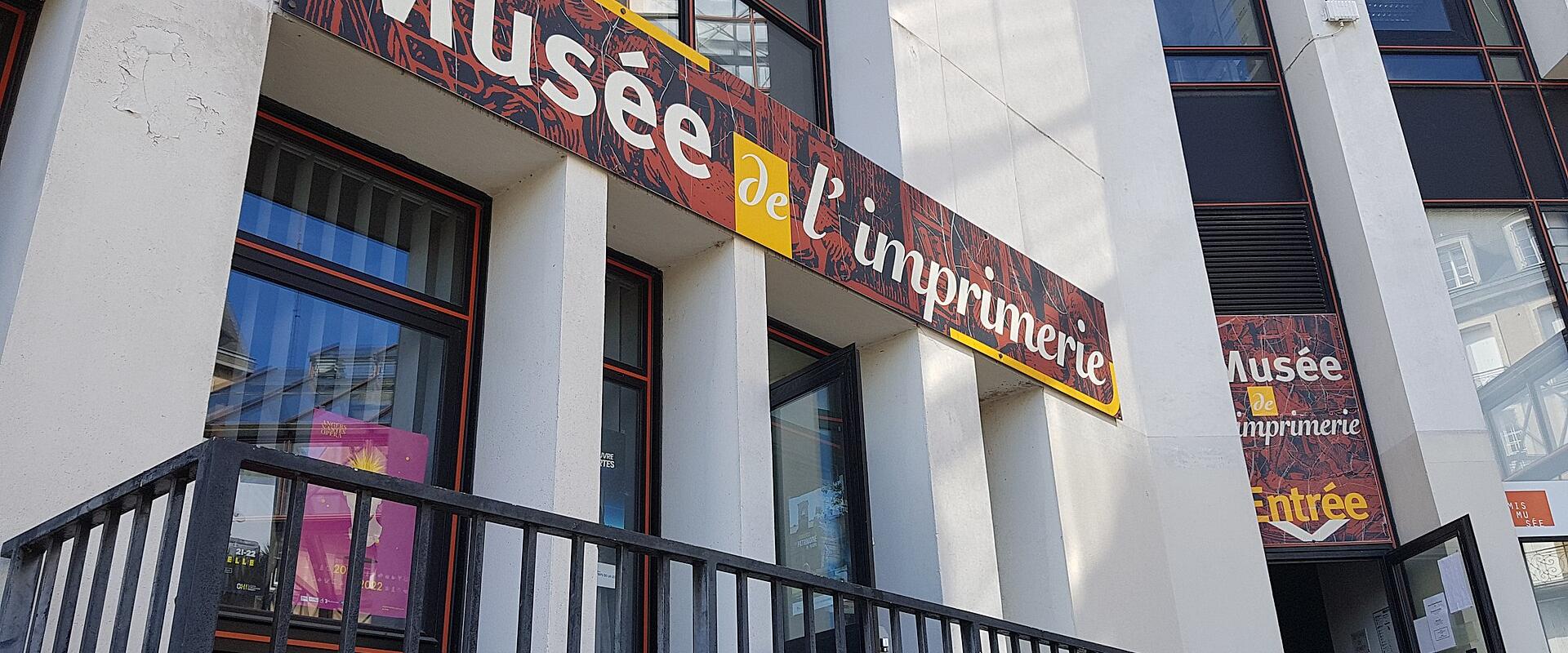
- Admission
- Permanent collections are free
- Hours
- Open daily except Tuesday, 10:00 am to 6:30 pm. Closed on January 1, May 1, and December 2...
- Where
- Grenoble, Rhône-Alpes
- Directions
- Directions
A museum of printing is a place where the technology that shaped modern life can be seen at work, and the visit is a good way of understanding how the written word was multiplied and spread. Few details of this Grenoble museum's collection are documented, so what follows is a guide to what a printing museum shows and how to plan a visit; check the specific displays on the day. It is open every day except Tuesday, in the daytime, and it is closed on a few public holidays; entry to the permanent displays is generally free, while temporary exhibitions may be charged.
Printing with movable metal type was developed in Europe in the middle of the fifteenth century, in Mainz in Germany, by Johannes Gutenberg, who combined a press adapted from the wine press with an alloy for casting letters and an oil-based ink. Before that, books were copied by hand in monasteries and workshops, or printed from carved wooden blocks. The new technique spread rapidly, and within fifty years hundreds of presses were working across Europe, producing books that changed religion, science and politics. Lyon, not far from Grenoble, became one of the great centres of the early French book trade.
A printing museum usually follows this story through its tools. Visitors see the type cases, with the letters sorted into compartments, the composing stick on which the compositor assembled lines of type, and the heavy hand presses that were used for centuries. They show how a page was set, inked and pressed, with the mirror image of the text read backward, which is something that surprises many visitors. Later displays cover the nineteenth-century inventions that sped up the work, among them lithography, which used a flat stone and a greasy ink and allowed images to be reproduced cheaply, the steam-driven cylinder press, and the Linotype machine, which cast whole lines of type from a keyboard. The twentieth century brought offset printing and then digital methods, and the story ends with the screen.
The museum is also about design. Typefaces, posters, book illustrations and engravings show how the look of the printed page has changed, and a good display explains the difference between serif and sans-serif letters or the history of famous typefaces. Many printing museums hold demonstrations in which a printer sets and prints a sheet in front of visitors, and that is worth asking about.
The visit takes about one to two hours. In Grenoble, it can be combined with a walk through the old streets, with the Musée de Grenoble, the Musée archéologique Saint-Laurent, and the cable car to the Bastille. The Quartier Saint-Laurent and the Place Grenette are close to the centre, and the Place Saint-André, with its cafés, makes a good stop. The museum suits designers, students, book lovers and the curious.
Categories
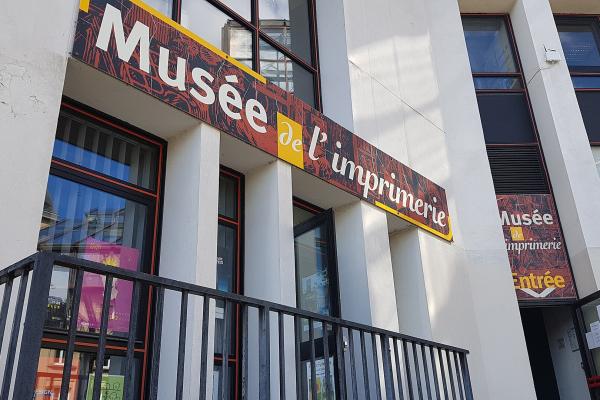
More photos coming soon
Hours & Fees
- Open
- Open daily except Tuesday, 10:00 am to 6:30 pm. Closed on January 1, May 1, and December 25.
- Admission
- Permanent collections are free
Hours and prices change, especially out of season. Check with the venue before you go.
Nearby Attractions
Other places to visit in Grenoble
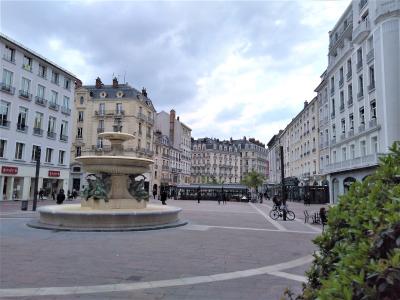
Place Grenette
Grenoble's historic market square with a 1825 fountain
Free City Centers · Heritage Trails
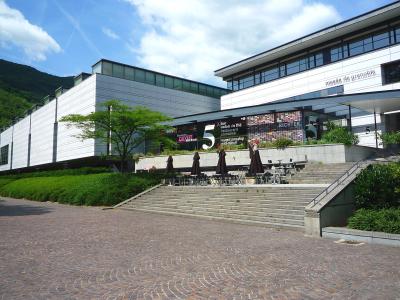
Musée de Grenoble
Major museum of Western painting from 13th to 20th century
Museums & Culture · Art Museums
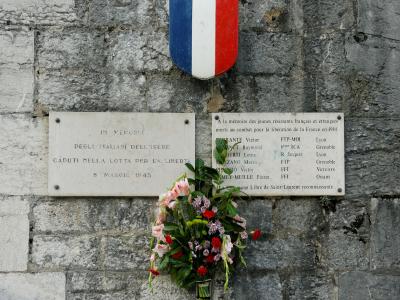
Le Quartier Saint-Laurent
Archaeological museum with 6th-century crypt
Free Churches · Heritage Trails
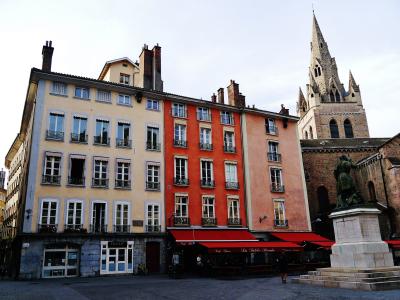
Place Saint-André
Historic square with Bayard statue and 1739 café
Free Churches · City Centers
Questions people ask
Quick Facts
Best Time to Visit
May to September for hiking and sightseeing; December to March for winter sports.