







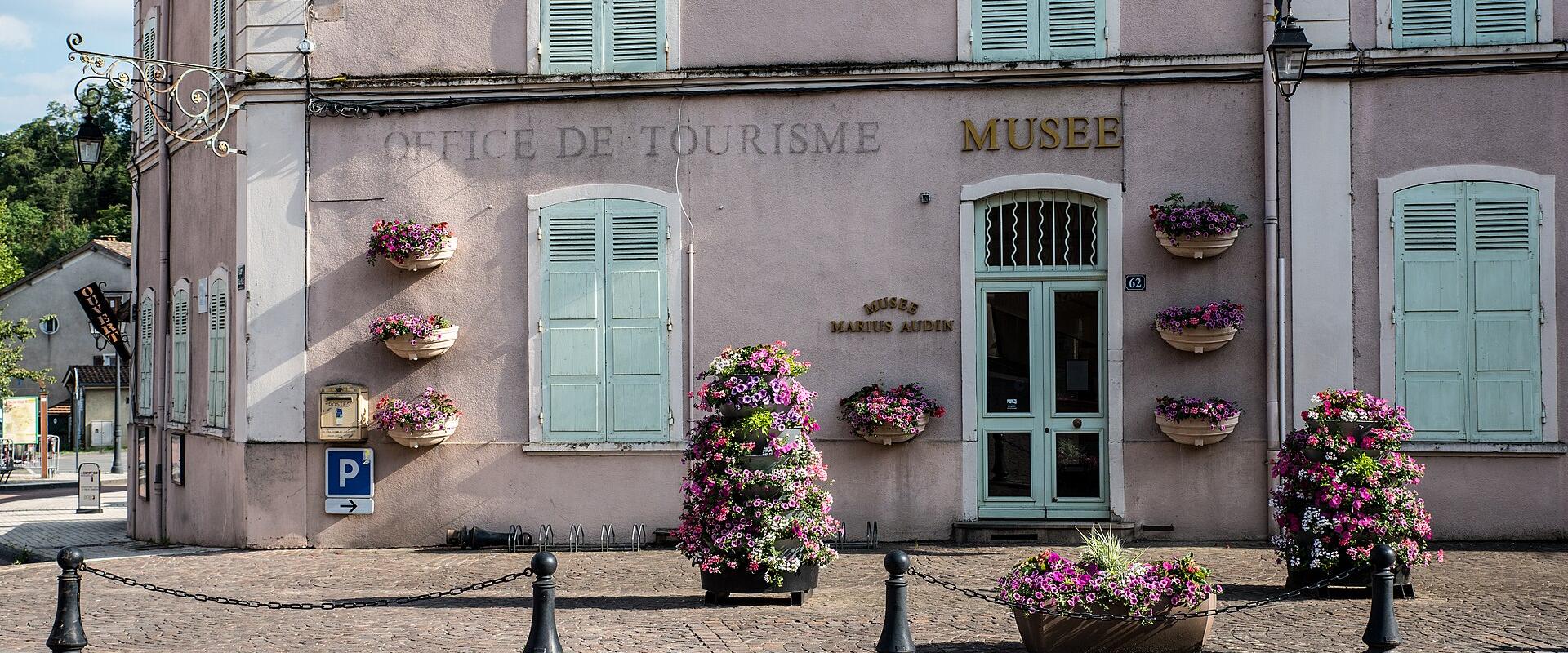
Musée des Arts et Traditions Populaires
Rural life and peasant crafts in Limogne-en-Quercy
- Admission
- Free
- Where
- Cahors, Midi-Pyrénées
- Directions
- Directions
The Musée des Arts et Traditions Populaires is a small museum of rural life in Limogne-en-Quercy. Limogne lies on the limestone plateau known as the Causse de Limogne, to the east of Cahors in the Lot department, and the museum belongs to the world of the causses: dry, stony upland country divided by low walls, with scattered oak woods and small farms.
Museums of arts and traditions populaires collect the ordinary objects of the countryside before they vanish. Typical rooms show farm tools, tools of the carpenter and wheelwright, household furniture, kitchenware, a fireplace and a farm table, and sometimes costumes and documents. The idea is to show how families lived, worked and ate a century or two ago. In the Quercy, that meant sheep on poor soil, small plots of cereals, walnut and truffle oak, and a way of life that depended on what could be made and mended at home. Seen in that light, even simple items such as a bread chest or a threshing tool carry a story.
The landscape around Limogne offers its own lessons. Dry-stone walls and small stone shelters known locally as gariottes dot the plateau, built by farmers from the limestone they cleared from their fields, and they make a good walk. Truffles are gathered in the oak woods, and the Quercy region has a strong tradition of local food, including walnuts, lamb, goose and the black wine of Cahors, made mainly from Malbec grapes in the valley below.
Cahors itself, a short drive west, adds more. The Pont Valentré, a fortified medieval bridge with three towers across the Lot, is one of the best-known bridges in France. The Quartier des Pêcheurs and the Musée du Vin tell of the river and the vineyards.
The museum is best treated as a short stop on a day in the Lot, combined with a drive across the causse or a walk among the stone walls. Opening times for small museums like this are often limited and seasonal, so ask at the local tourist office before you set out. It suits families, curious travellers and anyone who likes to see how ordinary people lived.
Categories
More photos coming soon
Admission Fees
- Admission
- Free
Hours and prices change, especially out of season. Check with the venue before you go.
Nearby Attractions
Other places to visit in Cahors
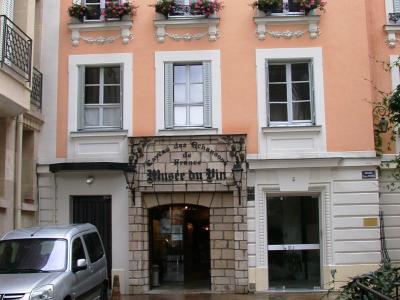
Musée du Vin
15th-century vaulted cellars in Cahors
Food & Wine · Museums & Culture
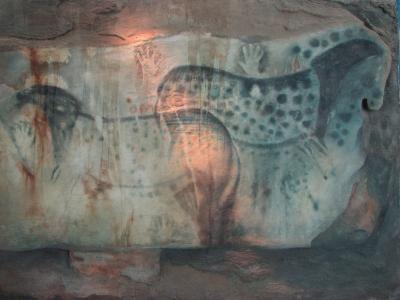
Grotte de Pech Merle
Prehistoric painted cave near Cabrerets in the Lot
Geological Sites · Guided Tours
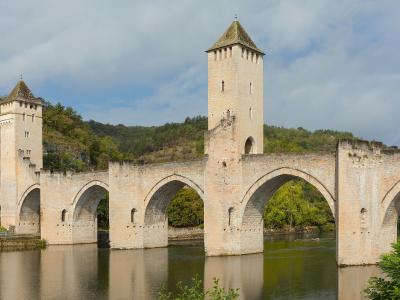
Pont Valentré
14th-century fortified bridge over the Lot
Bridges · Historic Towns
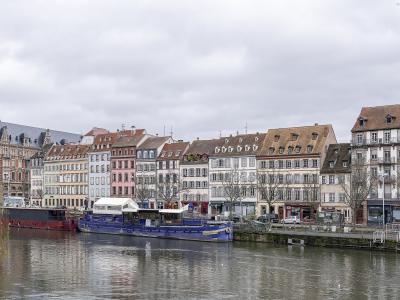
Quartier des Pêcheurs
Historic riverside quarter in Cahors
Historic Architecture · Urban Exploration
Questions people ask
Quick Facts
Best Time to Visit
Early July to mid-August offers warm weather and ideal conditions for outdoor activities and sightseeing.