







- Hours
- Open from 21 p.m.
- Where
- Cahors, Midi-Pyrénées
- Directions
- Directions
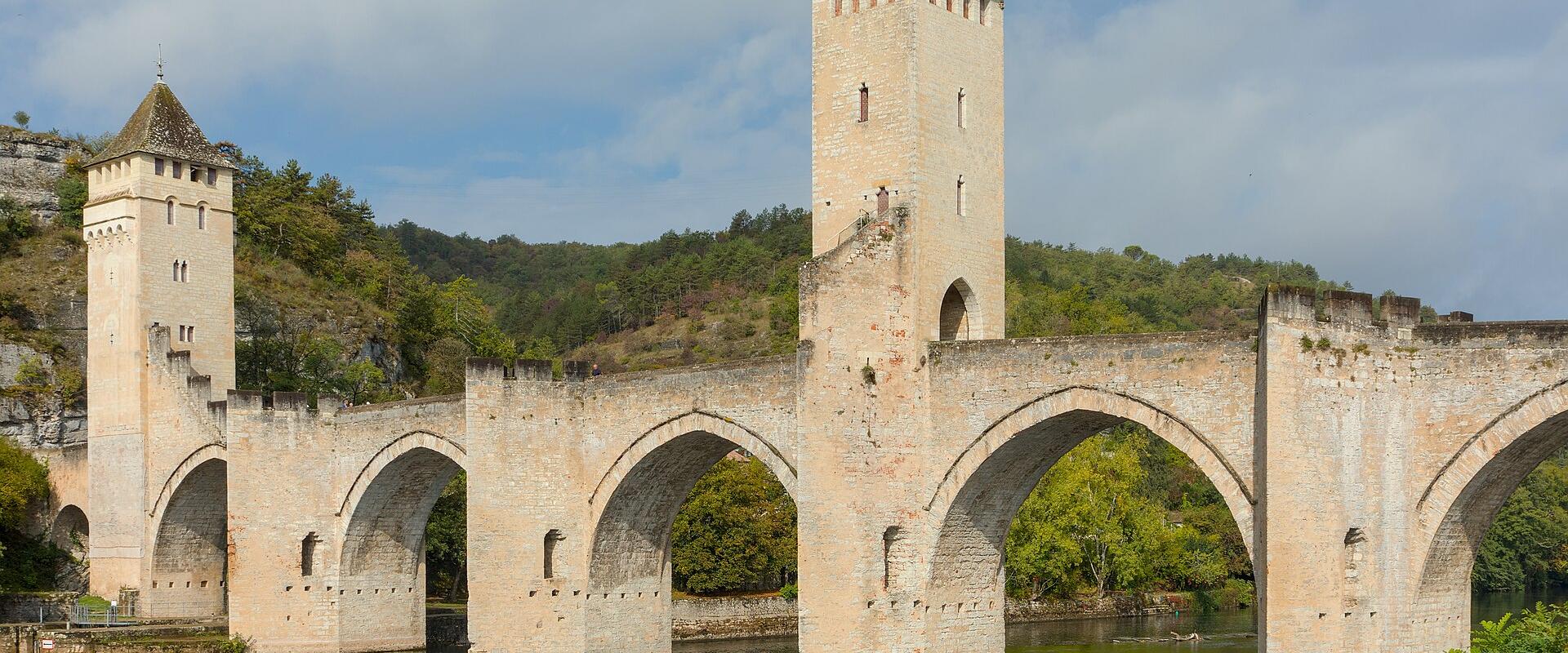
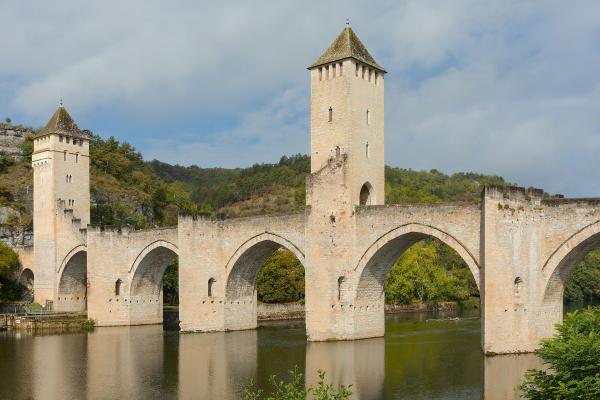
The Pont Valentré is the best-known monument of Cahors, a fortified medieval bridge that crosses the Lot on the western side of the town, and it is one of the finest surviving examples of its kind in Europe. It is about 138 metres long, with six pointed arches of pale stone, and it is crowned by three tall defensive towers that rise from the piers, each with battlements and a slender profile that makes the bridge look more like a fortress on the water. Seen from the bank at the edge of the town, especially in the evening light, with its reflection in the green river, it is one of the great images of south-west France.
Construction began in 1308, during the period when Cahors was a prosperous banking and trading town, and went on for about seventy years, with the work completed in 1378. The bridge was built as part of the defences of the town, and each tower could be closed with gates and portcullises, so that attackers had to fight their way across a narrow causeway under fire. Cahors sits in a tight loop of the Lot, which protects it on three sides, and the bridge guarded the only approach from the west. The Hundred Years War, which saw English and French armies fighting in this region, shows why such strong defences were needed.
The bridge is known as the Devil's Bridge, because of a legend about its construction. According to the story, the master builder, despairing of ever finishing the bridge, made a pact with the devil, who agreed to help in return for the builder's soul. The devil carried out every task the builder asked of him, until the last, when the builder, trying to cheat him, asked him to fetch water in a sieve. The devil failed and was furious, and he is said to have taken revenge by loosening the top stone of the central tower, which workers had to replace again and again. In the nineteenth century, when the bridge was restored, the architect added a carved figure of the devil clinging to the tower, a sculpture that visitors can still spot. The work of restoration, carried out in the 1870s, gave the bridge much of its present look.
The bridge is part of the group of monuments on the pilgrim routes to Santiago de Compostela that UNESCO has listed, and walkers on the way still cross it. It can be crossed on foot, and the views from the middle are excellent, particularly at dusk when it is floodlit. The walk to the far bank gives the best view of the whole structure.
Cahors has other attractions nearby, including the Quartier des Pêcheurs, the Musée du Vin and the Parc des Expositions et de la Gare, and the town is the home of the dark red wine made from Malbec grapes. A visit takes half an hour.
It suits history lovers, walkers and photographers.
Categories
More photos coming soon
Opening Hours
- Open
- Open from 21 p.m.
Hours and prices change, especially out of season. Check with the venue before you go.
Nearby Attractions
Other places to visit in Cahors
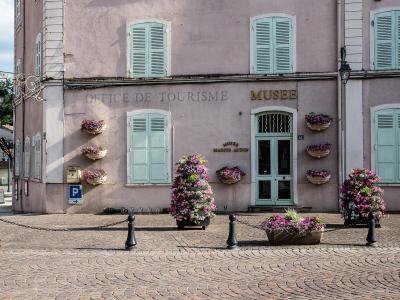
Musée des Arts et Traditions Populaires
Rural life and peasant crafts in Limogne-en-Quercy
Free Museums & Culture
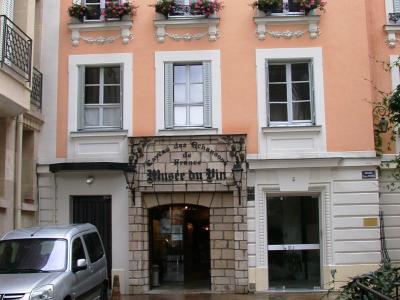
Musée du Vin
15th-century vaulted cellars in Cahors
Food & Wine · Museums & Culture
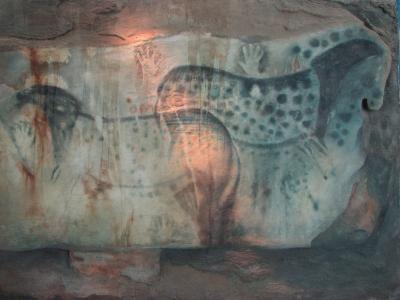
Grotte de Pech Merle
Prehistoric painted cave near Cabrerets in the Lot
Geological Sites · Guided Tours
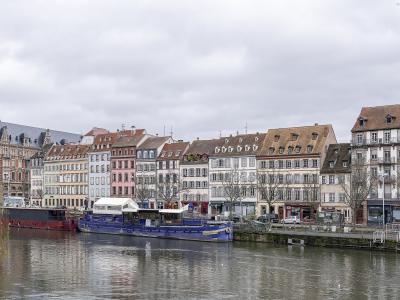
Quartier des Pêcheurs
Historic riverside quarter in Cahors
Historic Architecture · Urban Exploration
Questions people ask
Quick Facts
Best Time to Visit
Early July to mid-August offers warm weather and ideal conditions for outdoor activities and sightseeing.