





Cahors
Medieval town on a Lot River loop with Valentré Bridge
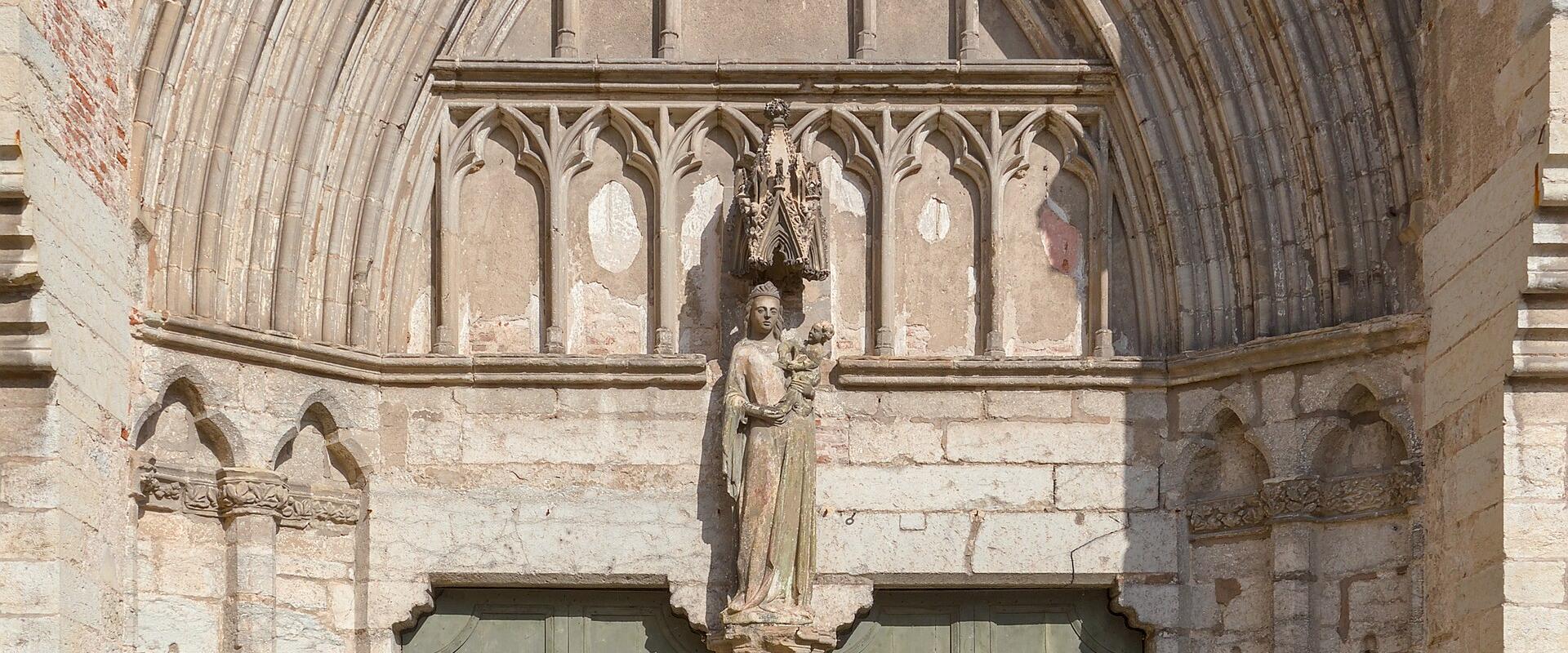
Cahors, situated in the Lot department of southwestern France, is a town with a profound historical and geographical identity. Historically, it was a significant episcopal see and a key stop on the Way of St. James to Santiago de Compostela. The town's strategic location on the Lot River made it a center for trade, particularly in wine, which has been produced in the region since Roman times. The medieval period saw the construction of many of the town's defining structures, including the fortified bridges and the cathedral. The French Revolution and subsequent industrialization brought changes, but Cahors retained much of its historic character. The town's layout is defined by the river loop, with the old town perched on the limestone plateau, offering panoramic views of the valley. The local economy has traditionally been based on agriculture and wine production, with Cahors AOC wines gaining international recognition.
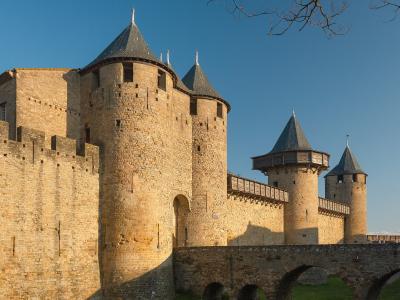
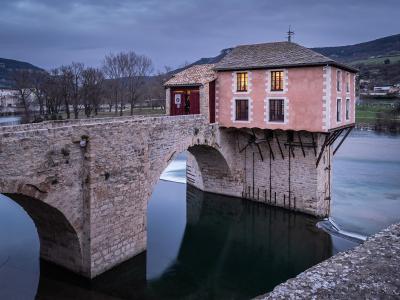
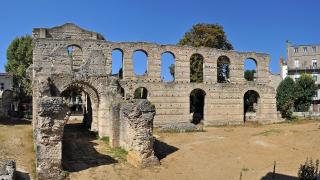
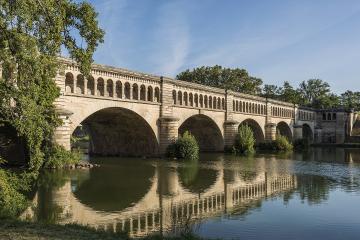
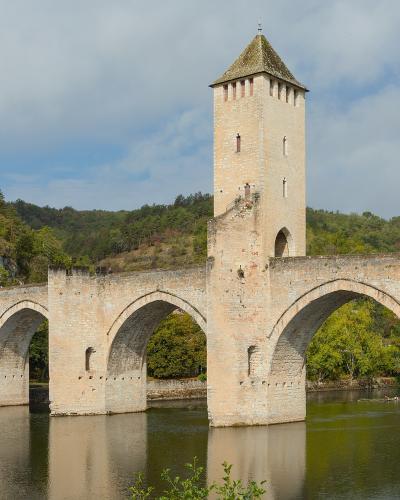
The main attractions in Cahors reflect its medieval and religious heritage. The Pont Valentré is the most iconic landmark, a 14th-century fortified bridge with three towers, recognized as a UNESCO World Heritage site. The Cathédrale Saint-Étienne, a Gothic structure, is another significant religious site, featuring a rich interior and a cloister. The Maison de la Trésorerie, a medieval treasury, is a notable example of civil architecture. The Musée du Vieux Cahors houses artifacts from the town's history, including Roman remains. The Jardins Secrets, a series of hidden gardens, offer a peaceful retreat in the heart of the old town. The Place Jean-Jacques Chapou is a central square surrounded by historic buildings. The surrounding cliffs and the Lot River offer scenic views and opportunities for outdoor activities.
Cahors offers various activities for visitors interested in history, wine, and nature. Wine tasting is a central activity, with numerous cellars and cooperatives offering tours and tastings of Cahors Malbec. The town is a starting point for exploring the Lot Valley, with hiking and cycling trails along the river. The GR65 and GR650 hiking routes pass through the region. The local cuisine features Occitan specialties, including cassoulet, duck confit, and local cheeses. The town hosts various festivals throughout the year, including the Cahors Wine Festival. The nearby town of Figeac is known for its Roman history and the birthplace of Napoleon III. The surrounding countryside offers opportunities for canoeing and kayaking on the Lot River.
Getting to Cahors is convenient via train, with regular services from Toulouse and other major cities in the region. The train station is located near the town center, making it easily accessible. For those traveling by car, Cahors is accessible via the A20 motorway. The best time to visit Cahors is from early July to mid-August for hot-weather activities, or May to June and September to October for milder weather and wine harvest events. July and August are the warmest months, with average highs around 28°C, but also the busiest. Spring and autumn offer milder weather and fewer crowds, making them suitable for sightseeing and wine tasting. Autumn is particularly popular for wine lovers due to the harvest season. Winter is cooler and quieter, offering a serene atmosphere for indoor museum visits. Cahors combines historical depth, viticultural richness, and natural beauty, making it a compelling destination for travelers seeking an authentic Occitan experience.
Best Time to Visit
Early July to mid-August offers warm weather and ideal conditions for outdoor activities and sightseeing.
Plan Your Visit to Cahors
Essential travel tips and information for your trip to Cahors.
Suggested Itineraries
One Day in Cahors
1 dayPerfect for a quick visit. See the main highlights and get a taste of local culture.
Extended Cahors Experience
2-3 daysComprehensive exploration including nearby attractions and cultural experiences.
Travel Tips
Currency
EUR • Cards widely accepted
Language
French • English in tourist areas
WiFi
Free WiFi in cafes and hotels
Explore Cahors by Interest
Discover attractions and experiences in Cahors organized by your interests and travel preferences.


All attractions in Cahors
Sorted by our recommendation score

Quick Facts
Book your stay
Frequently Asked Questions
More destinations in Midi-Pyrénées
Explore other amazing places in the Midi-Pyrénées region