







- Where
- Paris, Île-de-France
- Directions
- Directions
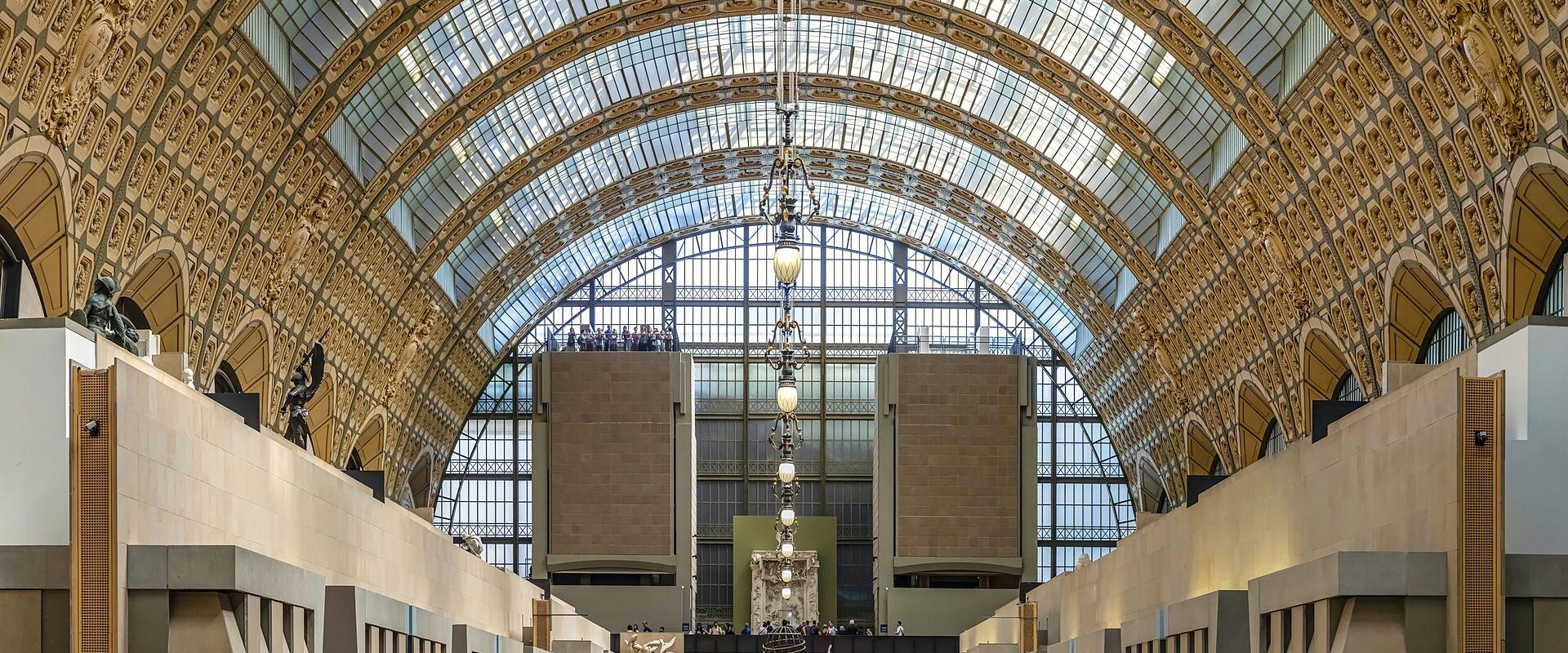
The Musée d'Orsay stands on the left bank of the Seine, facing the Tuileries gardens across the river, and it occupies a building that is part of the story. It was built as a railway station, the Gare d'Orsay, designed by the architect Victor Laloux and opened in 1900 to bring visitors to the Exposition Universelle in Paris. The long iron-and-glass hall, covered by a great vault, was a modern engineering marvel behind a stone façade in the Beaux-Arts style. By the late 1930s the platforms were too short for modern trains, and the station served suburban lines until it closed. The building was used for other things, including as a film set, and was close to being demolished in the 1970s before it was saved and converted into a museum, opened in 1986.
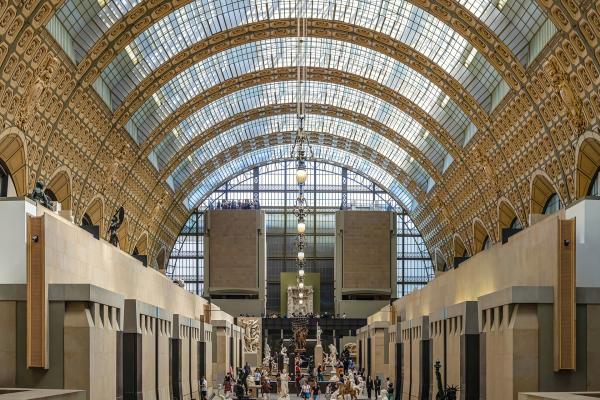
The interior was reshaped by the Italian architect Gae Aulenti, who kept the great hall as a central nave lined with sculpture and built galleries along its sides. The space is bright, thanks to the glass roof, and the massive clock faces at each end are among its best-known features. One of them, on the upper level, now forms the back of a café, and through the translucent dial you can see the dome of Sacré-Cœur on the horizon of Montmartre.
The collections cover the period from about 1848 to 1914, so they fill the gap between the Louvre and the Centre Pompidou. The most popular galleries are those of the Impressionists and Post-Impressionists, on the upper floor. They include famous works by Monet, Renoir, Degas, Manet, Cézanne, Van Gogh and Gauguin, among them Manet's Olympia, Monet's series of paintings of Rouen cathedral and a number of canvases by Van Gogh, including his starry night over the Rhône. The museum also has strong sections on earlier realist painters such as Courbet and Millet, on academic painting, on sculpture, with works by Rodin and Carpeaux, and on Art Nouveau furniture and decorative arts.
A full visit can take a whole day, but two to three hours are enough to see the highlights. Entry is by timed ticket, so book online in advance to avoid long queues, especially in the high season. The museum is open every day except Monday and certain holidays, with a late opening one evening a week. Early morning and late afternoon are quieter, and midweek days tend to be less busy than weekends.
The museum is a short walk from the Louvre across the Pont Royal, and from the Musée de l'Orangerie in the Tuileries. It suits art lovers, architecture fans and first-time visitors who want to see the best of French painting of the nineteenth century.
Categories
More photos coming soon
Nearby Attractions
Other places to visit in Paris
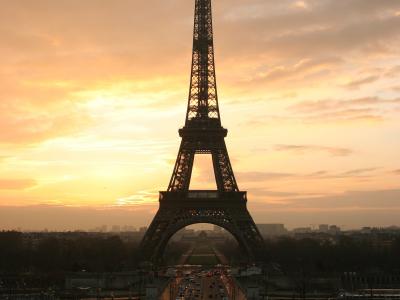
Eiffel Tower
324m iron lattice tower built for 1889 World's Fair
From €3.80 Historic Architecture · Towers
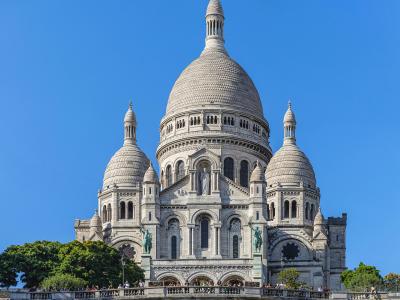
Montmartre and Sacré-Cœur
White basilica atop Montmartre hill
Free Guided Experiences · Historic Architecture
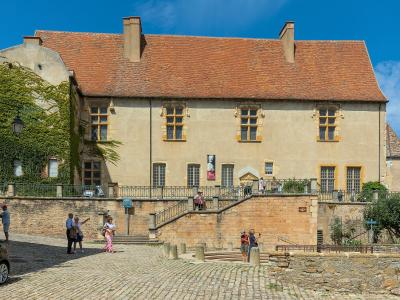
Cluny Museum (Musée de Cluny)
Medieval abbey and museum in Burgundy
From €8 Historic Architecture · Museums & Culture
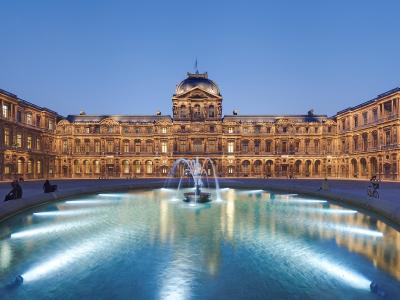
The Louvre Museum
World's largest art museum in historic Paris palace
From €22 Guided Experiences · Historic Architecture
Questions people ask
Quick Facts
Best Time to Visit
April to June and September to October offer mild weather and fewer crowds for optimal exploration.