







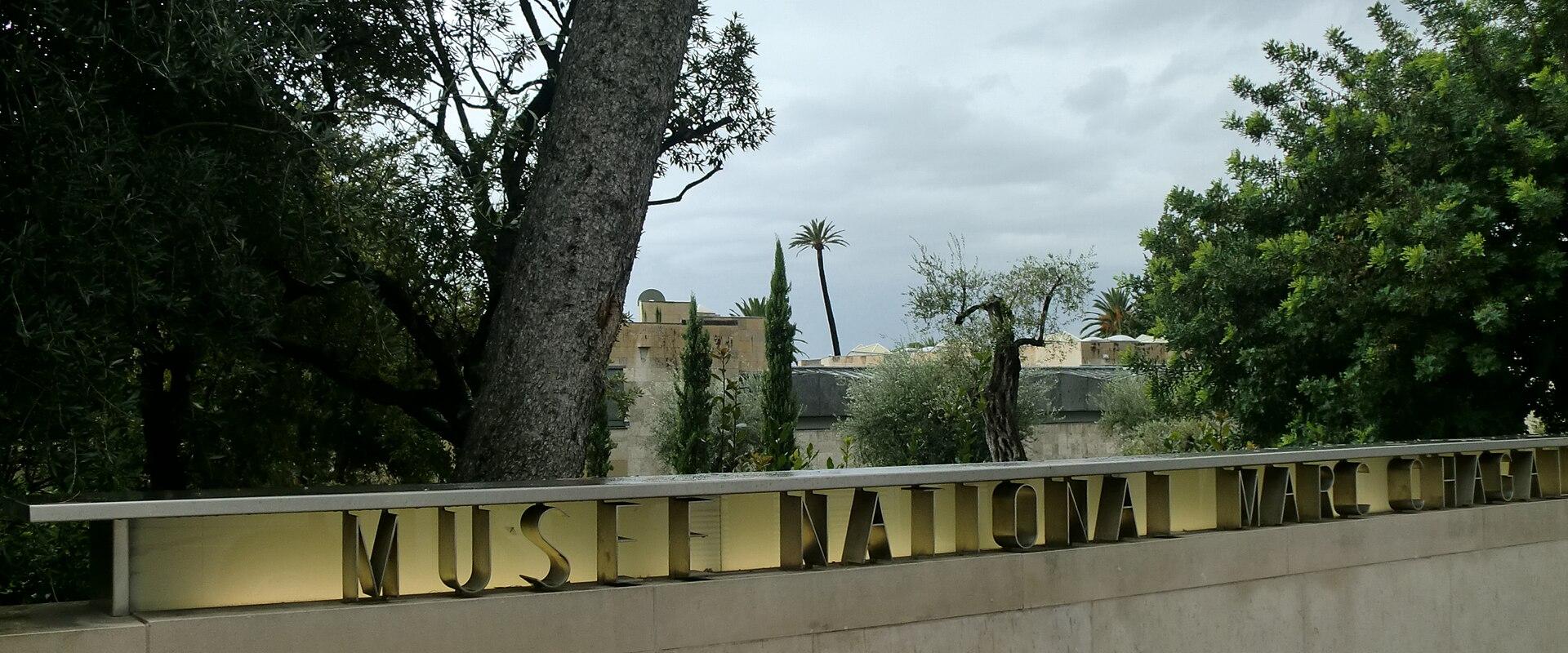
- Where
- Nice, Provence-Alpes-Côte d'Azur
- Directions
- Directions
The Musée National Marc Chagall stands in a garden on the hill of Cimiez in Nice, and it was built specifically to house a series of paintings that the artist created on biblical themes. The museum opened in 1973, while Chagall was still alive and living on the Riviera, and he took an active role in the project, designing a stained-glass window and a mosaic for the building. It is a rare case of a museum shaped by the artist himself, and it holds one of the largest public collections of his work.
Chagall was born in 1887 in a Jewish family in the town of Vitebsk, in what is now Belarus, and spent much of his life in exile, working in Paris, Russia and the United States before settling in the south of France in 1950. He lived at Vence and later at Saint-Paul-de-Vence, where he died in 1985. His art, rich in colour, poetry and imagination, drew on Jewish tradition, folk tales and dreams, and the Bible was one of his central sources. In the 1950s and 1960s, he painted a cycle of seventeen large canvases devoted to the Biblical Message, scenes from Genesis, Exodus and the Song of Songs, and in 1966 he gave them to the French state on the condition that a museum be built to house them.
The museum was designed by the architect André Hermant as a modest, light-filled building, set in a garden of olive trees, cypresses and Mediterranean plants, with a pool and a terrace. The large paintings hang in two main halls. In one, the scenes from Genesis and Exodus glow with deep blues, reds and greens, among them Adam and Eve, Noah's ark and Moses before the burning bush, while the other is devoted to the Song of Songs, with five paintings in warm reds and pinks about love. Around them are gouaches, drawings, pastels, sculptures and lithographs that show how he developed his ideas. In the auditorium, there are stained-glass windows with the theme of the Creation, bathed in blue, and concerts are sometimes given there, in a space with fine acoustics.
In front of the museum, a mosaic of the prophet Elijah in his chariot of fire decorates the pool and catches the light, one more example of the artist's involvement in the design. The calm setting helps visitors to absorb the intensity of the works, and the garden is a pleasant place to rest. The museum offers activities for children and families, including creative workshops, and it is accessible to visitors with disabilities.
Cimiez is also home to the Musée Matisse, in a seventeenth-century villa, and the Roman remains of the ancient town of Cemenelum, with an amphitheatre and baths, as well as a Franciscan monastery and gardens. The area is quieter and greener than the seafront and the old town, and it can be reached by bus or tram from the centre of Nice. The museum suits art lovers, families and anyone interested in the religious themes of twentieth-century art. Opening days and hours change with the season, and it is closed on Tuesdays, so check before you go.
Categories
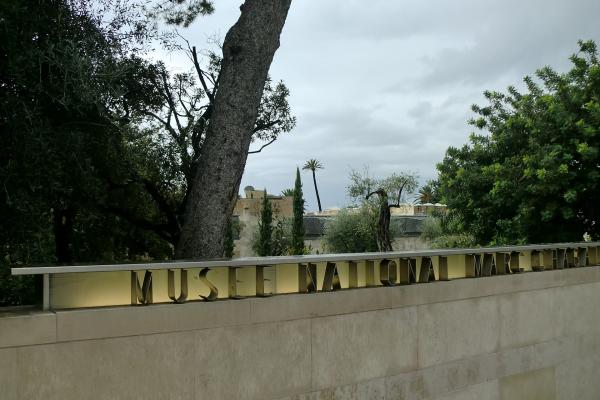
More photos coming soon
Nearby Attractions
Other places to visit in Nice
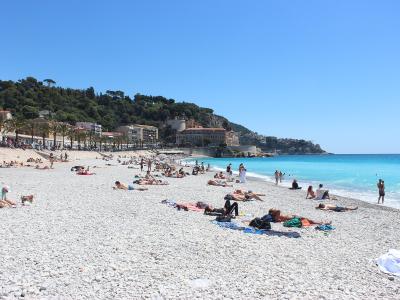
Promenade des Anglais
7km palm-lined coastal boulevard in Nice
Coastal Promenades · Heritage Trails
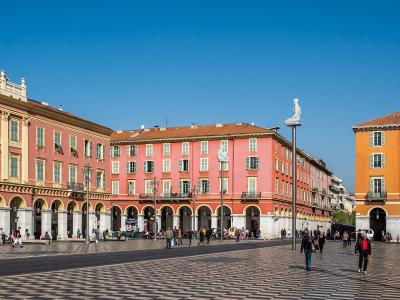
Place Masséna
Black-and-white lattice square with Plensa sculptures
Free Historic Architecture · City Centers
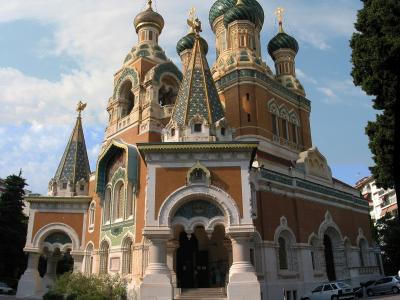
Cathédrale Saint-Nicolas
Russian Orthodox cathedral built by Tsar Nicholas II
Free Architectural Landmarks · Churches
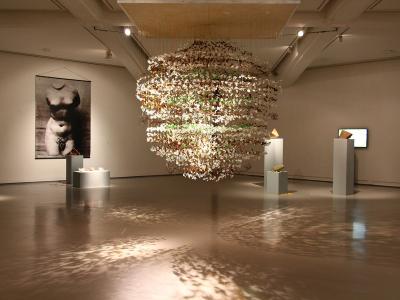
Musée d'Art Moderne et d'Art Contemporain (MAMAC)
Modern and contemporary art in Nice
Museums & Culture
Questions people ask
Quick Facts
Best Time to Visit
May to June and September to October offer warm weather and fewer crowds for optimal exploration.