







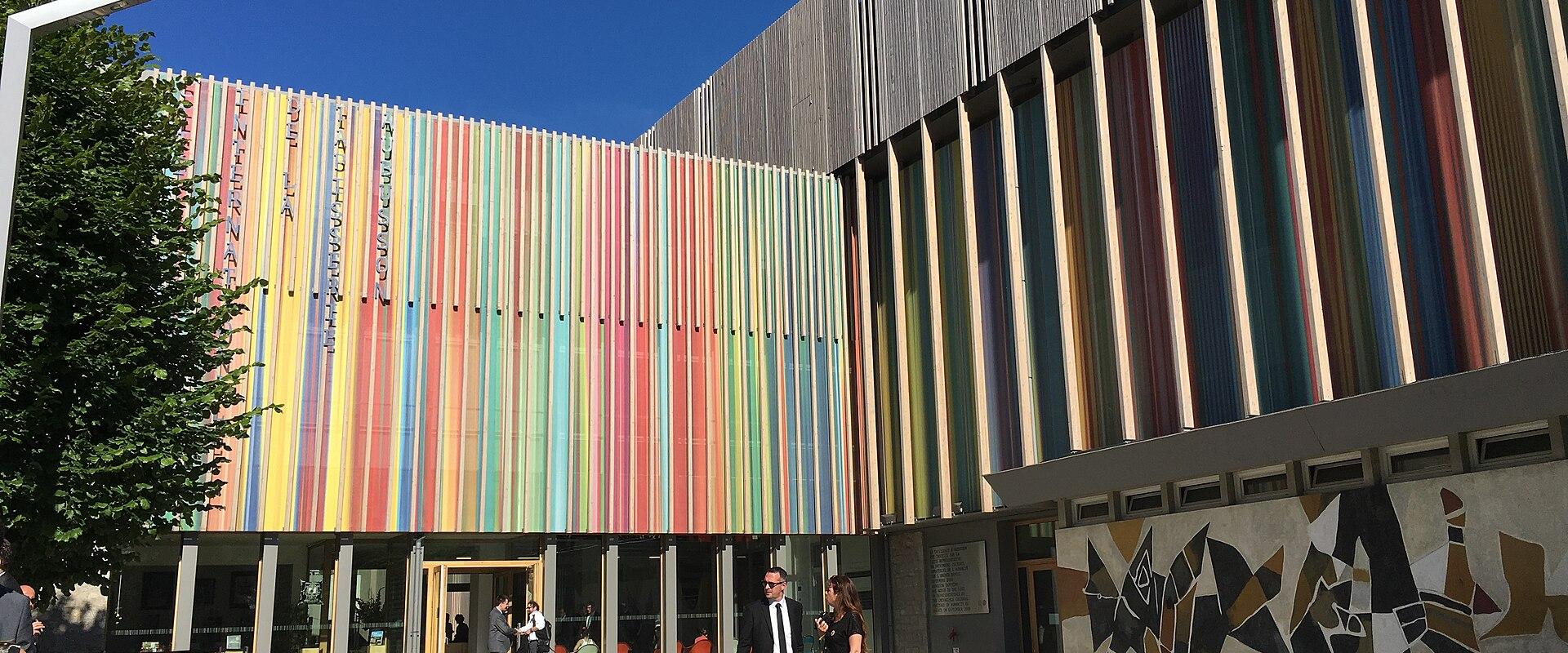
Musée National de la Tapisserie
Six-century tapestry heritage and contemporary art
- Where
- Aubusson, Limousin
- Directions
- Directions
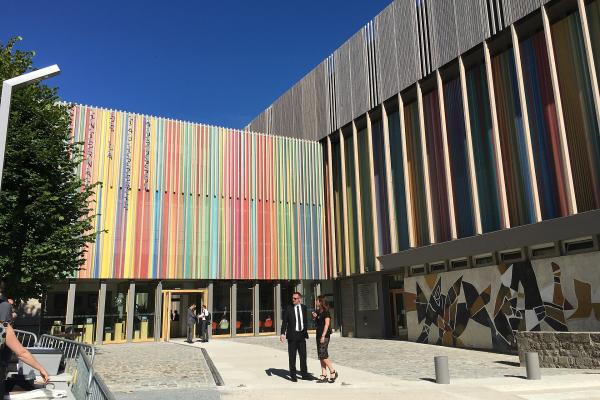
Aubusson, in the Creuse department in the centre of France, has been weaving tapestries since at least the fifteenth century, and the Musée National de la Tapisserie, part of the Cité internationale de la tapisserie, tells the story of that craft. The museum opened in 2016 in a purpose-built building in the town, bringing together the collection of the former departmental tapestry museum with a wider programme of exhibitions and activities. Aubusson and the neighbouring town of Felletin have been the home of low-warp weaving for around six centuries, and in 2009 Aubusson tapestry was added to UNESCO's list of the intangible cultural heritage of humanity.
The town's tapestry industry grew in the valley of the Creuse, where the water was good for dyeing wool, and it flourished from the sixteenth to the eighteenth centuries, when Aubusson workshops supplied tapestries and carpets to the royal court and to wealthy clients. The museum shows this history with a collection of historic pieces, including large wall hangings with scenes of hunting, mythology and green landscapes known as verdures, which were woven in vegetal patterns with detailed foliage. A display explains how a tapestry is made, from the design and the cartoon, which is a full-size drawing, to the wool dyeing and the weaving on the loom, where the weaver works from behind and follows the pattern under the warp.
The craft nearly died out in the early twentieth century, and it was revived in the 1930s by the painter Jean Lurçat, who worked with the weavers of Aubusson to create modern tapestries with a limited range of colours and bold designs. His most famous work, Le Chant du monde, a vast series on the themes of war and peace, belongs to this revival. Other twentieth-century artists, including Le Corbusier and Georges Braque, designed tapestries woven in Aubusson, and the museum shows examples of this contemporary work, which links the old craft with modern art.
Temporary exhibitions complement the permanent displays and often show contemporary artists working with the technique, including large works that play with the idea of tapestry as a modern medium. The programme changes each year, and the museum is also a centre for education and training. Opening hours vary by season, with longer hours in July and August and shorter hours with a break at lunchtime for the rest of the year, so check before you go.
The museum is a good starting point for exploring the town. Weaving workshops in Aubusson welcome visitors, and the Maison de la Tapisserie gives information, while the Marché d'Aubusson fills the streets on market days. The Vieux Aubusson, the old town, with its steep lanes and houses along the river, is a pleasant place to walk. The museum suits textile lovers, art fans and those interested in traditional crafts.
Categories
More photos coming soon
Nearby Attractions
Other places to visit in Aubusson
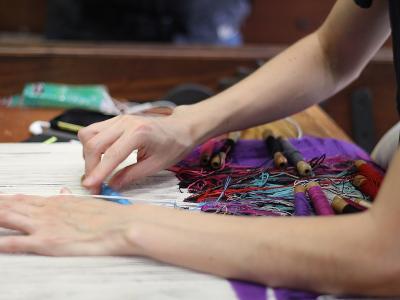
Maison de la Tapisserie
UNESCO-listed tapestry museum in historic Aubusson
Museums & Culture · Art Museums
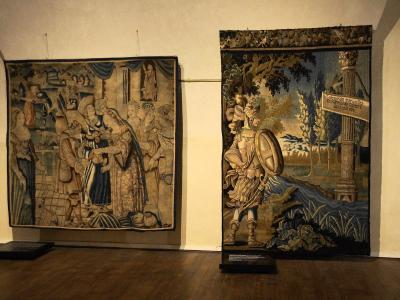
Marché d'Aubusson
Weekly market in Aubusson, France
Museums & Culture · Urban Exploration
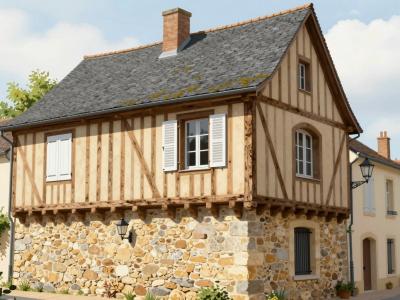
Vieux Aubusson (Old Town)
15th-century tapestry heritage in a medieval old town
Historic Architecture · Museums & Culture
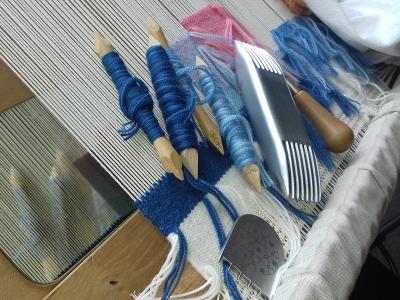
Ateliers de Tapisserie (Weaving Workshops)
UNESCO heritage low-warp tapestry weaving workshops
From €2 Guided Experiences · Museums & Culture
Questions people ask
Quick Facts
Best Time to Visit
Late June to late August offers warm weather and ideal conditions for outdoor activities and sightseeing.