







- Where
- Sète, Languedoc-Roussillon
- Directions
- Directions
Sète is a port town on the Mediterranean coast of Languedoc, built on the slopes of Mont Saint-Clair between the sea and the Étang de Thau, and the Musée Paul Valéry is its fine arts museum, named after the poet who was born here in 1871. It stands on the hillside above the harbour, next to the Cimetière marin, the marine cemetery that gave its name to Valéry's most famous poem and where he is buried, and the position, looking out over the sea, is one of the most atmospheric of any museum in the region. The museum opened in 1970, in a modern building designed for the site, which contrasts with the traditional Mediterranean town below.
The museum is dedicated to the poet and to the artistic and cultural life of Sète and its surroundings. Paul Valéry, who became one of the leading French writers of the early twentieth century and a member of the Académie française, wrote of the sea and of the light of the Midi, and the museum pays tribute to him with manuscripts, portraits, documents and personal objects. His connection with the town runs through the building, since the cemetery and the sea he described lie just outside the windows. Another famous native of Sète, the singer-songwriter Georges Brassens, is buried in a different cemetery nearby, and the town has a museum devoted to him, so the cultural heritage is rich for a town of its size.
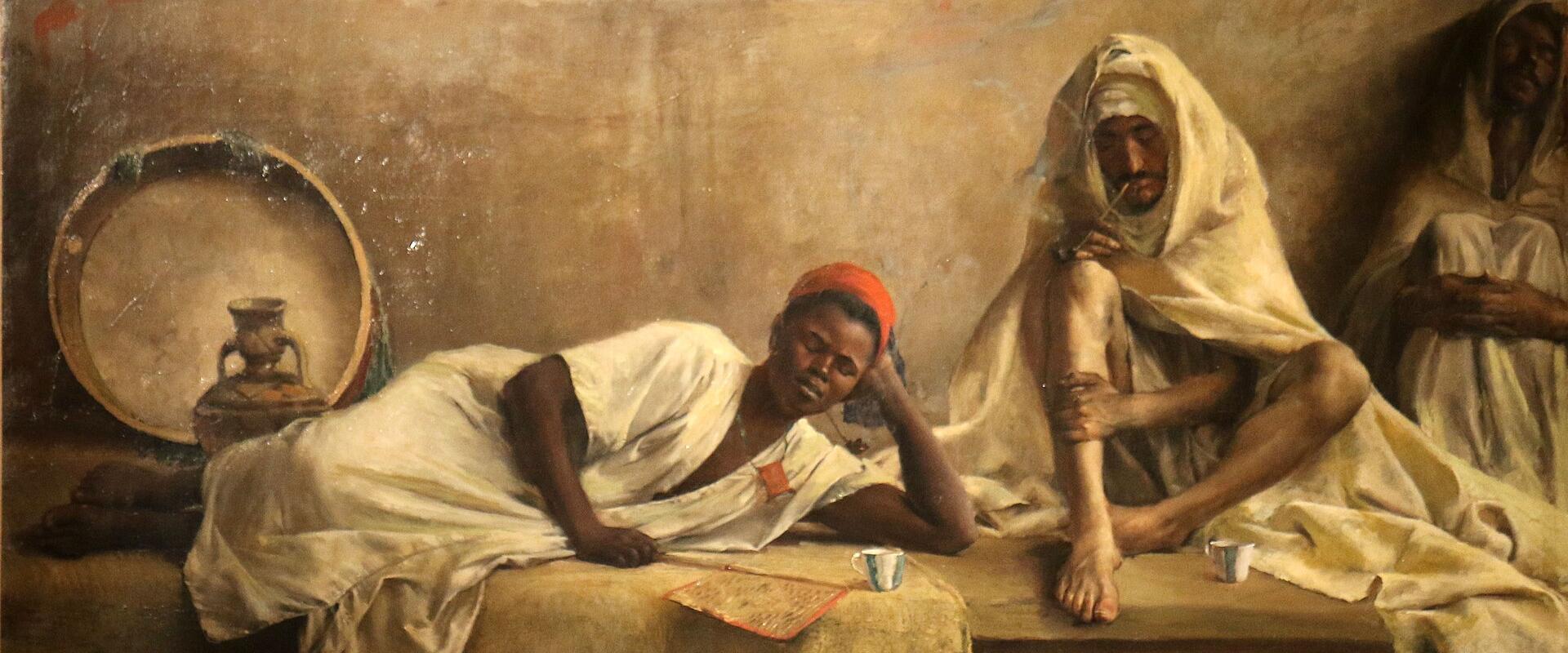
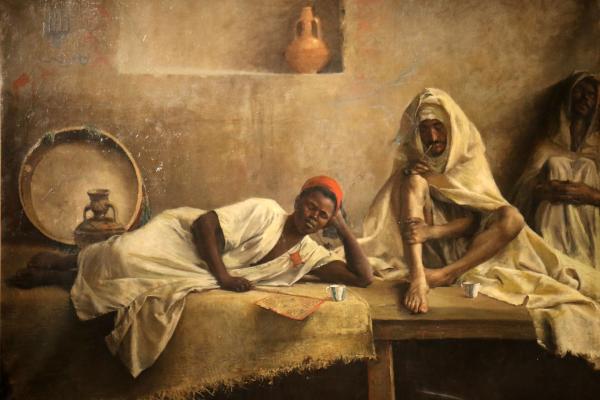
The art collection shows paintings, sculpture and graphic arts, mostly from the nineteenth and twentieth centuries, with a focus on artists of the south of France and others who worked on this coast, among them painters who were attracted by the light of the Mediterranean. The museum also presents the history and traditions of the region, such as the jousting on boats that is held in Sète every summer, a sport in which teams of men on boats try to knock each other into the water with long lances, as part of the festival of Saint-Louis in August. There is a library and a documentation centre for visitors interested in literature.
A visit takes one to two hours. Check the opening days and hours, which vary by season. The museum suits art and literature lovers and anyone who wants a view of the sea.
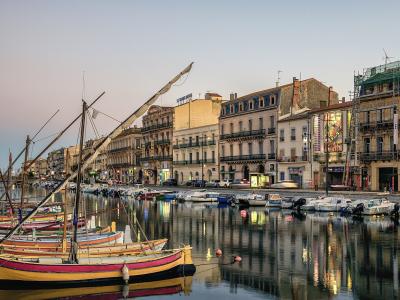
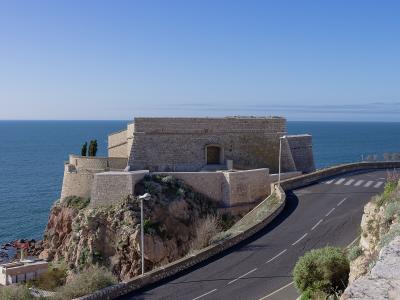
Below the museum, the town offers other attractions. The Théâtre de la Mer, an open-air theatre in an old fort on the shore, hosts concerts in summer, and the fish market, the Marché aux Poissons, and the canals of the old town are pleasant to explore.
Categories
More photos coming soon
Nearby Attractions
Other places to visit in Sète
Questions people ask
Quick Facts
Best Time to Visit
Late June to late August offers warm weather and ideal conditions for beach activities and sightseeing.