Sète
Mediterranean fishing port known as the Venice of Languedoc
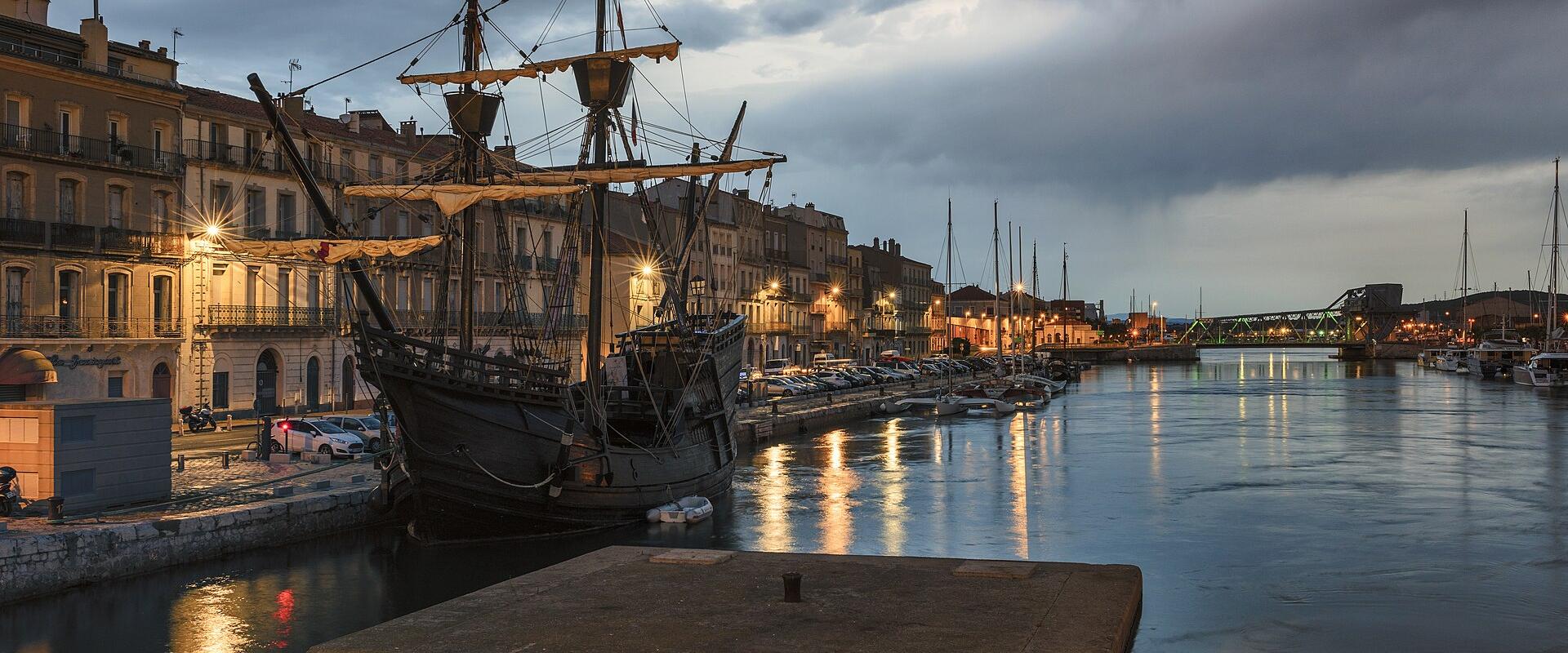
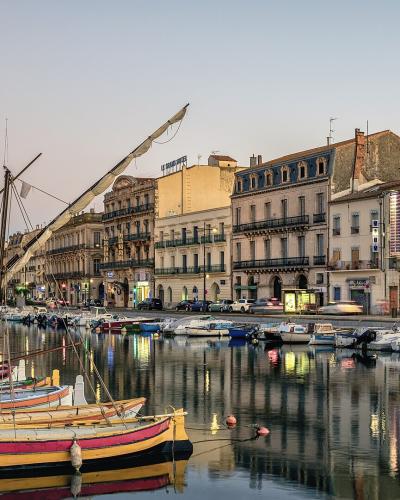
Sète, situated in the Hérault department of southern France, is a town with a profound historical and maritime identity. Historically, it was a small fishing village until the 18th century when Louis XIV commissioned the Canal du Midi to connect the Mediterranean to the Atlantic, transforming Sète into a major port for grain and wine exports. The town's layout reflects this history, with canals intersecting the streets and a bustling port. In the 19th and 20th centuries, Sète became a haven for artists and writers, including the poet Georges Brassens, who spent much of his life there and is celebrated in the Espace Georges Brassens museum. The town's economy has always been tied to the sea, with fishing remaining a central activity. The port is one of the largest in France for fishing, and the local cuisine is heavily influenced by fresh seafood. The town also played a role in the French Resistance during World War II.
The main attractions in Sète revolve around its maritime heritage and natural beauty. The Port de Pêche is the heart of the town, where visitors can watch fishermen unload their catch and enjoy fresh seafood at the numerous restaurants. The Mont St-Clair, a limestone hill overlooking the town, offers panoramic views of the Mediterranean, the Étang de Thau, and the surrounding countryside. The Espace Georges Brassens is dedicated to the life and work of the famous singer-songwriter, featuring exhibits and his former home. The canals of Sète offer boat tours, providing a unique perspective of the town's architecture and history. The Plage de la Corniche is a popular beach for swimming and sunbathing. The Thau Lake Museum showcases the history of the lagoon and its oyster farming industry.
Sète offers various activities for visitors interested in history, nature, and gastronomy. Boat trips on the Étang de Thau allow visitors to visit oyster farms and bird sanctuaries. Kayaking and paddleboarding are popular water sports in the calm waters of the lagoon. The town is a starting point for exploring the Languedoc wine region, with numerous vineyards nearby producing red, white, and rosé wines. The local cuisine features Sète specialties, including bouillabaisse, grilled fish, and local wines. The town hosts various festivals throughout the year, including the Fête de la Saint-Laurent and the Sète Jazz Festival. The nearby Camargue region offers opportunities for horseback riding and birdwatching.
Getting to Sète is convenient via train, with regular services from Montpellier and other major cities in the region. The train station is located near the town center, making it easily accessible. For those traveling by car, Sète is accessible via the A9 motorway. The best time to visit Sète is from late June to late August, when the weather is warm and sunny, ideal for beach activities and outdoor exploration. July and August are the warmest months, with average highs around 28°C, but also the busiest. Spring and autumn offer milder weather and fewer crowds, making them suitable for sightseeing and wine tasting. Autumn is particularly popular for wine lovers due to the harvest season. Winter is mild but can be rainy, offering a serene atmosphere for indoor museum visits. Sète combines historical depth, natural beauty, and gastronomic excellence, making it a compelling destination for travelers seeking an authentic Mediterranean experience.
Best Time to Visit
Late June to late August offers warm weather and ideal conditions for beach activities and sightseeing.
Did you know?
Interesting, verified facts about Sète
Set for 'Demain, nous appartient'
Film & TVThe local oyster farm on the shores of the Thau lagoon serves as a filming location for the daily TF1 series 'Demain, nous appartient' (Tomorrow Is Ours).
Source: external sourcePlan Your Visit to Sète
Essential travel tips and information for your trip to Sète.
Suggested Itineraries
Sète Cultural Heritage
2 days2-day cultural heritage tour of Sète's canals and museums
View ItineraryExtended Sète Experience
3 days3-day Sète itinerary: canals, seafood, and Mt St Clair
View ItineraryTravel Tips
Currency
EUR • Cards widely accepted
Language
French • English in tourist areas
WiFi
Free WiFi in cafes and hotels
Explore Sète by Interest
Discover attractions and experiences in Sète organized by your interests and travel preferences.
All attractions in Sète
Sorted by our recommendation score
Quick Facts
Book your stay
Frequently Asked Questions
More destinations in Languedoc-Roussillon
Explore other amazing places in the Languedoc-Roussillon region