







- Admission
- €5.80 standard, €4.90 students, €3.80 children
- Hours
- Sep-Jun: Mon-Sat 10:00-12:30, 14:30-18:00; Jul-Aug: Daily 10:00-12:45, 14:15-18:30
- Where
- Arcachon, Aquitaine
- Directions
- Directions
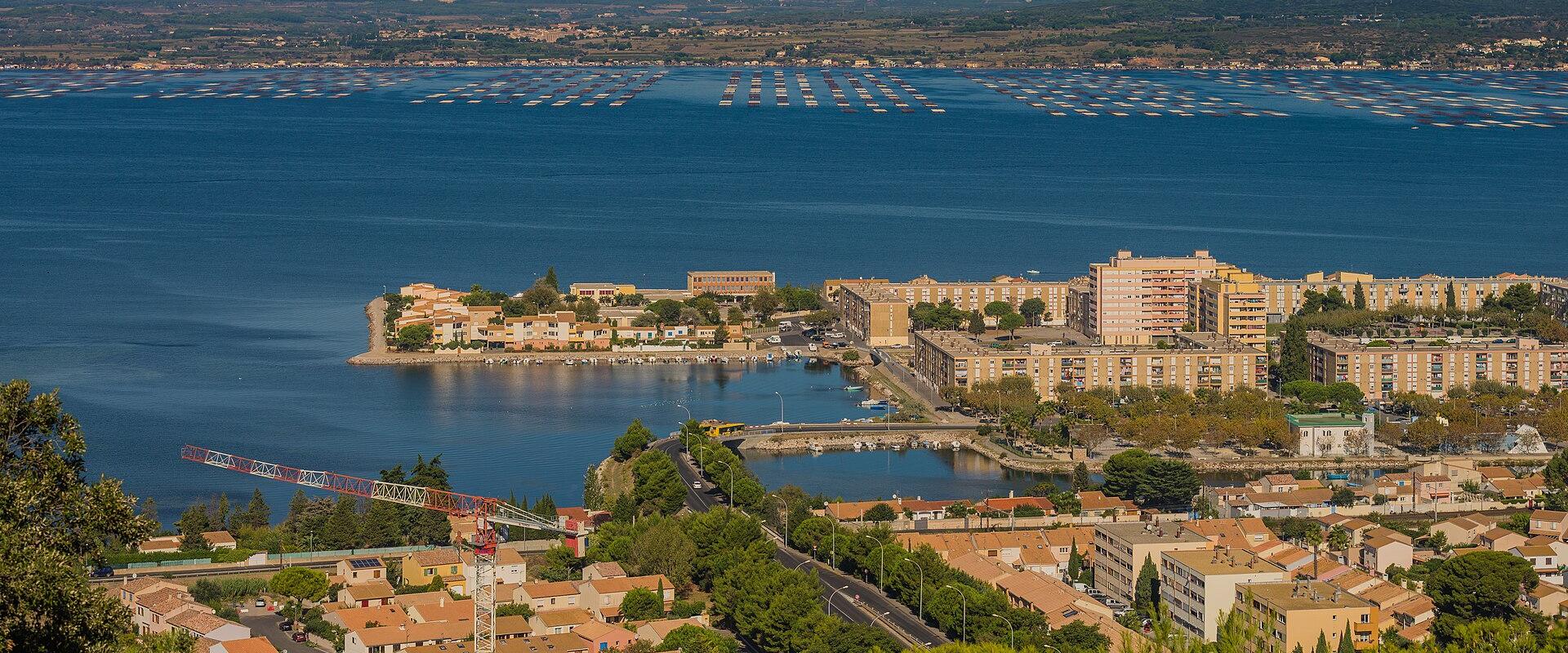
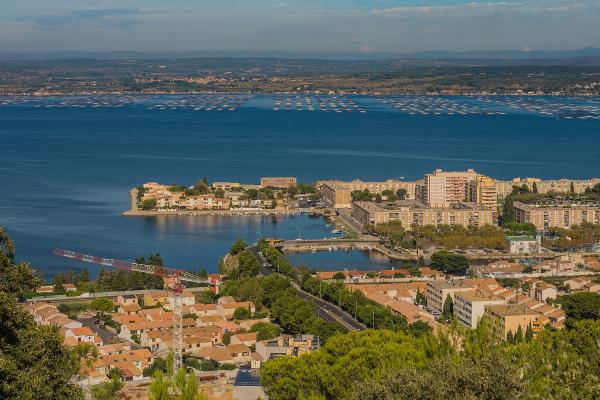
Oysters have been raised in the Bassin d'Arcachon since the nineteenth century, and the town of Gujan-Mestras, on the southern shore of the bay, calls itself the oyster capital. The working oyster parks themselves, stretches of tidal flat marked out with stakes and bags, are places of work and are not open to wander through, but the Maison de l'Huître at the Port de Larros is the place to learn how the industry functions, and it is the best introduction to what you will taste on a plate.
The oyster trade here began under Napoleon III, who encouraged the cultivation of the shellfish after natural beds began to be exhausted, and it expanded in the following decades. The bay was first farmed with a native flat oyster and later with the Portuguese oyster, which was wiped out by disease in the 1960s and early 1970s, after which the Pacific oyster, the Japanese species, was introduced and now makes up almost all production. An oyster takes around three years to reach market size, and each stage is carried out by hand. The young oysters, called spat, are collected on tiles coated with lime, which are laid out in the shallows, then detached, transferred to bags on trestles in the intertidal zone and moved from one area to another as they grow. Growers work with the tides, going out onto the flats at low water, and their flat-bottomed boats and the bags on iron tables are typical sights.
The visit at the Maison de l'Huître is organised in three parts. A short film introduces the life of the oyster and the work of the growers, a guided tour of the museum gives the history of the trade in the bay and explains the production process, and a free outdoor visit shows the equipment of the trade, including boats, tools and a cabin used by growers. The museum also has a shop selling souvenirs and local products. Hours vary between the main season and the rest of the year, with longer opening in July and August, and closing during lunch hours. Check the current schedule before arriving.
The port of Larros is one of seven oyster ports on the bay around Gujan-Mestras, and its brightly painted wooden huts are home to growers who sell directly to visitors. In these cabins you can eat oysters at a plain table with a glass of white wine, often with a local tradition, the crépinette, a small grilled sausage that is eaten with oysters. Boat tours leave from the ports and pass the oyster parks and the stilt houses, so a visit to the museum can be followed by a trip on the water.
The bay's other sights, the Dune du Pilat, the Cap Ferret peninsula, the Île aux Oiseaux and the Marché d'Arcachon, are within reach, and the Cité de l'Océan is another place to visit. The museum suits families, food lovers and anyone curious about a traditional trade.
Categories
More photos coming soon
Hours & Fees
- Open
- Sep-Jun: Mon-Sat 10:00-12:30, 14:30-18:00; Jul-Aug: Daily 10:00-12:45, 14:15-18:30
- Admission
- €5.80 standard, €4.90 students, €3.80 children
Hours and prices change, especially out of season. Check with the venue before you go.
Nearby Attractions
Other places to visit in Arcachon
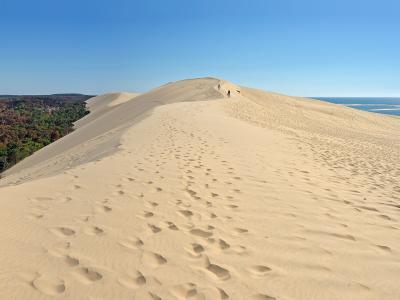
The Dune of Pilat
Europe's highest sand dune in Arcachon
Free Coastal & Maritime · Geological Sites
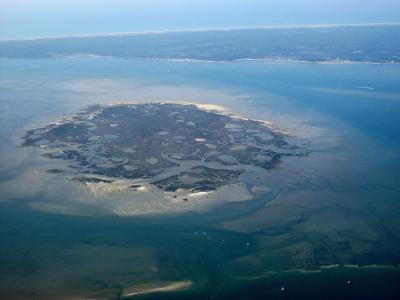
Île aux Oiseaux
Protected Arcachon Bay island with 400k birds
Free Guided Experiences · Nature & Parks
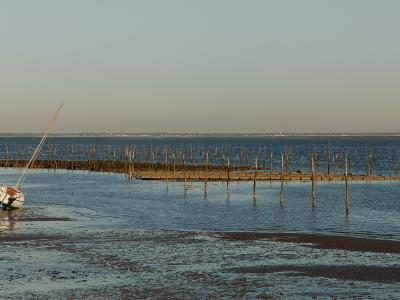
Cap Ferret Peninsula
Lighthouse, pine forests, and oyster beds
Coastal & Maritime · Food & Wine
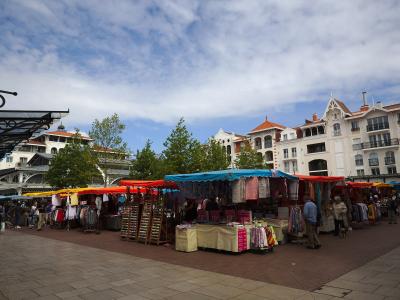
Marché d'Arcachon
Daily fresh produce market in Arcachon's city center
Free Food & Wine · Urban Exploration
Questions people ask
Quick Facts
Best Time to Visit
Mid-June to mid-September offers warm weather and ideal conditions for beach activities and sightseeing.