







- Where
- Paris, Île-de-France
- Directions
- Directions
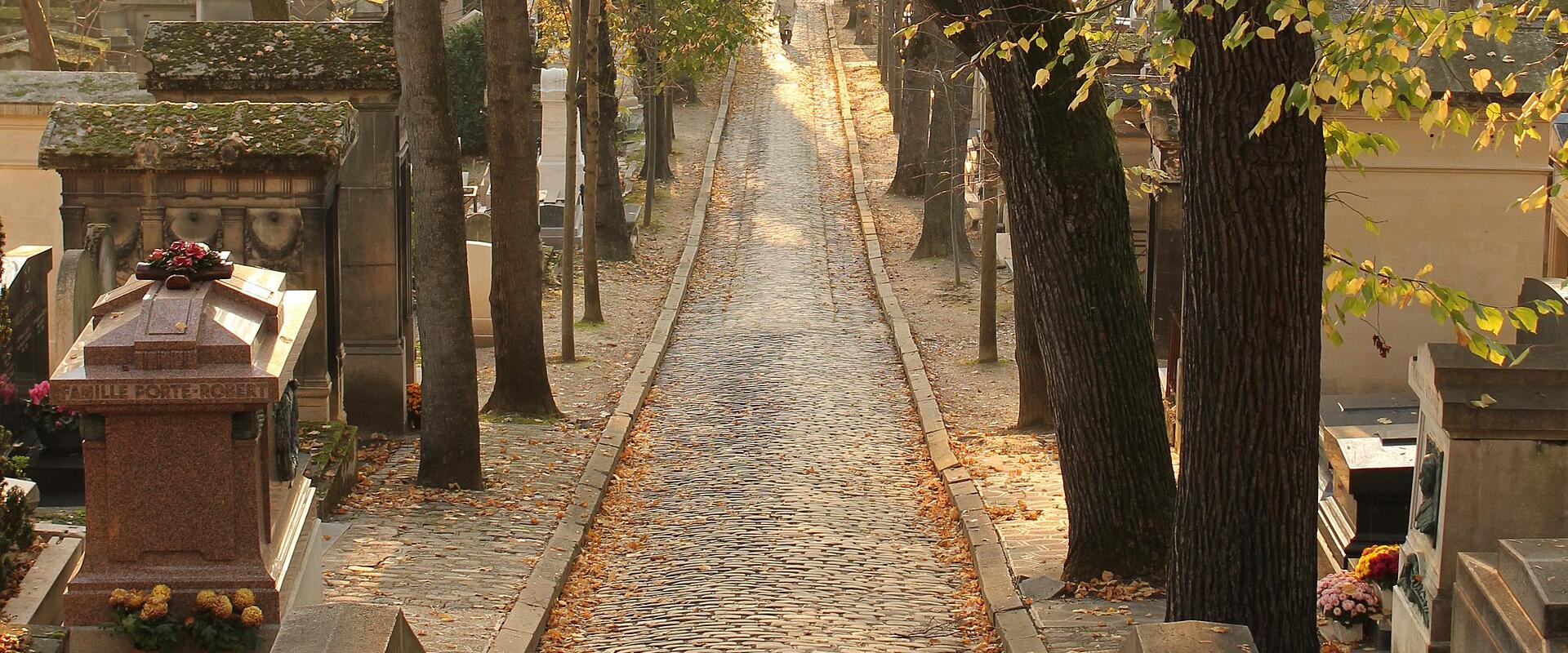
Père Lachaise is the largest cemetery in Paris, with about forty-four hectares of hillside on the eastern edge of the city, in the twentieth arrondissement, and it is also one of the most visited cemeteries in the world, attracting millions of visitors a year. It was opened in 1804 under Napoleon, at a time when the old parish churchyards of Paris had become overcrowded and unhealthy and were being closed, and it was designed as a landscaped garden cemetery by the architect Alexandre-Théodore Brongniart, with winding paths, trees and views. The name comes from François d'Aix de La Chaise, called Père Lachaise, the confessor of Louis XIV, who had lived in a house on the site, which belonged to the Jesuits.
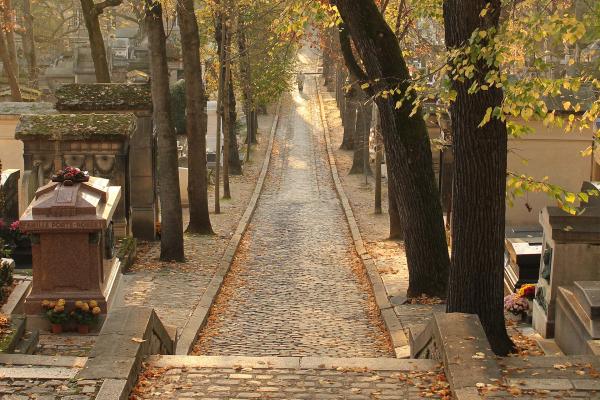
The cemetery was not popular at first, as it lay far from the city, and the authorities had to attract burials by transferring the remains of famous figures, among them, according to tradition, the playwright Molière and the fabulist Jean de La Fontaine, who were reburied here in 1817. This made the cemetery fashionable, and the families of the wealthy bourgeoisie began to buy plots, and over the nineteenth century it filled with elaborate tombs and monuments. Today there are tens of thousands of graves, and it is classed as a historic monument. The grounds are organised in divisions, with cobbled lanes, avenues of chestnut trees and steep paths, and a plan is essential, as it is easy to get lost.
The list of famous people buried here is extraordinary, and many visitors come to find a particular grave. Among writers are Honoré de Balzac, Marcel Proust, Oscar Wilde, whose tomb by the sculptor Jacob Epstein is a sphinx-like winged figure, and Colette. Musicians include Frédéric Chopin, Édith Piaf, Georges Bizet and the American rock singer Jim Morrison of The Doors, whose grave is among the most visited, with a guard to protect it. Painters include Eugène Delacroix, Camille Pissarro, Amedeo Modigliani and Georges Seurat, and the dancer Isadora Duncan is also buried here. Many other graves are of ordinary people with beautiful sculpture, such as the weeping angels, the miniature chapels and the busts, and the cemetery is an open-air museum of funerary art.
The cemetery also bears the marks of history. At the eastern wall, the Mur des Fédérés marks the place where, on 28 May 1871, the last fighters of the Paris Commune were shot by government troops, and it is a place of pilgrimage for the political left. Monuments to the victims of the Nazi camps and to the French Resistance stand in another part, and several memorials commemorate deportees.
The cemetery is free to enter and is open every day, with closing times that vary with the season, and a map can be obtained at the main entrance on the Boulevard de Ménilmontant. Wear comfortable shoes, as the paths are uneven and hilly, and allow at least two hours. The cemetery is quieter in the early morning and in winter. It suits history lovers, literature fans and those who enjoy a thoughtful walk.
Categories
More photos coming soon
Nearby Attractions
Other places to visit in Paris
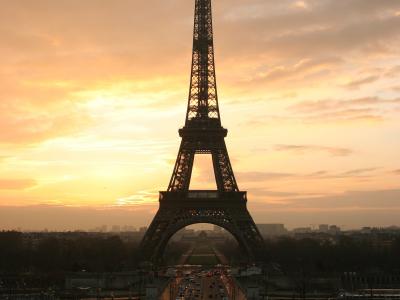
Eiffel Tower
324m iron lattice tower built for 1889 World's Fair
From €3.80 Historic Architecture · Towers
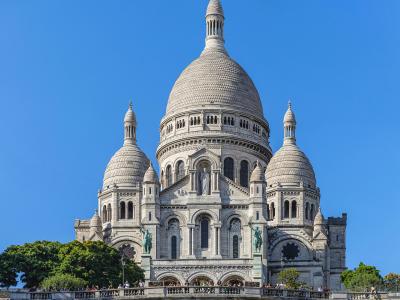
Montmartre and Sacré-Cœur
White basilica atop Montmartre hill
Free Guided Experiences · Historic Architecture
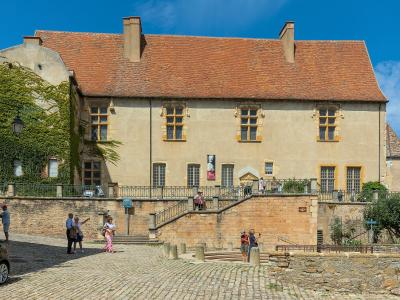
Cluny Museum (Musée de Cluny)
Medieval abbey and museum in Burgundy
From €8 Historic Architecture · Museums & Culture
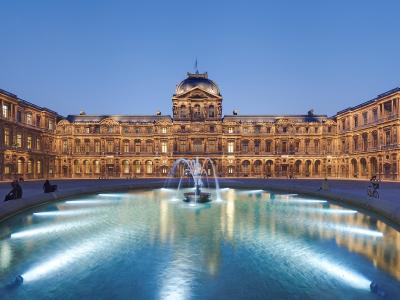
The Louvre Museum
World's largest art museum in historic Paris palace
From €22 Guided Experiences · Historic Architecture
Questions people ask
Quick Facts
Best Time to Visit
April to June and September to October offer mild weather and fewer crowds for optimal exploration.