







- Admission
- 15€ unguided tours
- Range 0€ to 300€
- Hours
- Daily 10 am to 4 pm; closes at 5 pm; may close earlier on matinee performance days
- Where
- Paris, Île-de-France
- Directions
- Directions
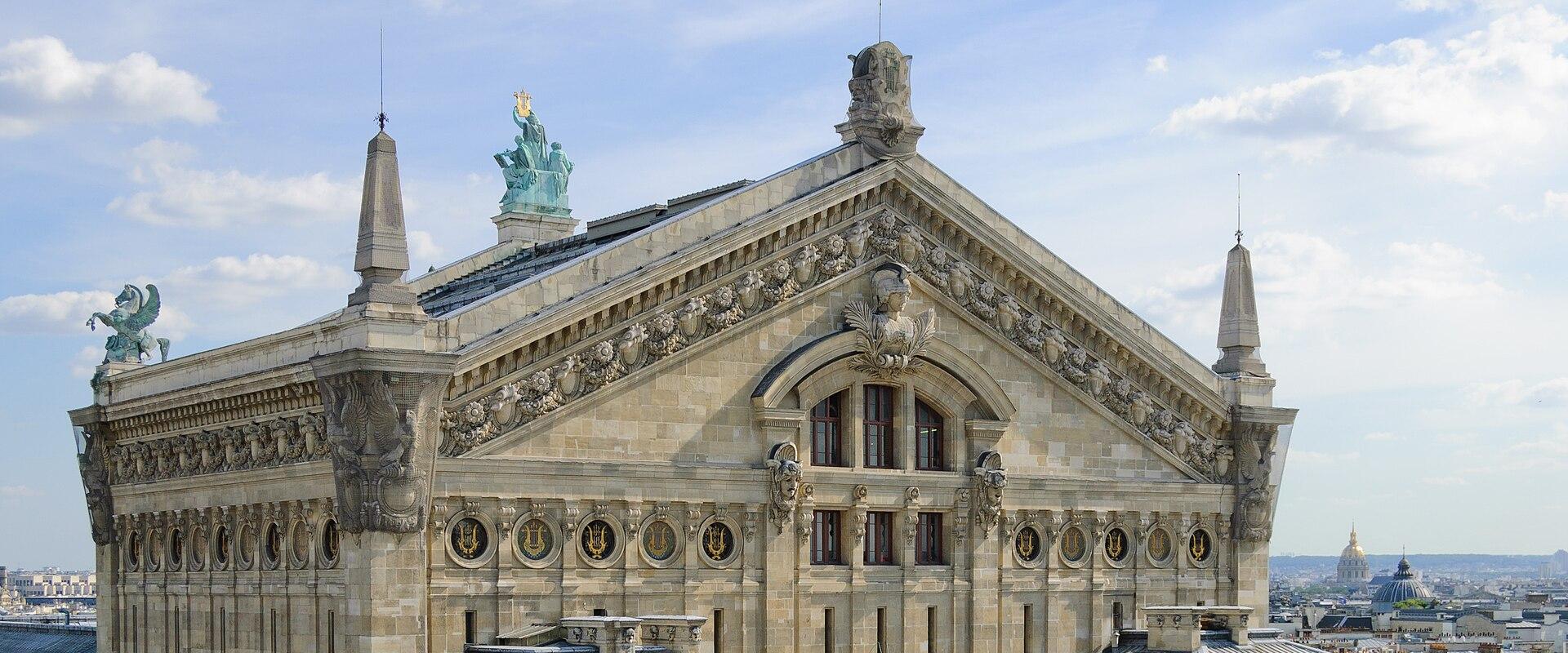
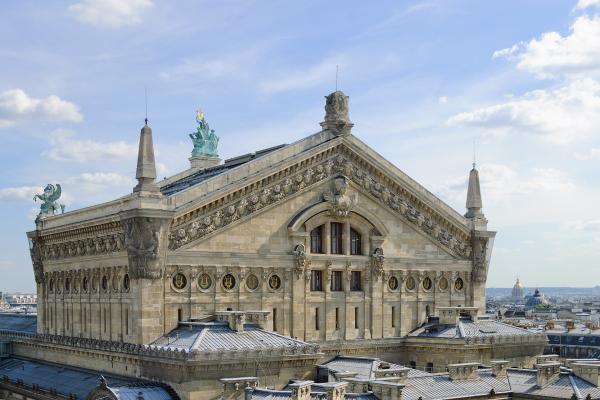
The Palais Garnier, the old opera house of Paris, is one of the great monuments of the Second Empire and the building that most people picture when they think of grand opera. It was designed by Charles Garnier, who was only thirty-five and unknown when he won the competition in 1861, and it took fourteen years to build, since the work was interrupted by the fall of Napoleon III in 1870 and the siege of Paris, and the building was inaugurated in January 1875. The architect's aim was to create a total work of art, a building where the spectators were as much on show as the performers, and the result is a lavish mixture of marble, gilding, mosaics, sculpture and painting that is the best example of what is called the Napoleon III style.
The visit begins with the entrance hall and the Grand Staircase, which is the centre of the building. A double flight of white marble steps with a balustrade of red and green marble rises in a vast space lit from above, surrounded by galleries and columns, a setting designed so that the elegant audience could see and be seen as they climbed. At the top lies the Grand Foyer, a long gallery sixty metres in length, inspired by the Hall of Mirrors at Versailles, with a painted ceiling, gilded mirrors and chandeliers. The auditorium, in the Italian horseshoe form, seats nearly two thousand people and is decorated in red velvet and gold, with a great bronze and crystal chandelier weighing about eight tonnes hanging from the ceiling. The ceiling itself is a painting by Marc Chagall, made in 1964, with scenes from operas and ballets in bright colours, set over the original ceiling of the nineteenth century. The visit also includes the box of the Phantom, referring to the novel The Phantom of the Opera by Gaston Leroux of 1910, which was inspired by the building and by the underground water cistern beneath it, the library-museum, which has models, costumes and portraits, and the Rotunda, where the subscribers gathered.
The Palais Garnier is still a working theatre. After the Opéra Bastille opened in 1989, the Palais Garnier became the main home of the ballet of the Opéra national de Paris, with some opera performances too, and the dancers of the company rehearse and train in the building. The painter Edgar Degas, who was a regular at the Opéra, made many of his famous paintings and pastels of dancers here in the 1870s and 1880s.
The building is open to visitors every day outside rehearsal and performance times, usually from morning to late afternoon, and it may close earlier on days of matinée performances, or close parts of the building such as the auditorium. Online booking is strongly advised, since entry numbers are limited, and tickets are sold for unguided visits and for guided tours in several languages. The entrance is at the corner of the rue Scribe and the rue Auber, next to the department stores of Boulevard Haussmann. Plan about an hour and a half.
The Palais Garnier suits lovers of opera and ballet, architecture and the history of Paris, and a performance there is a memorable evening.
Categories
More photos coming soon
Hours & Fees
- Open
- Daily 10 am to 4 pm; closes at 5 pm; may close earlier on matinee performance days
- Admission
- 15€ unguided tours; range 0€ to 300€
Hours and prices change, especially out of season. Check with the venue before you go.
Nearby Attractions
Other places to visit in Paris
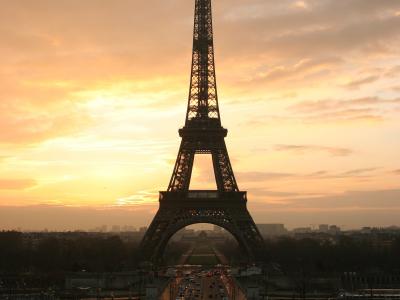
Eiffel Tower
324m iron lattice tower built for 1889 World's Fair
From €3.80 Historic Architecture · Towers
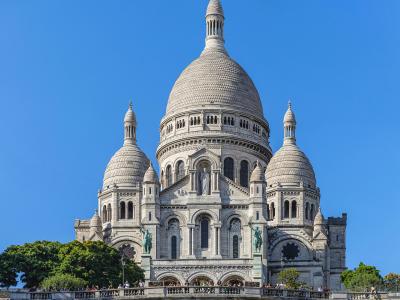
Montmartre and Sacré-Cœur
White basilica atop Montmartre hill
Free Guided Experiences · Historic Architecture
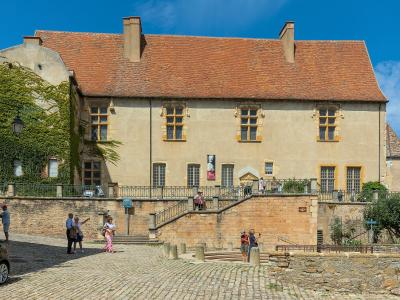
Cluny Museum (Musée de Cluny)
Medieval abbey and museum in Burgundy
From €8 Historic Architecture · Museums & Culture
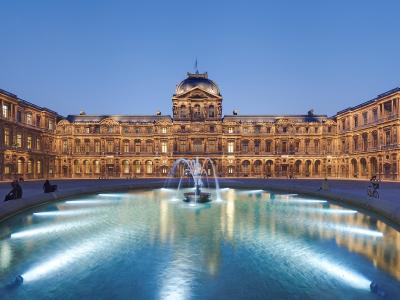
The Louvre Museum
World's largest art museum in historic Paris palace
From €22 Guided Experiences · Historic Architecture
Questions people ask
Quick Facts
Best Time to Visit
April to June and September to October offer mild weather and fewer crowds for optimal exploration.