







- Admission
- Free admission
- Hours
- Daily 9 a.m. to 8 p.m.
- Where
- Marseille, Provence-Alpes-Côte d'Azur
- Directions
- Directions
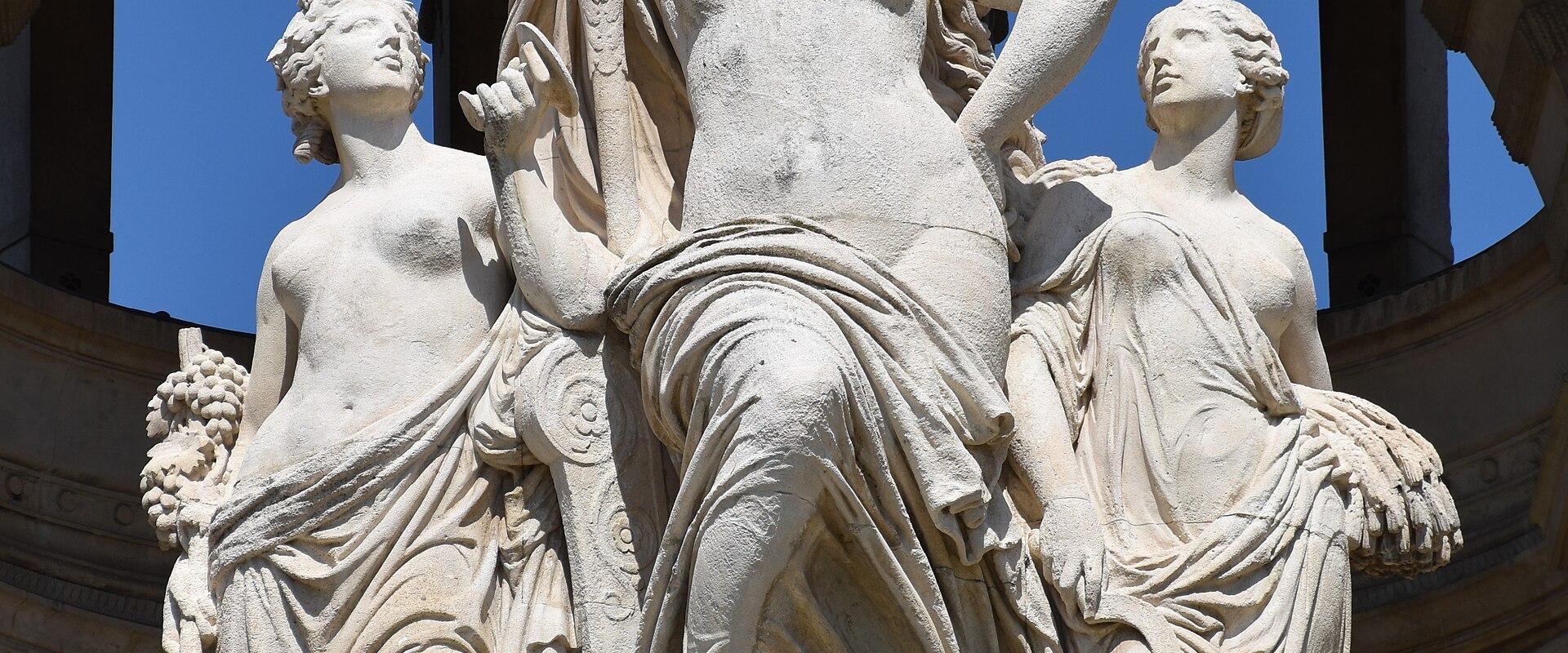
The Palais Longchamp is a monument to water, built in the 1860s to celebrate the arrival of the river Durance in Marseille, and it is one of the grandest civic buildings in southern France. The city had suffered for centuries from drought and from outbreaks of disease linked to poor water, including cholera epidemics in the 1830s, and in 1849 a huge canal, more than eighty kilometres long, was completed to carry water from the Durance across hills, valleys and tunnels. To mark the achievement, the city commissioned a monumental structure to receive the water, and the architect Henri-Jacques Espérandieu designed a water tower and a palace that was built between 1862 and 1869. The design is theatrical, with a central water tower and fountain, framed by a sweeping colonnade that curves outward on each side, ending in two wings.
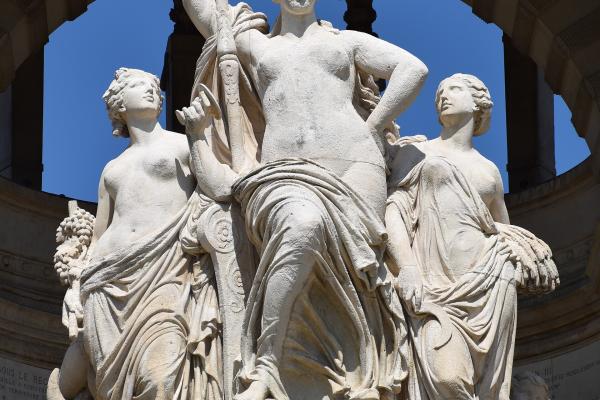
The central group of the fountain shows the river Durance in the form of a figure with bulls and horses, symbolising the water arriving to nourish the land, and below it, a cascade pours down a stone staircase into a large basin. Other sculptures and decoration refer to the agriculture and vineyards of Provence, which depended on the water. The ensemble blends Baroque, Roman and Oriental influences, and its flourishes seem a little over the top, which makes it all the more memorable. The effect is best seen from the foot of the steps, when the water is running and the sun lights the stone.
The two wings hold museums. One shelters the Musée des Beaux-Arts, with paintings and sculptures from the sixteenth century to the nineteenth, and the other the Natural History Museum, with collections of fossils, minerals, animals and birds. Behind the palace, a park of about eight hectares stretches up the hill, with lawns, shady paths, a pond and grottoes, and it served for more than a century as the city's zoo, which closed in the late 1980s. The Observatoire de Marseille, one of the city's oldest scientific institutions, is also located in the park, and it opens to the public for some observations and planetarium sessions.
The park is free, and it is one of the most popular places in Marseille for a stroll or a picnic, particularly on summer evenings when families come to enjoy the fountains. The palace stands on a hill above the Cours Julien district and the centre, a short metro ride from the Old Port. Elsewhere in the city, the MuCEM, Le Panier, La Vieille Charité, the Cathédrale La Major and the Basilique du Sacré-Cœur show other sides of Marseille, and the Corniche Kennedy and Calanques National Park bring the sea.
Allow an hour for the monument and park, more with the museums. It suits families, art lovers and walkers. Check the opening days of the museums before you go.
Categories
More photos coming soon
Hours & Fees
- Open
- Daily 9 a.m. to 8 p.m.
- Admission
- Free admission
Hours and prices change, especially out of season. Check with the venue before you go.
Nearby Attractions
Other places to visit in Marseille
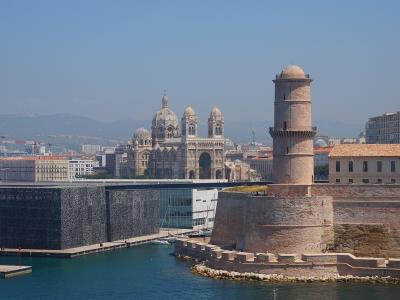
MuCEM (Museum of European and Mediterranean Civilisations)
Anthropological museum in Marseille's historic Fort Saint...
Historic Architecture · Museums & Culture
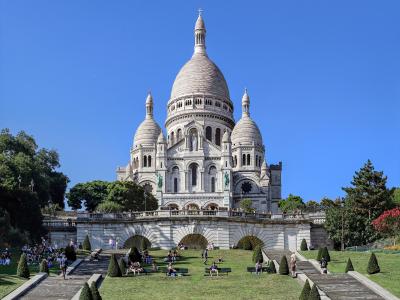
Basilique du Sacré-Cœur
Unfinished 1920 basilica with modernist aesthetic
Free Architectural Landmarks · Churches
Parc Borély
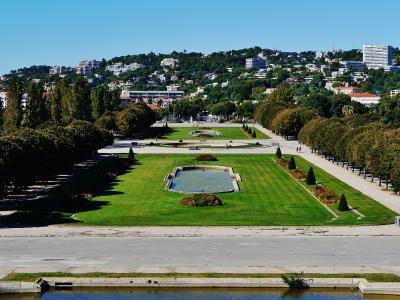
Municipal park with gardens, lakes, and a castle
Free Gardens · Rivers & Lakes
Calanques National Park
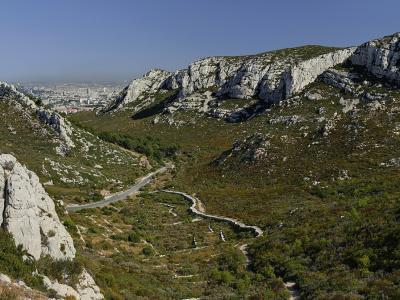
Europe's only land, sea, and urban national park
Free Beaches · Cliffs
Questions people ask
Quick Facts
Best Time to Visit
Late June to late August offers warm weather and ideal conditions for beach activities and sightseeing.