







- Admission
- Free admission
- Hours
- Open year-round; specific hours vary seasonally (e.g., 8am–7pm in winter, 8am–10pm in summ...
- Where
- Perpignan, Languedoc-Roussillon
- Directions
- Directions
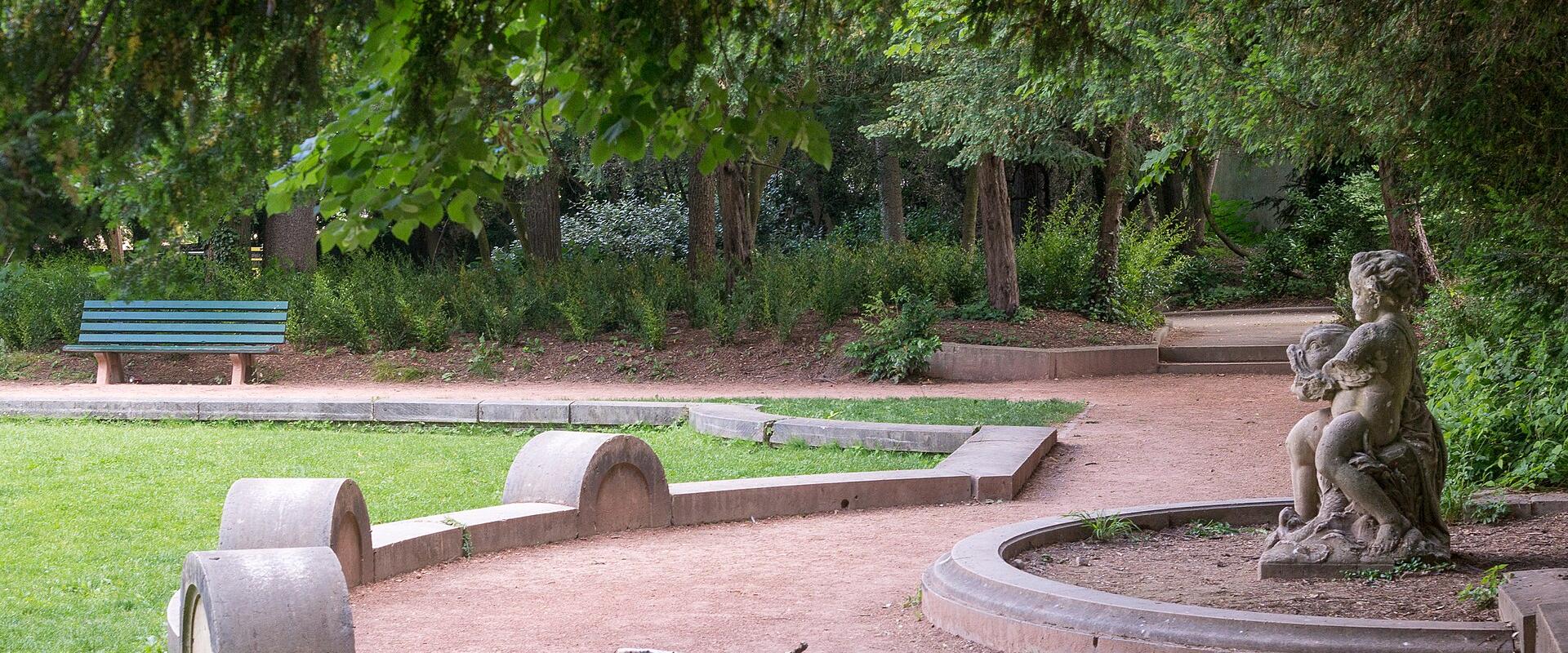
A Parc de la Cerisaie is best known in Lyon, where a park of that name occupies the slopes of the Croix-Rousse hill, and much of what is written about a park of this name belongs to that one rather than to Perpignan. Few details of a park of this name in Perpignan are documented, so this description covers both what is known of the Lyon park and the setting a visitor to Perpignan will find. The name means the cherry orchard, and parks and streets with this name usually mark old orchards or kitchen gardens that were later turned into public green space.
In Lyon, the Parc de la Cerisaie lies in the fourth arrondissement, on the slopes of the Croix-Rousse, the hill of the silk workers, reached through the Rue Chazière. It is a hillside park with lawns, terraces, exercise areas and winding paths, and it is known above all for its sculpture trail, with works by several well-known artists, among them the sculptor César, who is famous for his compressions and his large thumb, and the Greek artist Takis. A small vineyard, the Clos des Cans, is a reminder of the time when the slopes of Lyon were planted with vines and was reintroduced as a piece of heritage, and the park lies near the Villa Gillet, a house that hosts literary events. The views from the terraces take in the city and the Rhône. It is free to enter, with hours that change from winter to summer.
Perpignan, in French Catalonia, has its own character. The old centre of the city is dominated by the Castillet, the red-brick gate from the fourteenth century, which houses a museum of Catalan traditions, and by the Palais des rois de Majorque, the palace of the kings of Majorca, built from the 1270s, with its courtyards, chapels and keep. The cathedral of Saint-Jean, begun in 1324, has a wide Gothic nave and a collection of baroque altarpieces, and the Place de la Loge, with the old maritime exchange, the Loge de Mer, is the centre of social life. The city lies on the river Basse, and the snowy peak of the Canigó, the sacred mountain of the Catalans, can be seen from many parts of the town on clear days. Perpignan is known for its warm climate, with more than three hundred days of sunshine a year, its Catalan language and traditions, and festivals such as the Procession of the Sanch on Good Friday.
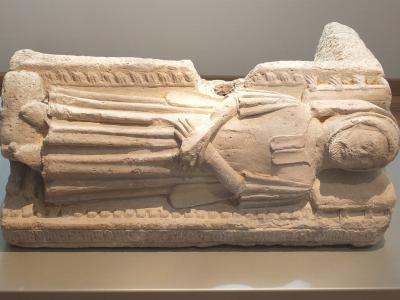
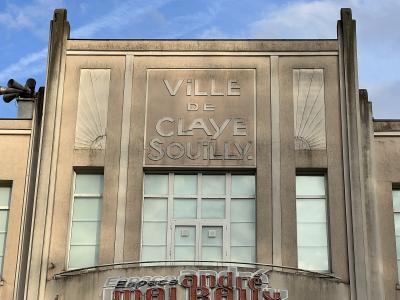
For green space in the town itself, visitors can walk along the banks of the Basse, where a promenade runs beside the water, and through the squares and gardens of the old quarter. The Musée Hyacinthe Rigaud, with its collection of Catalan art, and the Espace Malraux are close to the centre.
A park of this kind is a good place for a short break after sightseeing, and it suits families and walkers. Check locally for current opening hours and facilities.
Categories
More photos coming soon
Hours & Fees
- Open
- Open year-round; specific hours vary seasonally (e.g., 8am–7pm in winter, 8am–10pm in summer).
- Admission
- Free admission
Hours and prices change, especially out of season. Check with the venue before you go.
Nearby Attractions
Other places to visit in Perpignan
Musée Hyacinthe Rigaud
Baroque master’s birthplace in 18th-century mansions
Historic Architecture · Museums & Culture
Espace Malraux
Perpignan cultural center hosting diverse exhibitions
Museums & Culture
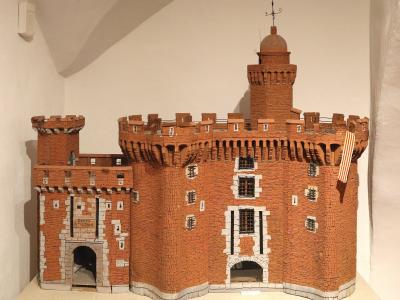
Castillet
14th-century red sandstone gateway and Occitan museum
From €2 Historic Architecture · History Museums
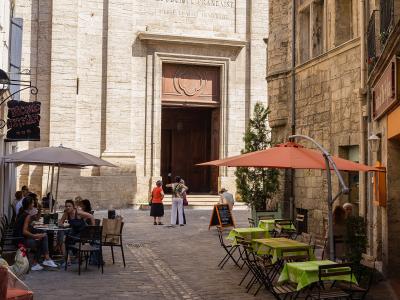
Collégiale Saint-Jean
13th-century Gothic cathedral with Baroque altarpiece
Free Architectural Landmarks · Churches
Questions people ask
Quick Facts
Best Time to Visit
Late April to mid-July and September offer warm, sunny weather and ideal conditions for exploration.