







- Where
- Arbois, Franche-Comté
- Directions
- Directions
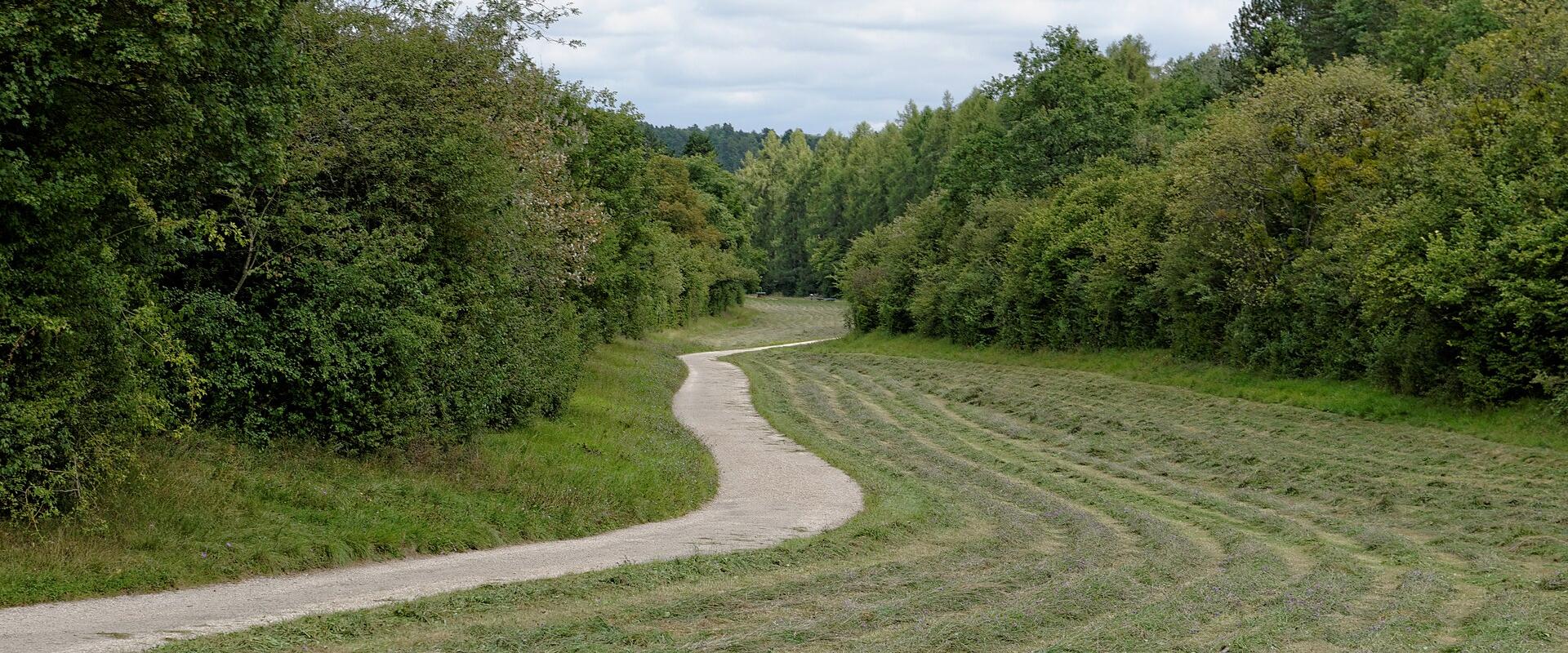
Arbois is a small town in the Jura, at the foot of the first slopes of the mountains, on the Cuisance river, and it is best known for the wines of its hillsides and for Louis Pasteur, who grew up here. The Parc de la Combe is a modest green space in that setting, and the way to appreciate it is through the town around it. The Jura vineyards, the river and the old streets create a landscape that rewards a slow walk, and a public park is a natural place to rest in the middle of it.
The word combe, in the Jura and other hilly regions of France, refers to a valley or hollow, typically a small, steep-sided dip in the hills, and it is a common name for places on the edge of the mountains. Arbois sits where the plain of the Bresse meets the plateau of the Jura, and the landscape around it is marked by such combes, the reculées, as the great blind valleys of the region are called, cut into the limestone. The Reculée des Planches, a few kilometres from the town, has waterfalls, caves and a dramatic cliff wall, and it is one of the most popular walks in the area.
The town has a distinctive character. Its old houses, with tall roofs of flat Burgundy-style tiles, line narrow streets leading to the Place de l'Hôtel de Ville, and the Cuisance flows through the centre beneath old stone bridges, past former tanneries and mills. The Église Saint-Just, with its bell tower topped by an onion dome, typical of the Franche-Comté, dominates the skyline. The house where Pasteur grew up, and where he returned each year to carry out experiments and make wine, is open as a museum, with his laboratory and the vineyard he planted. The wine museum, in the Château Pécauld, explains the history of the vineyards.
The wine itself is a pleasure. Arbois produces whites from Chardonnay and Savagnin, reds from Poulsard, Trousseau and Pinot Noir, and rosés, as well as the specialities of the Jura, the golden Vin Jaune and the sweet Vin de Paille. The soils are a patchwork of marl, clay and limestone in red, grey and blue shades, which gives the wines their variety. The village of Pupillin, a few minutes away, is known for natural wine, and many growers in the area offer tastings. In September, the Fête du Biou celebrates the grape harvest.
A stroll in the park is a gentle way to spend half an hour, to rest between visits to the museums and cellars, or to have a picnic with local cheese, such as Comté, and bread. The park suits families, walkers and wine lovers, and it is easy to include in a day in Arbois. Check locally for the best route and for any events.
Categories
More photos coming soon
Nearby Attractions
Other places to visit in Arbois
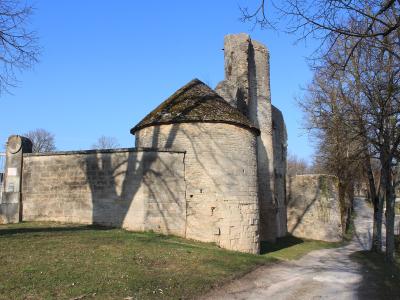
Château des ducs de Bourgogne
13th-century fortress ruins in Arbois
Historic Architecture
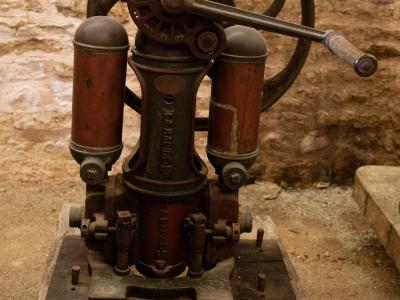
Musée du Vin et du Pays Arboisien
Château Pécauld museum tracing 1,000 years of Jura viticu...
Food & Wine · Historic Architecture
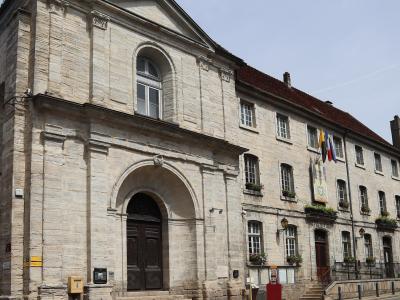
Place de l'Hôtel de Ville
Town hall square in the Jura wine capital
Historic Towns · Squares
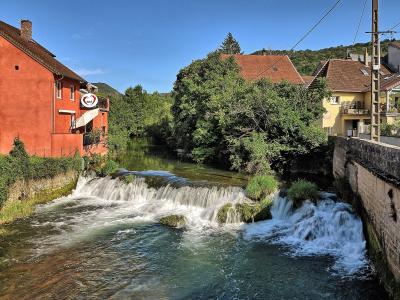
Pont de la Cuisance
Stone bridge spanning the River Cuisance in Arbois
Free Historic Architecture · Urban Exploration
Questions people ask
Quick Facts
Best Time to Visit
Late June to early September offers warm weather and ideal conditions for vineyard exploration and wine tasting.