







- Hours
- Guided tour: 2 hours
- Where
- Lyon, Rhône-Alpes
- Directions
- Directions
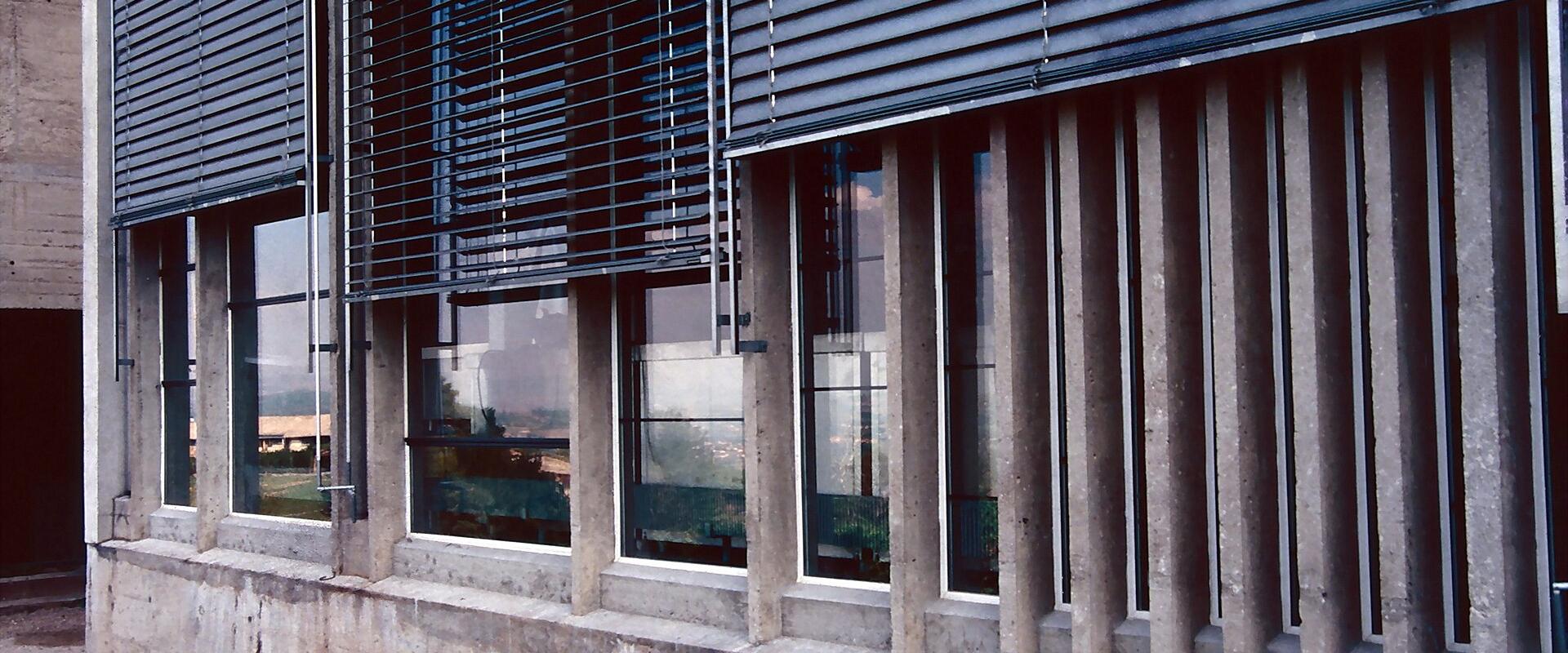
The Couvent Sainte-Marie de La Tourette is a monastery designed by Le Corbusier, and it stands on a wooded hillside in the commune of Éveux, near L'Arbresle, about twenty kilometres north-west of Lyon. It is in Éveux, not Oullins. It was built between 1953 and 1960 for the Dominican order, whose friars asked the architect to design a house for around a hundred members, with a church, a library, classrooms, a refectory and individual cells. Le Corbusier, who was not a believer, took on the task with enthusiasm, and the result is one of the great buildings of the twentieth century, which has been inscribed on the UNESCO World Heritage List since 2016 as part of his work.
The design is based on a simple geometry. The building is a rectangle of raw concrete, the béton brut that Le Corbusier made famous, raised on pillars called pilotis above the slope of the hill, so that the ground flows underneath it. The three wings enclose a central courtyard, and the church, a plain concrete box, stands on the north side. The friars' cells are arranged in a long row on the upper floors, each with a small loggia that looks out over the landscape, and they were designed according to the proportions of a system that the architect invented, the Modulor, based on the human body. The scale is human and austere, in keeping with monastic life.
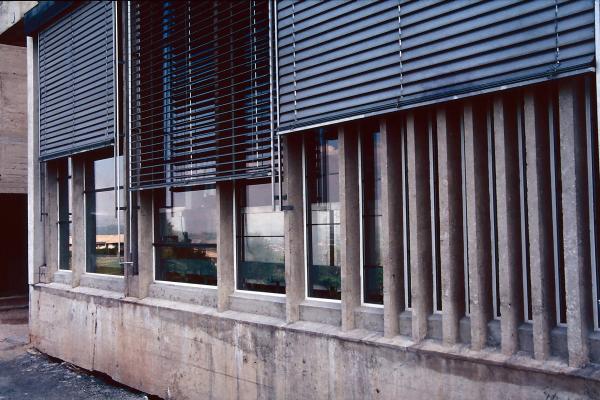
The building is remarkable for its light. Le Corbusier worked with the engineer and composer Iannis Xenakis, who designed the pans de verre ondulatoires, the glass walls with vertical mullions at irregular intervals that run along the corridors and create a rhythm like a musical score. In the church, the light comes in through strange openings called light cannons, which are concrete tubes set in the roof and the walls that direct beams of coloured light onto the altar and the side chapel, giving the space a mysterious atmosphere. The crypt has curving walls that echo the sound. The raw concrete has aged and weathered, and some visitors find it harsh, while others find it deeply moving.
The convent is still a working monastery, and a community of Dominicans lives here, so it can be visited only on guided tours, which last about two hours, and visits must be booked in advance. Visitors can also stay in the guest cells for a retreat, which is a chance to experience the building from the inside. Tours explain the history, the architecture and the way of life, and they walk through the cloister, the church, the refectory, the corridors and the roof terrace, from which there are views of the green hills. The setting is quiet and green, with fields and woods, and the access is by road.
The convent is a pilgrimage site for architects and students of design from all over the world. It lies in the countryside, well away from the centre of Lyon, so a car or a train to L'Arbresle and a taxi are needed. In Lyon, the Basilica of Notre-Dame de Fourvière, the Musée des Beaux-Arts and the Musée des Confluences are other places to see. The visit suits anyone interested in modern architecture.
Categories
More photos coming soon
Opening Hours
- Open
- Guided tour: 2 hours
Hours and prices change, especially out of season. Check with the venue before you go.
Nearby Attractions
Other places to visit in Lyon
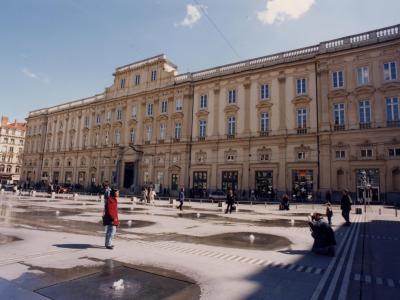
Musée des Beaux-Arts de Lyon
France's second-largest museum in a 17th-century abbey
Historic Architecture · Museums & Culture
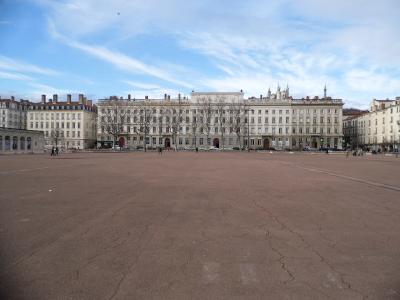
Place Bellecour
Europe's largest pedestrian square with red laterite paving
Free City Centers · Heritage Trails
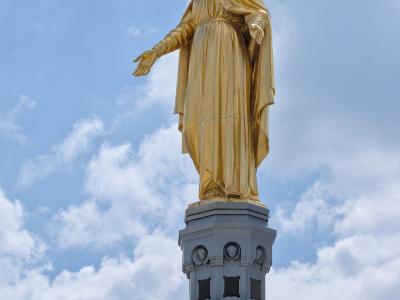
Basilica of Notre-Dame de Fourvière
19th-century basilica with panoramic Lyon views
Architectural Landmarks · Churches
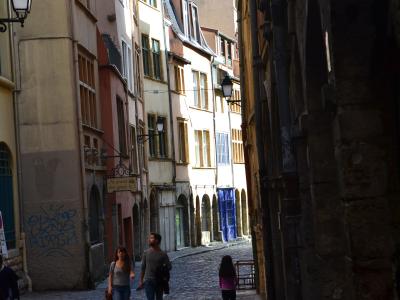
Vieux Lyon (Old Lyon)
UNESCO Renaissance district with hidden traboules
Guided Experiences · Historic Architecture
Questions people ask
Quick Facts
Best Time to Visit
May to June and September to October offer mild weather and ideal conditions for outdoor activities and sightseeing.