







- Admission
- Free
- Where
- Grenoble, Rhône-Alpes
- Directions
- Directions
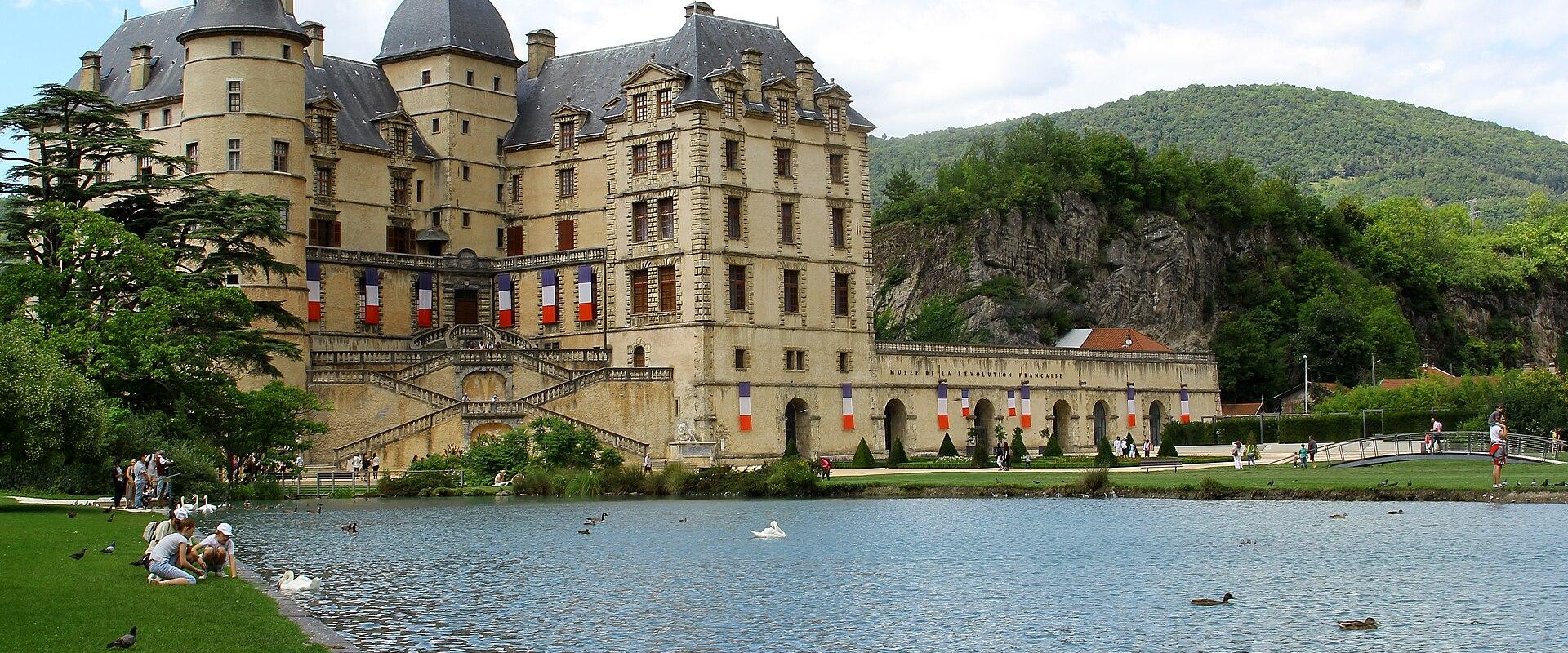
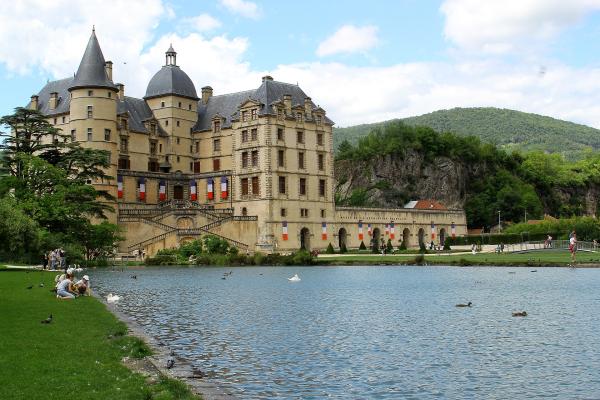
The Château de Vizille stands about fifteen kilometres south of Grenoble, in the foothills of the Dauphiné Alps, and its park is a pleasant place for a day out, with a long history behind it. The château was built in the early seventeenth century by François de Bonne, Duke of Lesdiguières, a powerful Protestant military leader who rose to become Constable of France, the highest military rank in the kingdom, and who ruled the Dauphiné almost as a prince. He turned Vizille into a magnificent residence with a Renaissance façade, and he laid out gardens and a large park around it. The estate was later owned by many families, burned in 1865 in a fire that destroyed part of the buildings, and was acquired by the state in the twentieth century.
The château has a special place in French history because of what happened here on 21 July 1788. At that time the French king was facing a financial crisis and was trying to reduce the privileges of the nobility, and the parliament of Grenoble refused to submit. Representatives of the three orders of the Dauphiné, the clergy, the nobility and the commoners, met at Vizille, in a room that was used for playing the jeu de paume, a forerunner of tennis, and called for the meeting of the Estates General of the whole kingdom. The meeting is regarded as a prelude to the French Revolution, and it earned the château the name of the cradle of the Revolution. A tree-lined terrace now marks the spot of the room, which was destroyed in the nineteenth-century fire.
Since 1984 the château has housed the Musée de la Révolution française, which presents the revolutionary period through paintings, sculptures, ceramics, tapestries, engravings and objects, from the old regime to the Third Republic. It covers the artistic and cultural changes of the Enlightenment and Romanticism and the political upheavals of the time. The museum is open daily except Tuesday, with a midday break, and charges an admission fee, while the park is free.
The park is the main attraction for a stroll. It is laid out on the original grounds, with a large lake, canals lined by trees, formal flower beds, a rose garden and woods with bridle paths. It also doubles as a wildlife park where swans, ducks, herons and a herd of deer live in the open, and the animals are used to visitors, so children enjoy seeing them. The paths are flat and easy to follow, and benches and lawns provide places for a picnic. Rules ask visitors not to bring pets, other than guide dogs, bicycles or motor vehicles, and opening times differ between spring, summer and autumn, with some days closed, so check the calendar.
A visit to the park takes one to two hours, and the museum another hour or two. Grenoble, with its Place Grenette, the Musée de Grenoble and the Bastille cable cars, is a short drive or bus ride away. The park suits families, walkers and anyone interested in the history of the Revolution.
More photos coming soon
Admission Fees
- Admission
- Free
Hours and prices change, especially out of season. Check with the venue before you go.
Nearby Attractions
Other places to visit in Grenoble
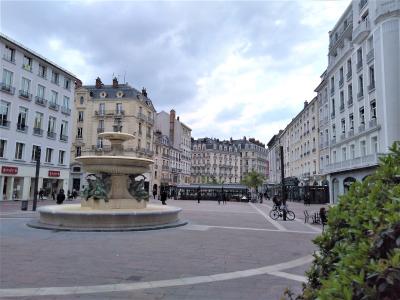
Place Grenette
Grenoble's historic market square with a 1825 fountain
Free City Centers · Heritage Trails
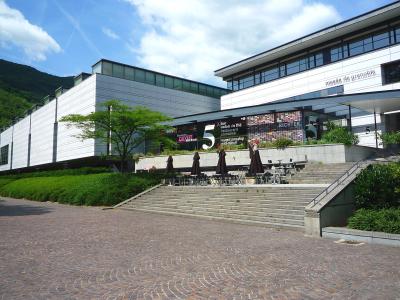
Musée de Grenoble
Major museum of Western painting from 13th to 20th century
Museums & Culture · Art Museums
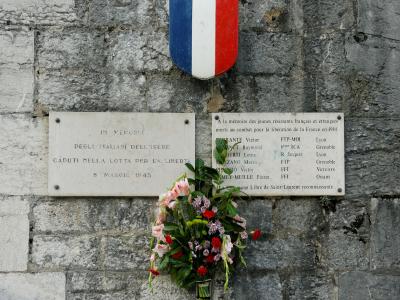
Le Quartier Saint-Laurent
Archaeological museum with 6th-century crypt
Free Churches · Heritage Trails
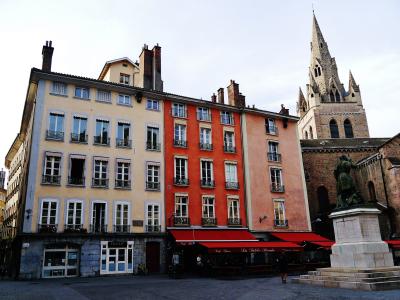
Place Saint-André
Historic square with Bayard statue and 1739 café
Free Churches · City Centers
Questions people ask
Quick Facts
Best Time to Visit
May to September for hiking and sightseeing; December to March for winter sports.