







- Where
- Valence, Rhône-Alpes
- Directions
- Directions
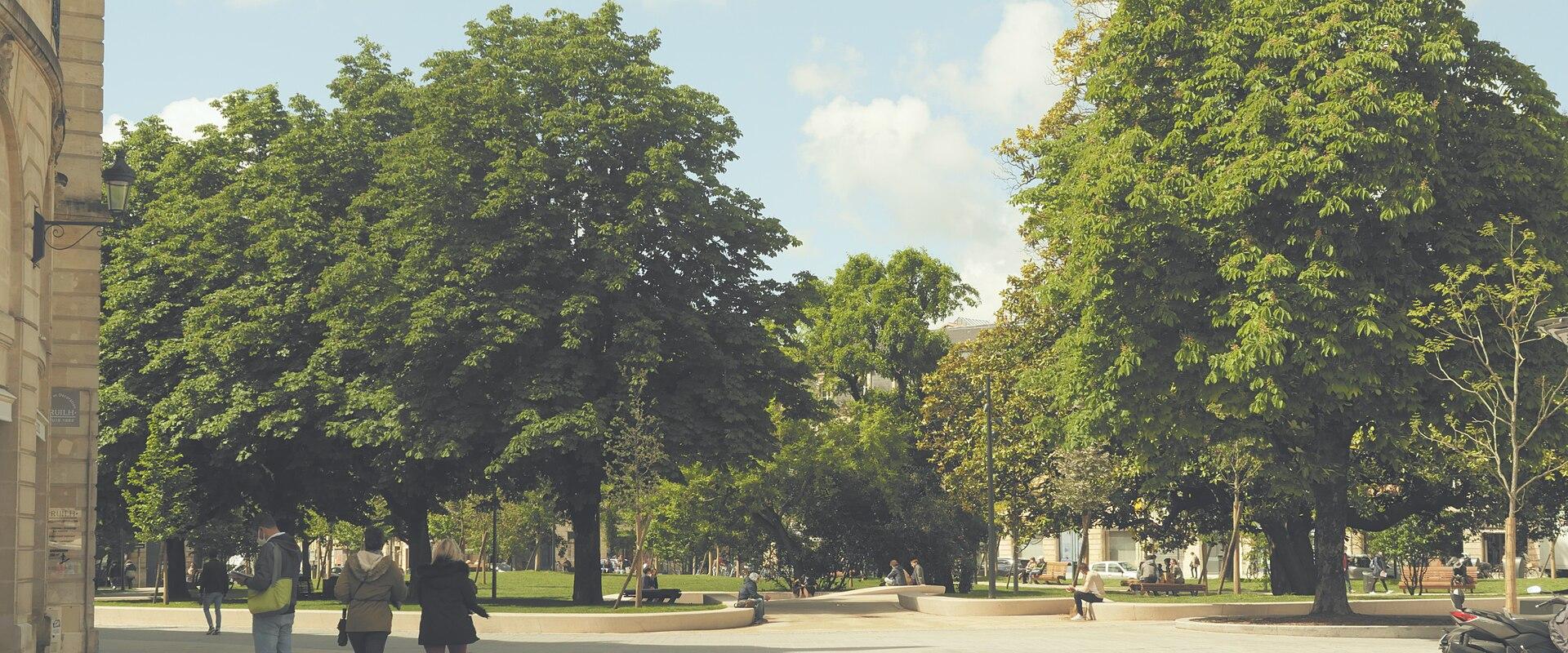
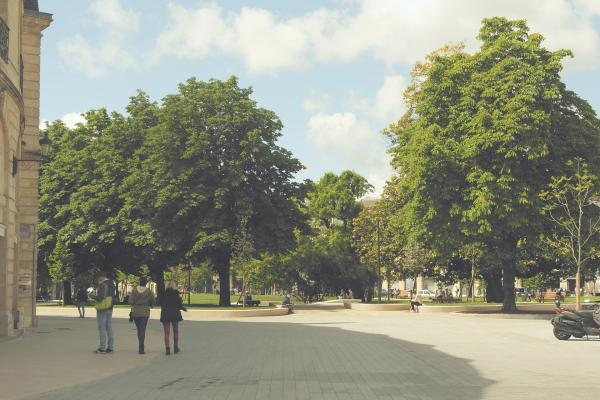
Valence is a town on the east bank of the Rhône, about a hundred kilometres south of Lyon, where the valley opens towards Provence and the light begins to change. Like many French towns, it has a central square named after Léon Gambetta, the republican politician who proclaimed the Third Republic in 1870 and rallied resistance in the war against Prussia. Squares bearing his name are found across the country, and in Valence the Place Gambetta is one of the open spaces of the city centre, a meeting point on the way between the old town, the shopping streets and the gardens.
The square is best seen as part of a walk through the old centre. Valence has a compact historic quarter, built on a terrace above the river, with narrow lanes, townhouses of the sixteenth to eighteenth centuries and small squares. The most prominent monument is the Cathédrale Saint-Apollinaire, a Romanesque church consecrated in 1099 by Pope Urban II, who was in France to preach the First Crusade. Its square tower and plain, strong forms are typical of the style of the Rhône valley, and its interior is calm and austere. Near it stands the Maison des Têtes, a Renaissance house of 1532 whose façade is decorated with carved busts and medallions, among them figures from antiquity and the four seasons. Close by, the Pendentif, a curious funerary monument of the seventeenth century in the form of a dome supported on four arches, is a rare survival.
The nearby Champ de Mars is a long terrace garden with palm trees and a bandstand, on the edge of the old town, and it commands the finest view in Valence. From its balustrade, the Rhône flows past below, and across the water rises the ridge of the Ardèche hills, with the ruined castle of Crussol perched on its crest above the town of Saint-Péray. In the garden stands the Kiosque Peynet, a small pavilion dedicated to Raymond Peynet, the illustrator famous for his drawings of the Lovers, a young poet and his violinist companion, who lived and worked in Valence; a statue of the couple sits on the kiosk. The Parc Jouvet, a landscaped park beside it, adds more greenery.
Valence is also a good base for tasting. It lies at the gateway to the northern Rhône wine region, and the appellations of Saint-Joseph, Cornas, Crozes-Hermitage and Hermitage lie a short drive to the north on the hills above the river. The town has its own specialities, among them the Suisse, a sweet biscuit, and the nearby town of Romans-sur-Isère is known for the pogne, a brioche. Markets are held in the squares of the old town on several mornings a week, and the cafés around the centre are lively in the evening. The Théâtre de Valence and the cultural centres add an arts programme.
The square suits those who like to explore small provincial cities at their own pace. Allow an hour or two for the square and the surrounding streets, and add time for the cathedral and the Champ de Mars. Valence is easily reached by train, with the high-speed line passing through, and it is a good stop between Lyon and Avignon.
Categories
More photos coming soon
Nearby Attractions
Other places to visit in Valence
Colline de la Croix
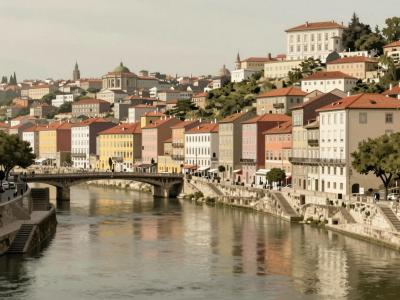
Panoramic viewpoint of Valence and the Rhône
Nature & Parks
Théâtre de Valence
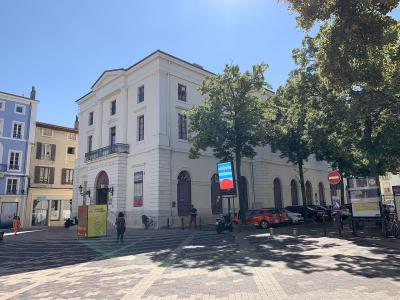
1837 Italian-style theatre in Valence
Museums & Culture
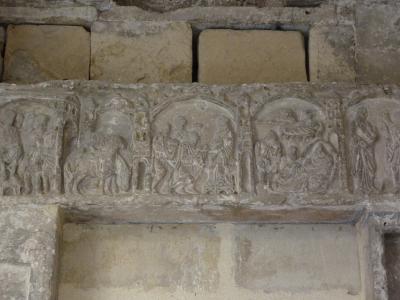
Cathédrale Saint-Apollinaire
Valence's oldest monument, listed historic site
Churches · Historic Towns
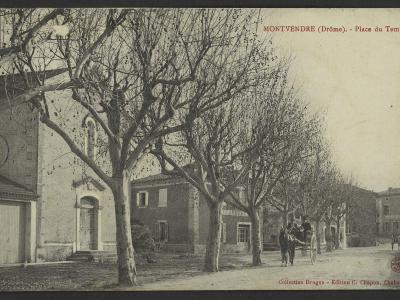
Bastide de Montvendre
Historic bastide in Montvendre, Drome
Gardens · Villages
Questions people ask
Quick Facts
Best Time to Visit
April to June and September to October offer mild weather and fewer crowds for optimal exploration.