







- Where
- Marseille, Provence-Alpes-Côte d'Azur
- Directions
- Directions
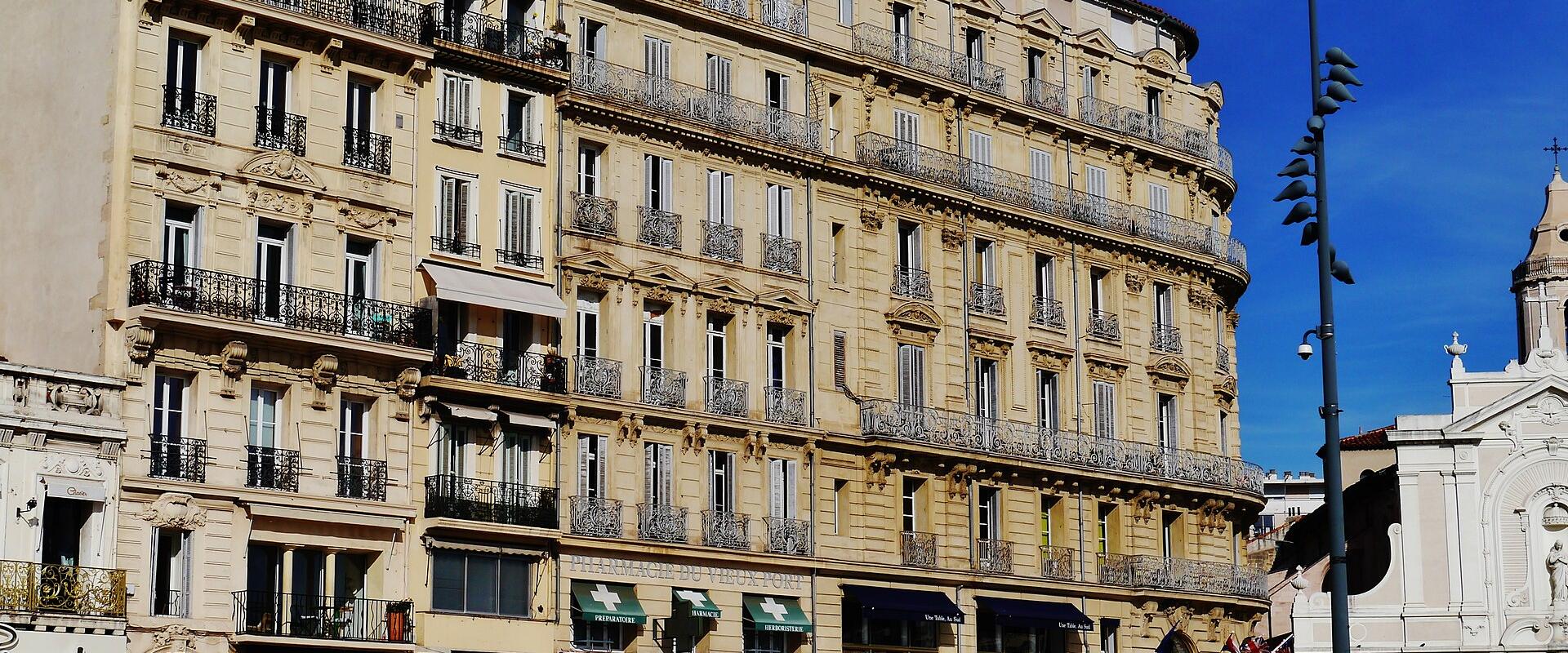
The Quai du Port is the waterfront on the north side of the Vieux-Port of Marseille, and the old harbour is the place where the city began and where it still meets. According to the founding legend, a band of Greek sailors from Phocaea in Asia Minor landed in a creek called the Lacydon, in about 600 BC, and the leader Protis married the daughter of the local Ligurian chief, Gyptis, who chose him with a cup of water. The colony of Massalia that grew up on the shores of the creek became one of the great trading ports of the ancient Mediterranean, and the Vieux-Port is its descendant. The creek, which was much longer in antiquity, is now a rectangular basin about a kilometre long, closed to the south by the Quai de Rive Neuve and open to the sea to the west, between two forts.
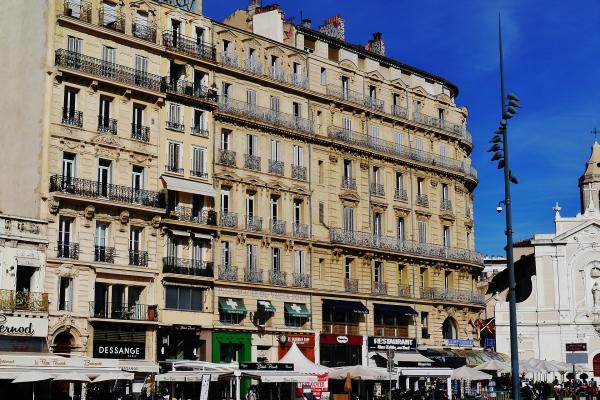
The entrance is guarded by the Fort Saint-Jean, on the north side, and the Fort Saint-Nicolas, on the south side, built in the seventeenth century by Louis XIV, partly to defend the harbour and partly to keep watch on the unruly city. The north quay, the Quai du Port, is lined with tall buildings of the seventeenth to nineteenth centuries, which hold cafés, restaurants and the town hall, a handsome baroque building of 1663 with sculpture by Pierre Puget's family, and from there the steep streets of the Panier rise toward the Cathédrale La Major. The church of Saint-Ferréol les Augustins, with its Gothic and Baroque features, stands at the head of the port, near the start of the Canebière, the famous avenue that leads away from the harbour into the town.
The port is a place for strolling and for watching the life of the water. Hundreds of small boats and yachts fill the basin, and ferries and tour boats depart for the island of the Château d'If and the Frioul islands, and for trips to the Calanques, the white limestone inlets along the coast. At the head of the port, on the Quai des Belges, a fish market takes place every morning, where fishermen sell the catch directly from their boats, a tradition that has been kept for generations and is a lively sight. The restaurants of the quays serve the speciality of the city, the bouillabaisse, the rich fish soup that has its own charter, and the aperitif of the town, pastis, the aniseed drink, is on every table. A large mirrored canopy by the architect Norman Foster, installed in 2013 when Marseille was European Capital of Culture, stands on the quay, and the reflection of the crowd in the polished steel is a popular subject for photographs.
The quays are open at all hours and free, and they are best visited in the morning, for the fish market, and in the evening, when the lights come on and the Basilique Notre-Dame de la Garde glows on its hill above. The Petit train de Marseille and bicycle and segway tours start from here. A walk along the full length takes about half an hour. The harbour is the starting point for visiting Le Panier, the MuCEM and the Corniche. It suits everyone who visits Marseille.
Categories
More photos coming soon
Nearby Attractions
Other places to visit in Marseille
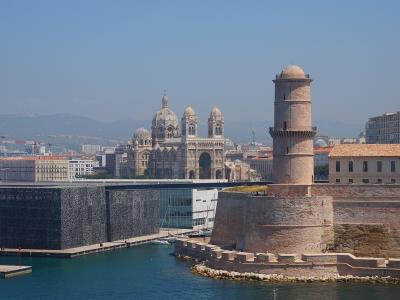
MuCEM (Museum of European and Mediterranean Civilisations)
Anthropological museum in Marseille's historic Fort Saint...
Historic Architecture · Museums & Culture
Basilique du Sacré-Cœur
Unfinished 1920 basilica with modernist aesthetic
Free Architectural Landmarks · Churches
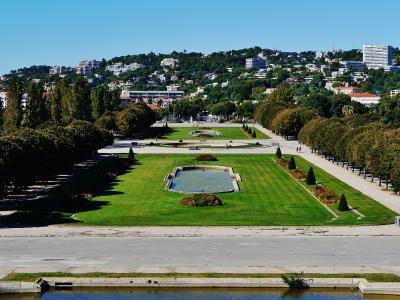
Parc Borély
Municipal park with gardens, lakes, and a castle
Free Gardens · Rivers & Lakes
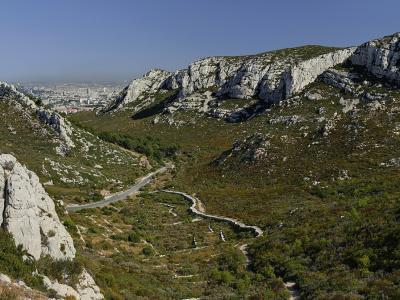
Calanques National Park
Europe's only land, sea, and urban national park
Free Beaches · Cliffs
Questions people ask
Quick Facts
Best Time to Visit
Late June to late August offers warm weather and ideal conditions for beach activities and sightseeing.