







- Where
- Chalon-sur-saone, Burgundy
- Directions
- Directions
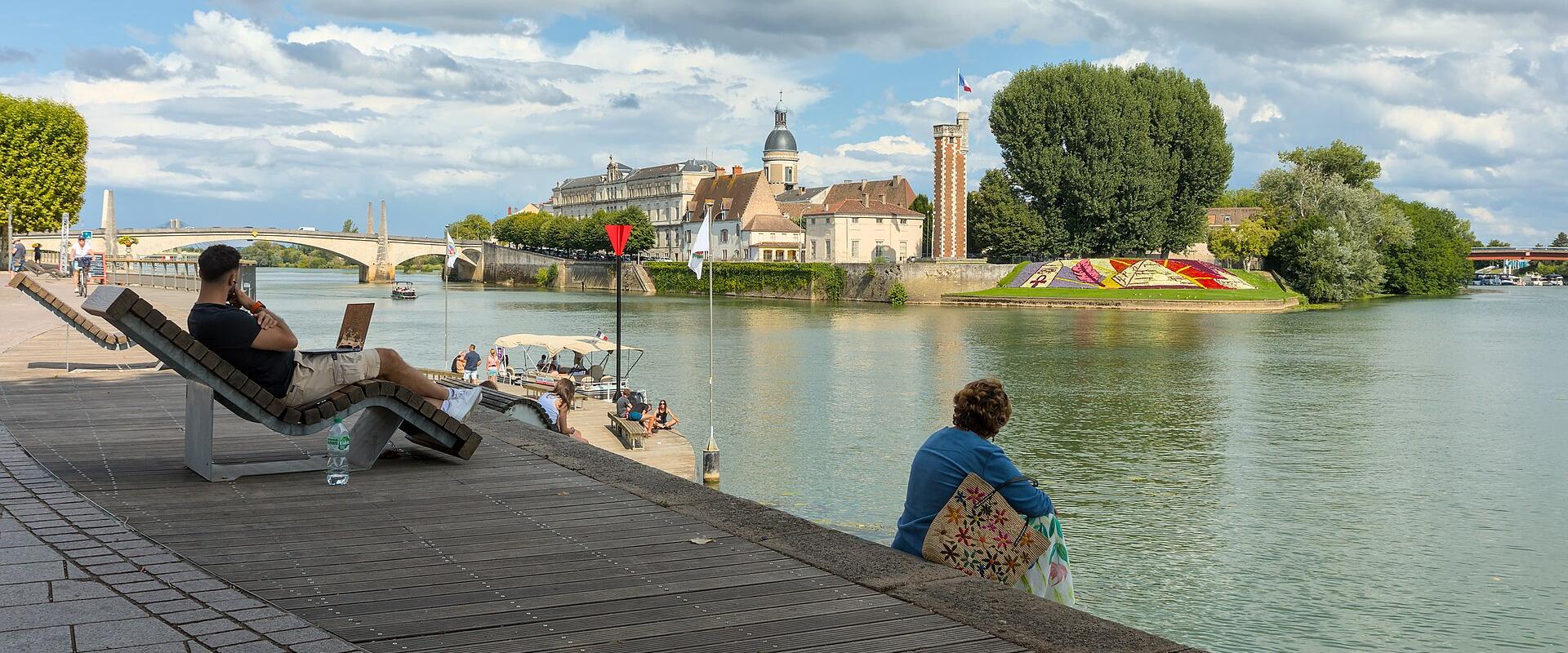
Chalon-sur-Saône owes its existence to the river. The Romans founded a trading port here, and for two thousand years the town has grown on the west bank of the Saône, where goods from Burgundy and the Mediterranean met. The quays along the river are the town's front door, and walking along them is the best way to understand why Chalon was a major river port. The Canal du Centre, which links the Saône to the Loire, begins at Chalon, and the quays are the place where the waterways of France meet.
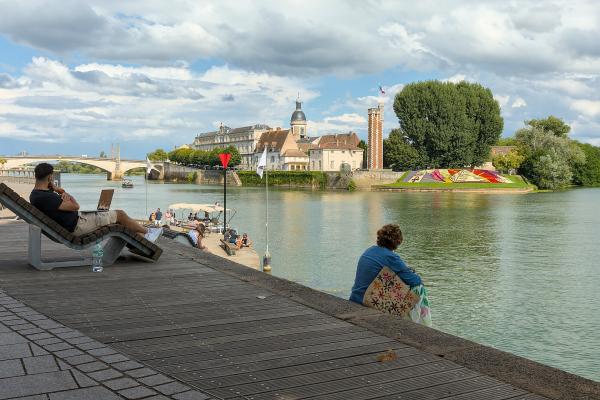
The riverside promenades run along the Quai des Messageries and the Quai Gambetta on the town side, with the Saint-Laurent island, an island in the river joined to the banks by bridges, in the middle. The river is wide and calm, with trees along the bank, and boats are moored at the port and the nearby marina, and river cruises call here in season. Anglers, joggers and cyclists share the paths, which are part of the longer route that follows the Saône and links to the Voie Bleue cycle route. On a clear day, the view across the water to the Île Saint-Laurent and its old houses is among the best in the town.
The quays also lead to Chalon's main museum of photography. Nicéphore Niépce, the inventor of photography, was born in Chalon in 1765, and the museum named after him stands on the Quai des Messageries, beside the river. It presents the history of photography from his early experiments in the 1820s, including the first photographic image, to the digital age, with a collection of early cameras and images. Chalon is also the home of Vivant Denon, the first director of the Louvre under Napoleon, whose name is carried by the fine arts museum in the old town, the Musée des Beaux-Arts et d'Archéologie.
The Île Saint-Laurent has a lively quarter of narrow lanes, old houses and small squares, and the old town on the other bank, around the Collégiale Notre-Dame and the Cathédrale Saint-Vincent, has medieval and Renaissance streets with timber-framed houses. The Hôtel de Ville stands in the centre. In July the town hosts a major street theatre festival, Chalon dans la rue, which transforms the quays and squares into stages for performers from around the world, and the town fills with spectators. The Marché de Chalon offers regional produce, including Burgundy cheeses and wines.
The quays suit walkers, cyclists, families and anyone who enjoys a river setting. Early morning and early evening are the best moments for light and calm, and a picnic on the bank is easy to arrange. Chalon is in the southern part of Burgundy, near the vineyards of the Côte Chalonnaise, including Rully, Mercurey and Givry, and a day on the quays can be combined with a tasting.
Categories
More photos coming soon
Nearby Attractions
Other places to visit in Chalon-sur-saone
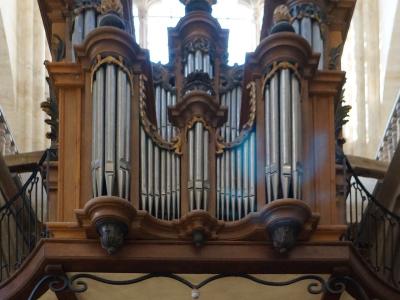
Collégiale Notre-Dame
12th-century collegiate church with 16th-century stained ...
Free Churches
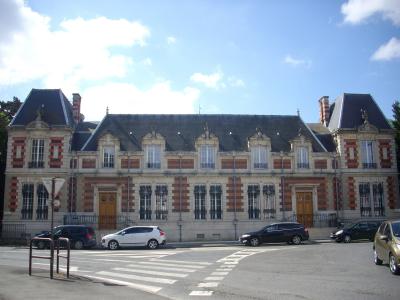
Marché de Chalon
Daily market in historic Chalon-sur-Saône
Free Urban Exploration
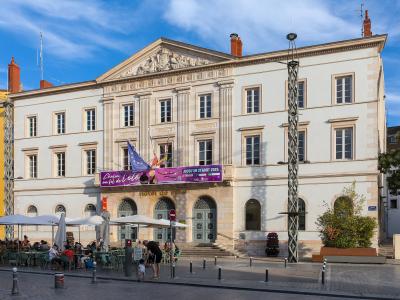
Hôtel de Ville (Town Hall)
19th-century neoclassical town hall
Historic Architecture
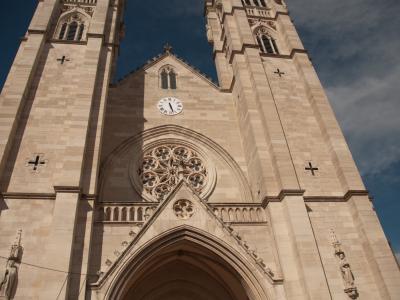
Église Saint-Vincent
Burgundy's only surviving canonical cloister
Historic Architecture · Museums & Culture
Questions people ask
Quick Facts
Best Time to Visit
Mid-June to mid-September offers warm weather and ideal conditions for outdoor activities and sightseeing.