







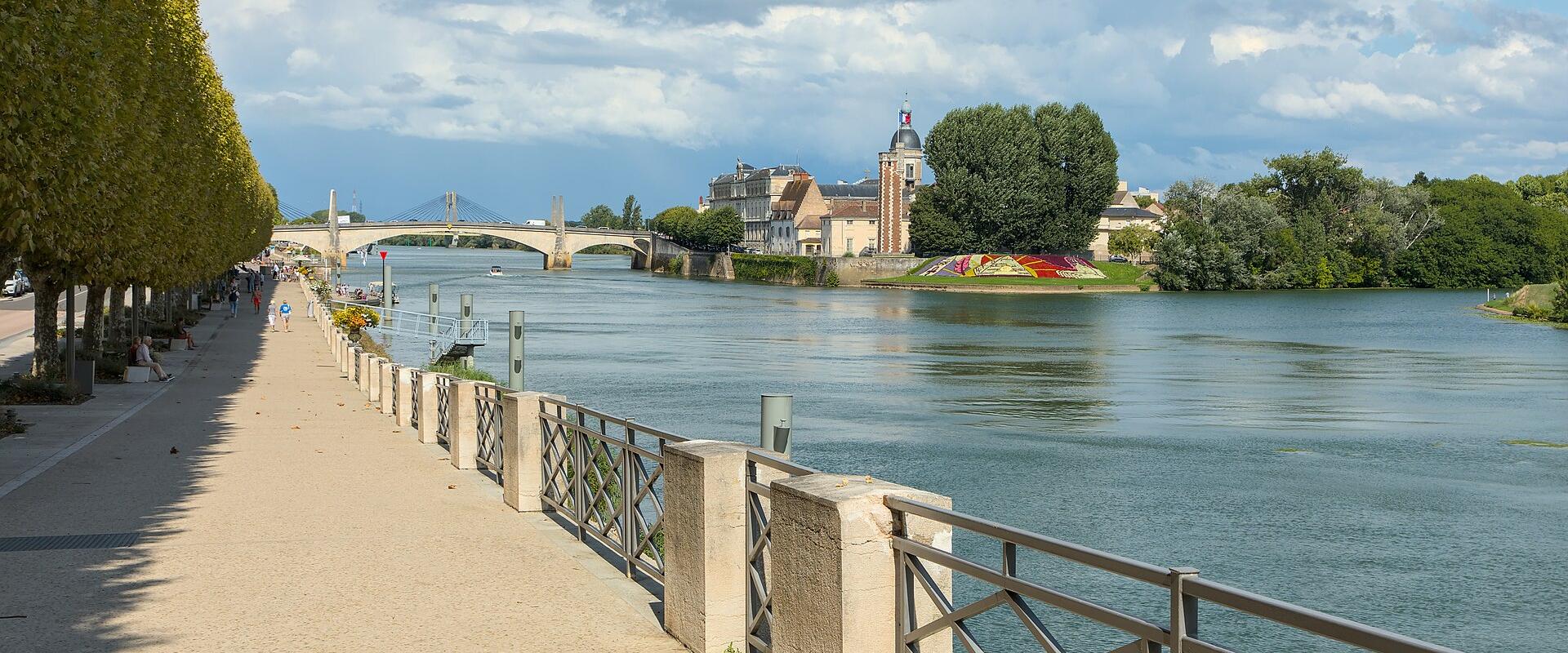
Chalon-sur-Saône, situated in the Saône-et-Loire department of eastern France, is a town with a profound historical and geographical identity. Historically, it was a significant settlement in the region of Burgundy, with roots dating back to Roman times, when it was known as Cabillonum and was an important river port. The town developed as a key trading post on the Saône River, facilitating commerce between the north and south of France. In the 19th century, Chalon became an important industrial center, particularly for the textile and chemical industries, and was a hub for the railway network. The town also holds the distinction of being the birthplace of Nicéphore Niépce, the inventor of photography, who lived and worked there. The French Revolution and subsequent industrialization brought changes, but Chalon retained much of its historic character. The town's layout is defined by the Saône River, with the old town featuring narrow streets, half-timbered houses and stone buildings. The local economy has traditionally been based on trade, industry and agriculture, with wine production in the surrounding Côte Chalonnaise region playing a significant role.
The main attractions in Chalon-sur-Saône reflect its religious, industrial and artistic heritage. The Cathédrale Saint-Vincent is the primary landmark, a Gothic structure with a distinctive 19th-century facade and a rich interior, and the Collégiale Notre-Dame and the Église Saint-Vincent, listed locally, belong to the same religious heritage. The Musée Nicéphore Niépce, located on the quay, showcases the history of photography and Niépce's contributions. The Musée Vivant Denon, the fine arts and archaeology museum, displays a collection of art and archaeology. The Quai des Messageries, along the Saône River, offers scenic views and opportunities for boat tours, while the Quais de Saône, the Pont de la Liberté and the Parc de la Saône are other places to walk. The Maison des Vins de Bourgogne provides insights into the local wine culture. The historic center features the Place de l'Hôtel de Ville and the Rue de la République, lined with shops and cafes, and the Hôtel de Ville is a neoclassical building. The Marché de Chalon adds to everyday sights, the market being held on several days of the week.
Chalon-sur-Saône offers various activities for visitors interested in history, wine and culture. Wine tasting is a central activity, with numerous cellars and cooperatives offering tours and tastings of Côte Chalonnaise wines. The town is a starting point for exploring the Burgundy wine route, with nearby villages like Mercurey and Givry easily accessible, and a cycle route, the Voie Verte, follows part of the old railway line. The Saône River offers opportunities for canoeing and kayaking. The local cuisine features Burgundian specialties, including beef bourguignon, coq au vin and local cheeses, and the Bresse poultry from the east is a regional pride. The town hosts various festivals throughout the year, including the Chalon Street Art Festival, officially Chalon dans la Rue, held in July. The nearby town of Autun is known for its Roman history and cathedral. The surrounding countryside offers opportunities for cycling and hiking.
Getting to Chalon-sur-Saône is convenient via train, with regular services from Paris and Lyon. The train station is located close to the city center, making it easily accessible. For those traveling by car, Chalon is accessible via the A6 motorway. The best time to visit is from mid-June to mid-September, when the weather is warm and pleasant, ideal for exploring the outdoor attractions and wine tasting. July and August are the warmest months, with average highs around 25°C, but also the busiest. Spring and autumn offer milder weather and fewer crowds, making them suitable for sightseeing and museum visits. Autumn is particularly popular for wine lovers due to the harvest season. Winter is cooler and quieter, offering a serene atmosphere for indoor museum visits.
Best time to visit
Mid-June to mid-September offers warm weather and ideal conditions for outdoor activities and sightseeing.
What to see in Chalon-sur-saone
Our picks first.
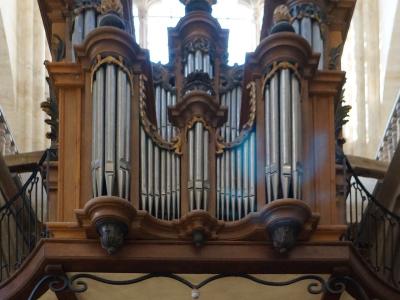
Collégiale Notre-Dame
12th-century collegiate church with 16th-century stained ...
Free Churches
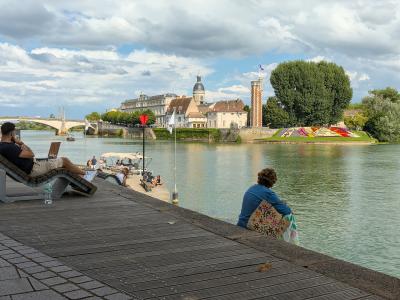
Quais de Saône
Riverfront quays along the Saône in Chalon
Historic Towns · Promenades
Marché de Chalon
Daily market in historic Chalon-sur-Saône
Free Urban Exploration
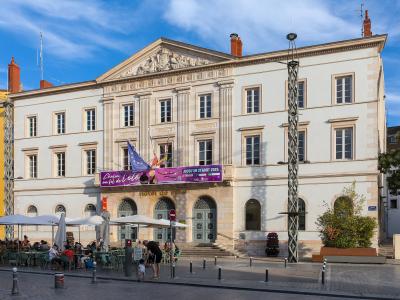
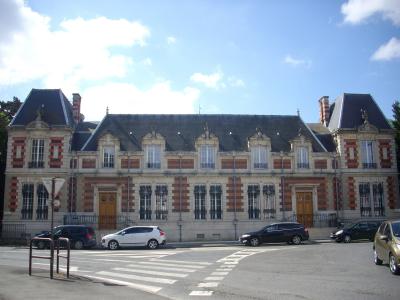
Hôtel de Ville (Town Hall)
19th-century neoclassical town hall
Historic Architecture
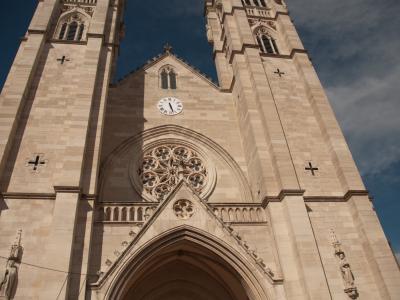
Église Saint-Vincent
Burgundy's only surviving canonical cloister
Historic Architecture · Museums & Culture
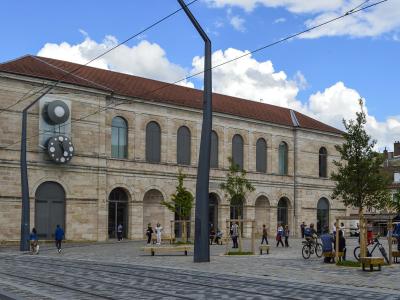
Musée des Beaux-Arts et d'Archéologie
Fine arts and archaeology museum in Chalon-sur-Saône
From €8 Museums & Culture
Chalon-sur-saone by interest
The same sights, grouped by what you came for.
Did you know?
Checked facts about Chalon-sur-saone, each with its source.
-
History
Chalon-sur-saone Preserves Medieval Heritage
The town offers a blend of medieval history, industrial past, and vibrant cultural life, with a lively quayside atmosphere.
Source: Visit Chalon-sur-Saône - Official tour guides - Visit France
Planning a visit to Chalon-sur-saone
Good to know
- Currency
- EUR
- Language
- French
Quick Facts
Book your stay
Questions people ask
More places in Burgundy
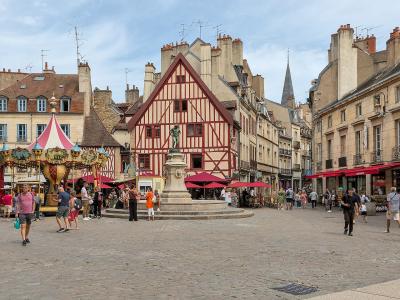
Burgundy
Dijon
Historic Burgundy capital known for ducal palace and mustard
Burgundy
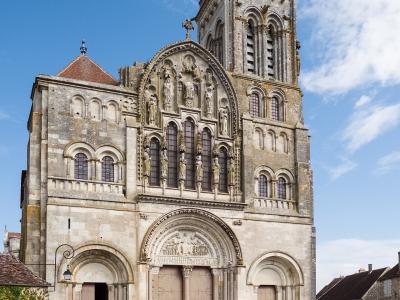
Vezelay
UNESCO hilltop village with Romanesque basilica in Burgundy
Burgundy
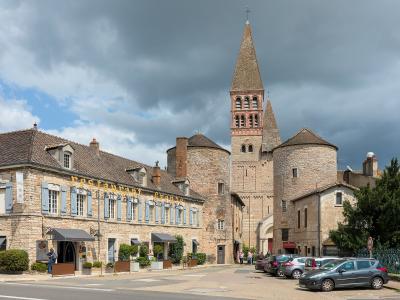
Tournus
Romanesque abbey town on the Saône River in Burgundy
Burgundy
Burgundy
Historic French region renowned for wine, castles, and cuisine