







- Admission
- Free admission
- Hours
- Daily 10:30 AM–6:30 PM
- Where
- Perpignan, Languedoc-Roussillon
- Directions
- Directions
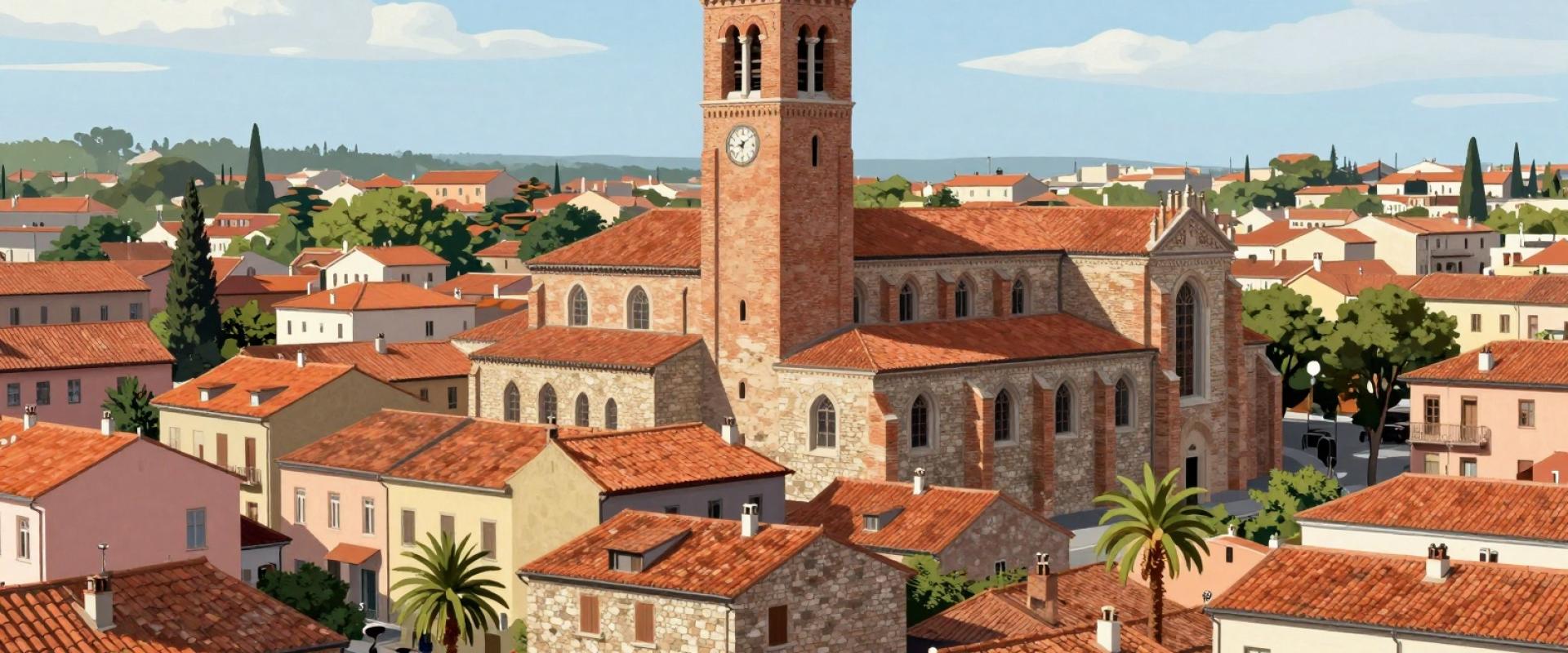
The old quarter of Perpignan is the historic centre of the main city of French Catalonia, a compact area of narrow streets, brick and stone houses and small squares that reflects the long period when the city was a capital. Perpignan was the capital of the Kingdom of Majorca between 1276 and 1344, a short-lived realm that stretched across the Balearic Islands, the Roussillon and Montpellier, and the kings of Majorca built a magnificent palace on the hill above the town. The city later passed to Aragon, and then to France in 1659, and the Catalan language and customs are still very much alive in the streets, with place names, shops and festivals that mark the identity of the region.
The Palau dels Reis de Mallorca, the Palace of the Kings of Majorca, is the major monument. It is a fortified palace of red brick with a large courtyard surrounded by two-storey galleries and with a chapel of two levels, an early Gothic masterpiece, and a high tower with views over the city. It was later reinforced by the French as part of the citadel and it is a museum and a monument today, and it does not house the departmental archives. A visit to the palace is a good way to understand the importance of the old kingdom.
At the other end of the quarter stands the Castillet, a fourteenth-century brick gatehouse with crenellated towers, which was part of the city's defences and later served as a prison, and which now houses a museum of Catalan popular traditions. Next to it, the Place de la Loge is the social centre of the quarter, with cafés and restaurants, and the Loge de Mer, a former merchants' exchange built in the fourteenth century, stands at its edge. The Cathédrale Saint-Jean-Baptiste, a large Gothic church of brick and stone begun in the fourteenth century, has a famous altarpiece, and next to it lies the Campo Santo, a medieval cemetery cloister, one of the few surviving examples in France. A natural history museum in the old town, at the Rue Fontaine-Neuve, offers an educational look at local wildlife.
The streets of the old town are lined with shops, bars and restaurants where you can sample Catalan food, among them cargolade, a dish of snails, and the sweet wine of Rivesaltes and fresh seafood from the nearby coast. The painter Salvador Dalí declared the railway station of Perpignan to be the centre of the universe, and the city celebrates the claim.
The quarter suits walkers, history lovers and those who want to know Catalan France. It is easily reached by bus, and a stroll around the main sights takes half a day. The Musée Hyacinthe Rigaud, the Espace Malraux and the Parc de la Cerisaie are close.
Categories
More photos coming soon
Hours & Fees
- Open
- Daily 10:30 AM–6:30 PM
- Admission
- Free admission
Hours and prices change, especially out of season. Check with the venue before you go.
Nearby Attractions
Other places to visit in Perpignan
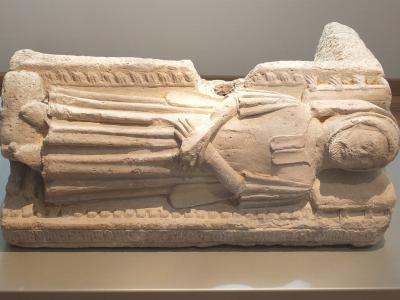
Musée Hyacinthe Rigaud
Baroque master’s birthplace in 18th-century mansions
Historic Architecture · Museums & Culture
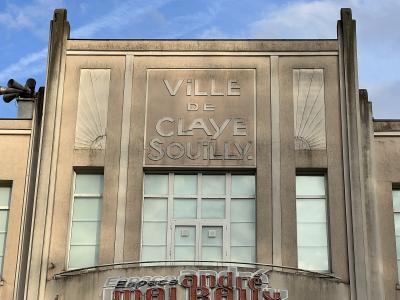
Espace Malraux
Perpignan cultural center hosting diverse exhibitions
Museums & Culture
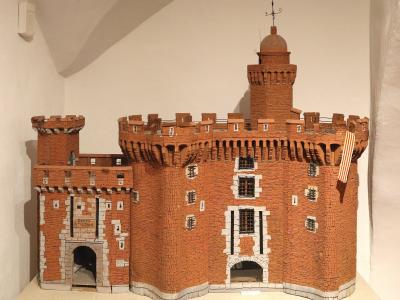
Castillet
14th-century red sandstone gateway and Occitan museum
From €2 Historic Architecture · History Museums
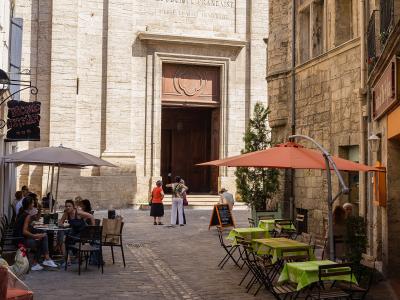
Collégiale Saint-Jean
13th-century Gothic cathedral with Baroque altarpiece
Free Architectural Landmarks · Churches
Questions people ask
Quick Facts
Best Time to Visit
Late April to mid-July and September offer warm, sunny weather and ideal conditions for exploration.