







- Where
- Paris, Île-de-France
- Directions
- Directions
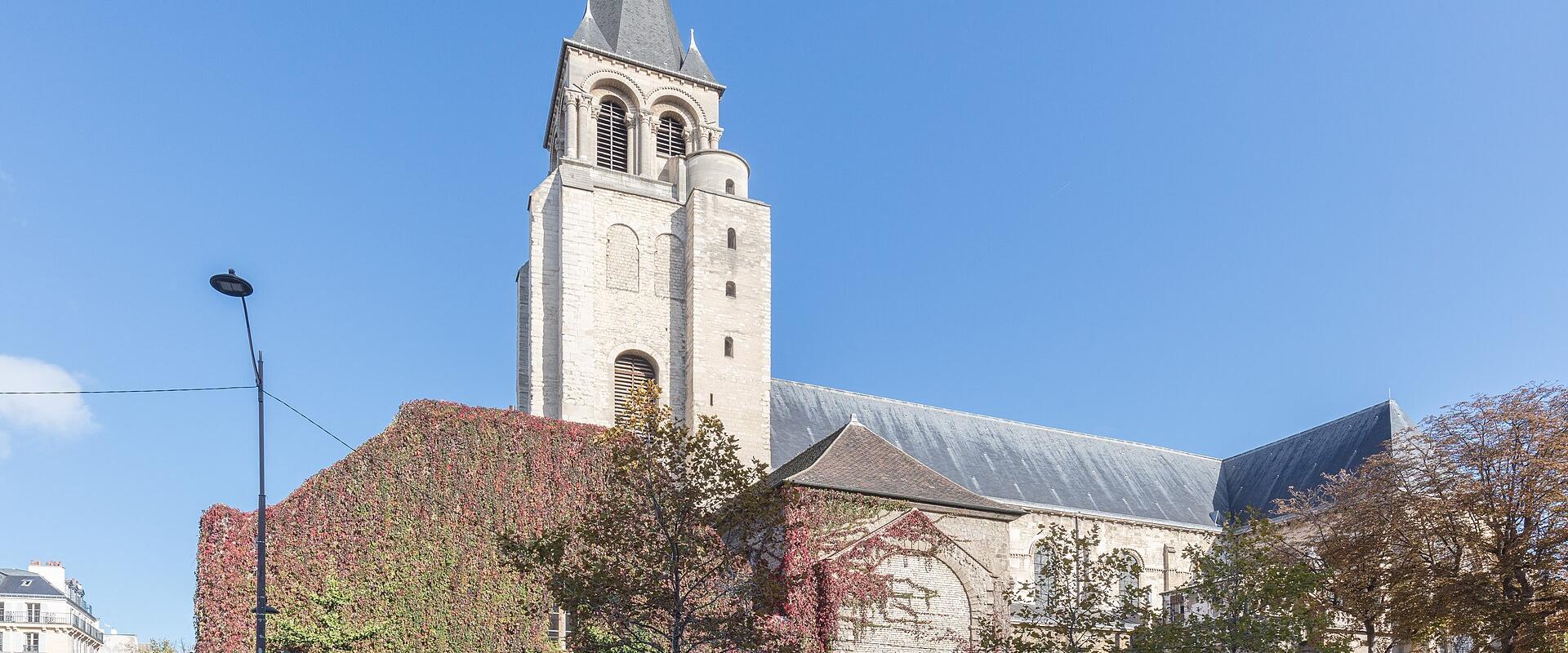
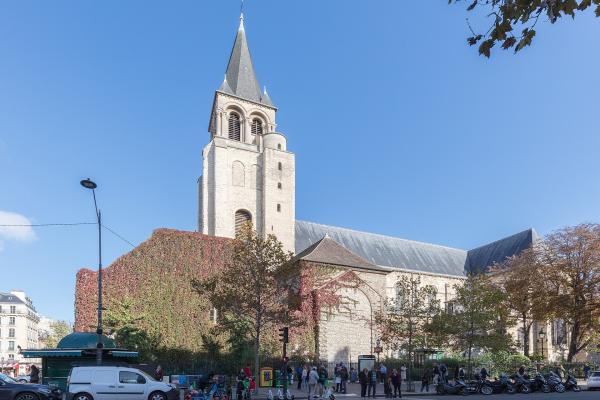
Saint-Germain-des-Prés is both a church and a neighbourhood, and the two together sum up the Left Bank of Paris. The church, on the Place Saint-Germain-des-Prés in the sixth arrondissement, is one of the oldest in the city. It was founded in the sixth century by the Merovingian king Childebert I as the church of an abbey, in the fields, the prés, outside the walls of Paris, and it became a Benedictine abbey that was a centre of learning and a royal burial place for centuries. The bell tower on the west front, built around the year 1000, is the oldest in Paris, and the nave is Romanesque, while the choir was rebuilt in the Gothic style in the twelfth century and consecrated in 1163 in the presence of Pope Alexander III.
The interior was decorated in the nineteenth century with a large cycle of wall paintings by Hippolyte Flandrin, a pupil of Ingres, in a style inspired by the Italian primitives and Byzantine art. A recent cleaning has brought back the colour of the murals, and the vaults are painted a deep blue and scattered with gold stars, an effect that makes the interior seem warm and rich. The church contains the tomb of the philosopher René Descartes, and the remains of other figures, as well as medieval frescoes and fragments of earlier buildings. Classical concerts are held in the church throughout the year, and in summer and at Christmas events fill the square around it.
The neighbourhood grew around the abbey and became a centre of intellectual and artistic life. In the middle of the twentieth century, after the Second World War, it was the home of the existentialists, among them Jean-Paul Sartre and Simone de Beauvoir, who wrote and talked in the cafés. The famous Café de Flore and Les Deux Magots, face each other across the square near the church, and the Brasserie Lipp is another institution. In the cellars of the quarter, jazz clubs attracted musicians and young people, and the writer and trumpeter Boris Vian was a symbol of the period. Today the quarter has art galleries, bookshops, fashion boutiques and restaurants, and the Boulevard Saint-Germain, laid out in the nineteenth century, is its main axis.
The church is free to enter, with guided tours available, and it is a place of worship. It suits lovers of history, art and literature, and it makes a good starting point for a stroll through the Left Bank toward the Luxembourg Gardens, the Seine and the Latin Quarter. Allow an hour for the church, more for the cafés.
More photos coming soon
Nearby Attractions
Other places to visit in Paris
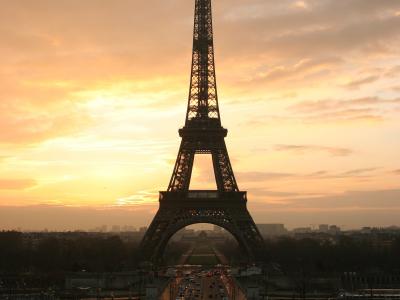
Eiffel Tower
324m iron lattice tower built for 1889 World's Fair
From €3.80 Historic Architecture · Towers
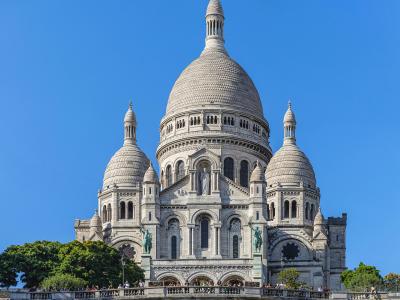
Montmartre and Sacré-Cœur
White basilica atop Montmartre hill
Free Guided Experiences · Historic Architecture
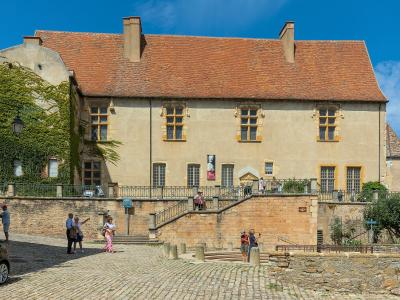
Cluny Museum (Musée de Cluny)
Medieval abbey and museum in Burgundy
From €8 Historic Architecture · Museums & Culture
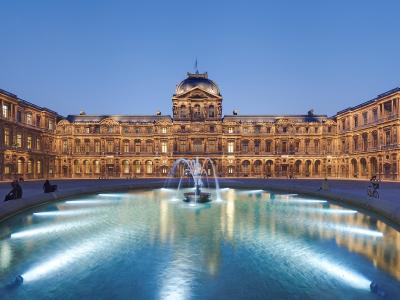
The Louvre Museum
World's largest art museum in historic Paris palace
From €22 Guided Experiences · Historic Architecture
Questions people ask
Quick Facts
Best Time to Visit
April to June and September to October offer mild weather and fewer crowds for optimal exploration.