







- Where
- Paris, Île-de-France
- Directions
- Directions
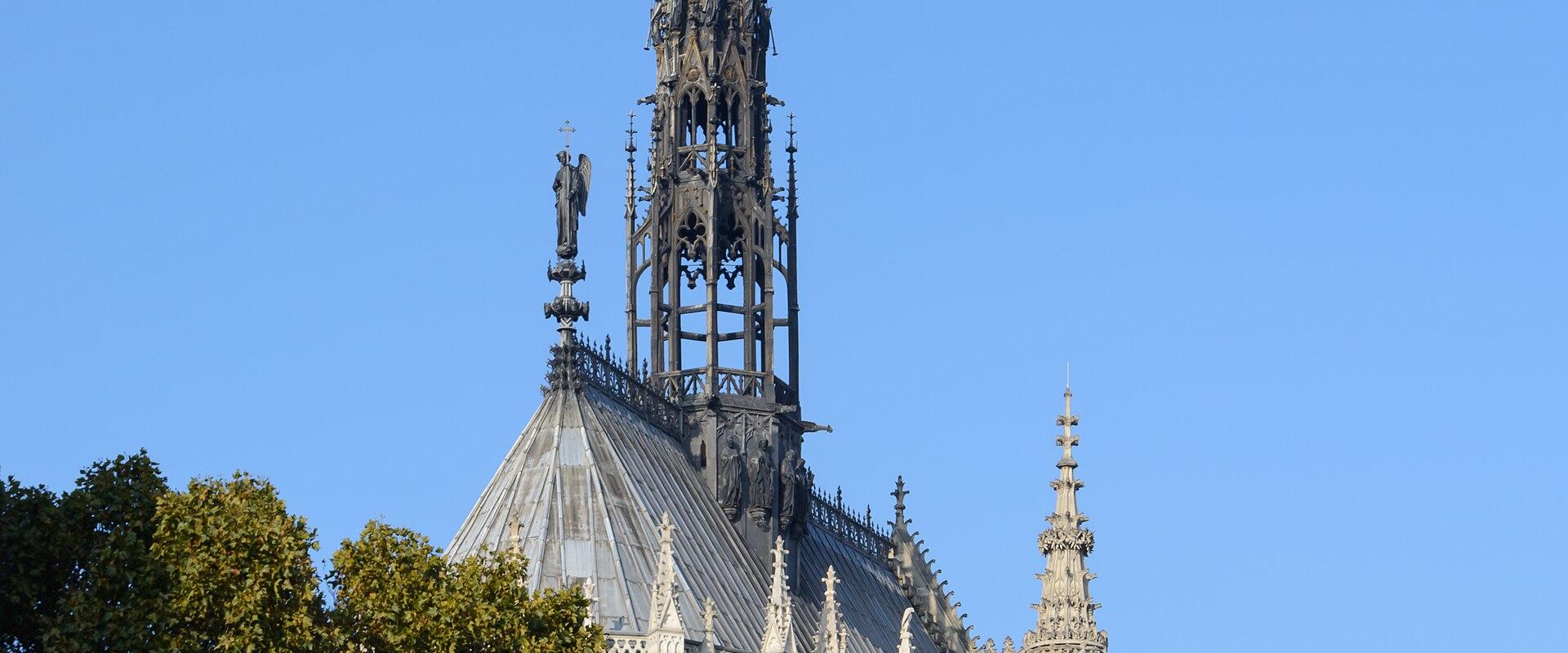
The Sainte-Chapelle stands inside the grounds of the Palais de la Cité, the old royal palace on the Île de la Cité in Paris, now occupied by the law courts, and it is one of the most beautiful Gothic buildings in the world. It was built for King Louis IX, later Saint Louis, between about 1242 and 1248, to house the Crown of Thorns and other relics of the Passion that he had bought from the Latin emperor of Constantinople, at a cost far greater than the building itself. The chapel was, in effect, a monumental reliquary, and the building is attributed to the architect Pierre de Montreuil, a leading master of the Rayonnant style.
The chapel is built on two levels. The lower chapel, with a low, vaulted ceiling supported by slim columns and painted in deep blues, reds and gold, was used by the palace staff and servants and serves as the entrance. A narrow spiral stair leads up to the upper chapel, which was reserved for the king, his family and the guests of the court. Here the effect is unforgettable. The walls are made almost entirely of stained glass, which rises in fifteen tall windows to a vault painted in blue and gold stars, and the stone supports are so slim that the windows seem to form the walls. On a bright day the colours of the glass, mostly deep reds and blues, fill the space with a moving light.
The windows contain more than a thousand scenes, which read from bottom to top and from left to right, telling the story of the Bible from the book of Genesis to the Apocalypse, and the history of the relics and their arrival in Paris. About two-thirds of the glass is original from the thirteenth century, which makes this one of the largest collections of medieval stained glass in the world. The great rose window at the west end, with its flamboyant tracery, was added in the late fifteenth century under Charles VIII. Look too at the statues of the apostles against the pillars, some of them restored, and at the carved canopy where the relics were once displayed.
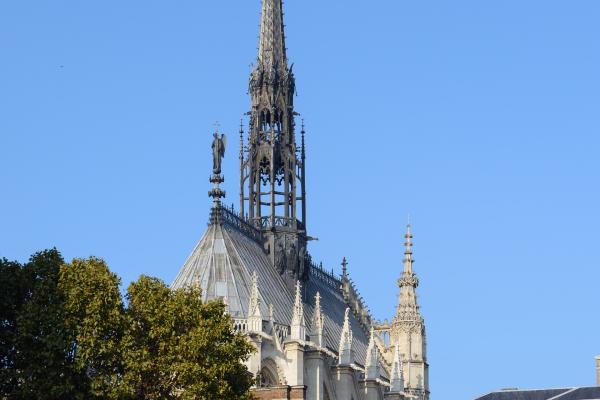
The chapel suffered during the Revolution, when it was stripped of its furnishings and used to store archives, and it was restored in the nineteenth century by architects including Félix Duban and Jean-Baptiste Lassus. The tall spire is a nineteenth-century reconstruction. Today it is a monument that people travel to see, and also a venue for evening concerts, which are among the best ways of seeing it, with music of the period in the glow of the glass.
Queues at the entrance can be long because of the security check, and entrance is by timed ticket, so book in advance and arrive early. The glass is at its best on a bright morning or afternoon. The visit takes about thirty to forty-five minutes. A combined ticket gives access to the nearby Conciergerie, the medieval prison and palace hall, and the chapel is close to the Cathédrale Notre-Dame, the flower market and the Pont Neuf. It suits everyone, and above all lovers of art, history and architecture.
Categories
More photos coming soon
Nearby Attractions
Other places to visit in Paris
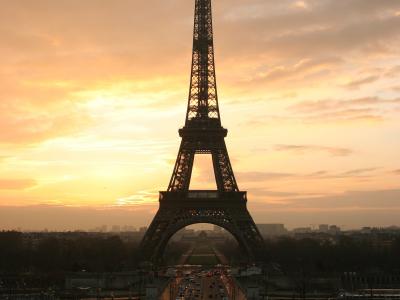
Eiffel Tower
324m iron lattice tower built for 1889 World's Fair
From €3.80 Historic Architecture · Towers
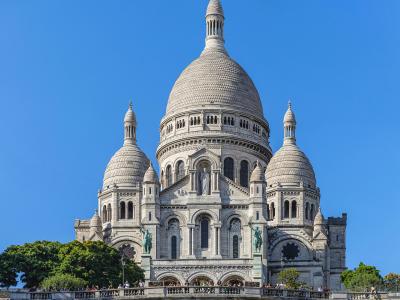
Montmartre and Sacré-Cœur
White basilica atop Montmartre hill
Free Guided Experiences · Historic Architecture
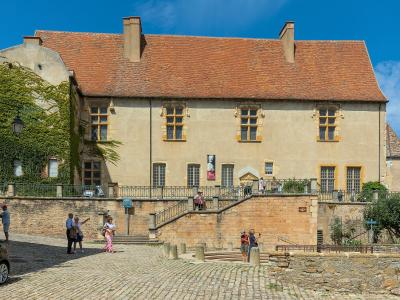
Cluny Museum (Musée de Cluny)
Medieval abbey and museum in Burgundy
From €8 Historic Architecture · Museums & Culture
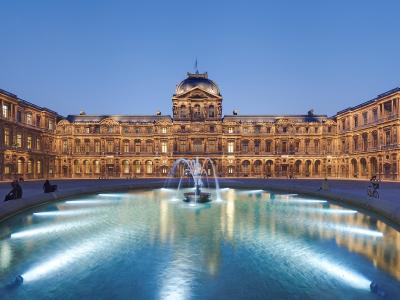
The Louvre Museum
World's largest art museum in historic Paris palace
From €22 Guided Experiences · Historic Architecture
Questions people ask
Quick Facts
Best Time to Visit
April to June and September to October offer mild weather and fewer crowds for optimal exploration.