







- Where
- Chablis, Burgundy
- Directions
- Directions
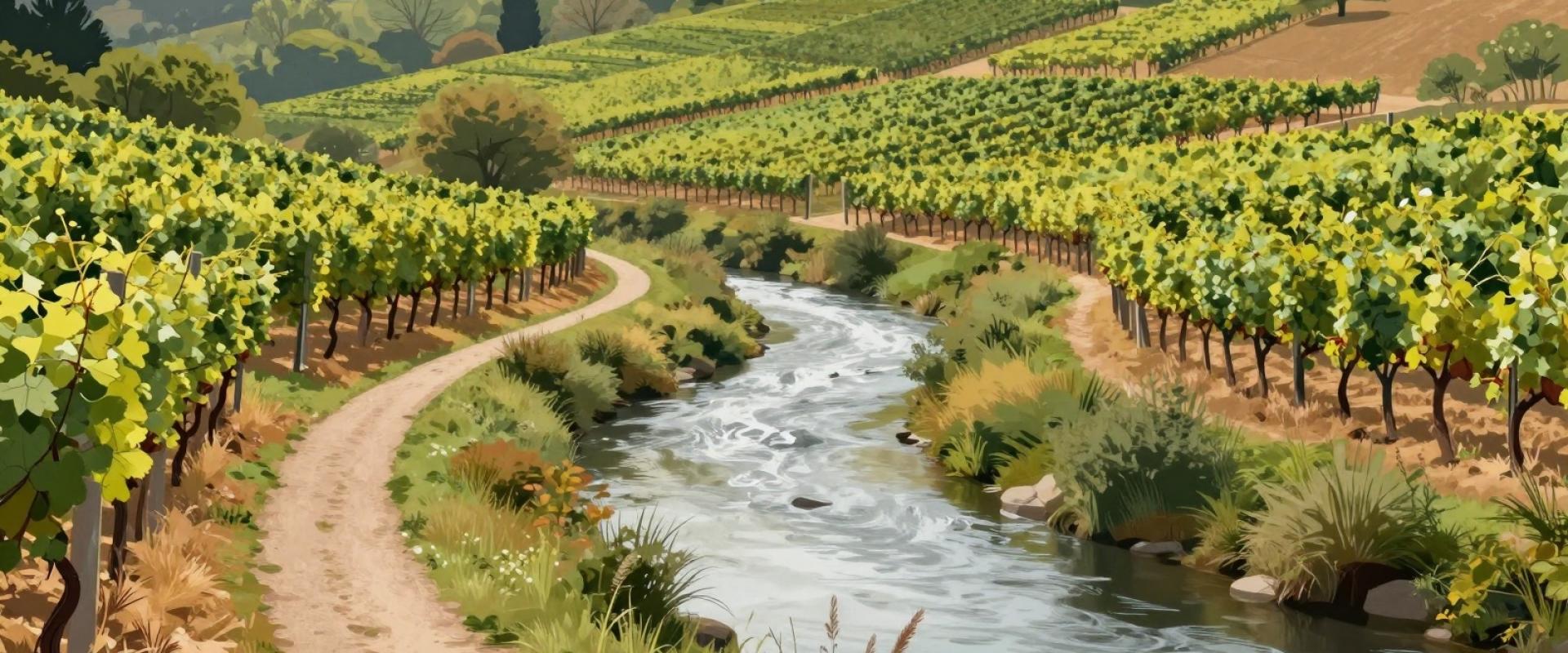
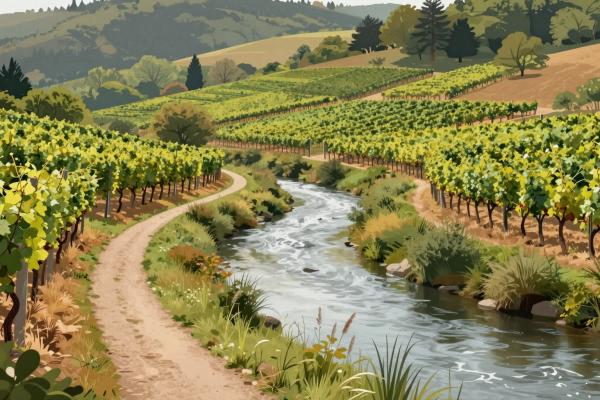
The Serein is the small river that gives Chablis its setting, and the walking routes that follow it and climb the slopes above are the best way to see how landscape and wine are linked. The river flows down from the hills of the Morvan to join the Yonne, and in the Chablis area it runs through a shallow valley, with vineyards on the hillsides facing the town and woods on the upper slopes. The river and the surrounding hills help to shape the climate here, and the cool air in the valley is one reason the Chardonnay of Chablis keeps its freshness.
Chablis has a long history. The town grew up around a crossing of the river, and in the ninth century monks carried the relics of Saint Martin of Tours here to keep them safe from Viking raiders, which helped make Chablis a place of pilgrimage. The twelfth-century Hôtel-Dieu and the collegiate church of Saint-Martin still stand in the town, and a walk through the old streets is a good prelude to the trails. The vineyards were developed by Cistercian monks from nearby Pontigny, who pioneered Chardonnay planting on these slopes.
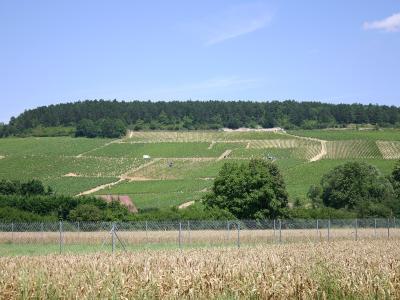
Several signposted routes start from the town or from a viewpoint above it. The simplest are short loops of an hour or so that climb gently through the vines for views of the grand cru hillside, and they work well for families. Longer routes of ten to thirty kilometres take in woods, plateaus and neighbouring villages such as Courgis and Préhy, and pass slopes known for premier cru wines, including Les Lys, Vauligneau and Beauroy. Walkers can see the vines close up, with their trellising and stony soils, and it is worth looking for the small white fossil oyster shells embedded in the limestone, which are the signature of the local geology.
The landscape changes with the seasons. In spring, new leaves appear on the vines and the woods are fresh and green. In summer, the paths are hot and exposed, so carry water and a hat. Autumn is the harvest and the colours turn gold and red, while winter is bare and quiet. Mud can make the tracks slippery after rain.
The walks pair naturally with a visit to a cellar. Domaine William Fèvre and other producers offer tastings, and the Chablis Wine Route links the villages by road for those who prefer to drive. Trails are public, so there are no entry fees or set hours.
They suit walkers of all abilities, wine lovers and photographers. Wear sturdy shoes, and check trail markers carefully, as junctions are not always clear.
Categories
More photos coming soon
Questions people ask
Quick Facts
Best Time to Visit
May to June and September to October offer mild weather and fewer crowds for optimal exploration.