







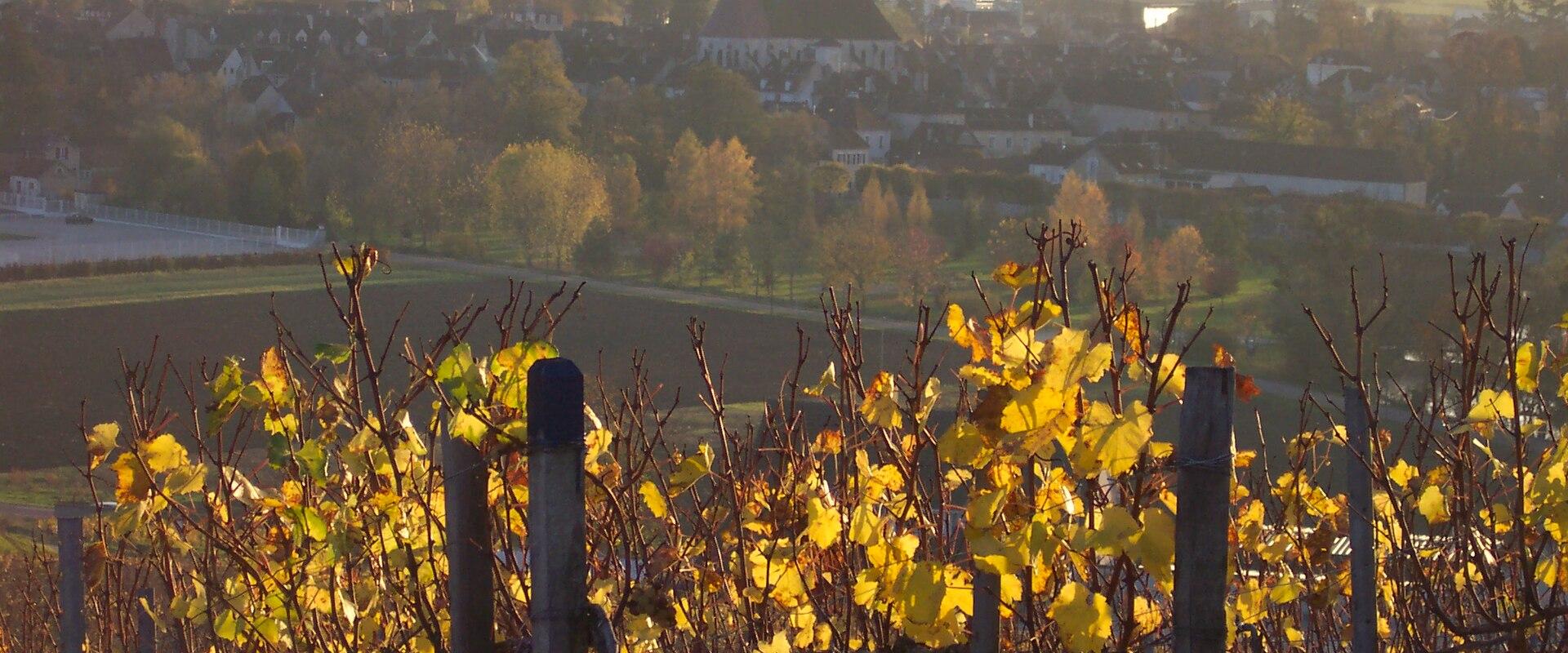
Chablis, situated in the Yonne department of the Bourgogne-Franche-Comté region, is a village of immense significance in the world of wine. Located in the northern reaches of Burgundy, it is separated from the main Côte d'Or vineyards by the Auxerrois area. The village is built on the banks of the Serein River, which flows through a valley surrounded by hills covered in vineyards. The soil here is predominantly Kimmeridgian limestone, a marine sedimentary rock rich in fossilized oyster shells, which gives Chablis wines their characteristic flinty, mineral taste. This unique terroir has been recognized since the Middle Ages, with Cistercian monks from the nearby Abbey of Pontigny planting vines on the slopes in the 12th century. The village's history is deeply intertwined with the wine trade, which has shaped its architecture and economy for centuries.
The main attractions in Chablis revolve around its heritage and wine culture. The Collégiale Saint-Pierre, a 13th-century collegiate church, is a notable example of Gothic architecture, with a rose window and intricate stone carvings, and the Église Saint-Martin, a Romanesque and Gothic church, stands nearby. The Château de Vauvry, a 15th-century building, now houses the Tourist Office and offers a museum dedicated to the history of Chablis wine. The village itself is a maze of narrow streets, half-timbered houses and antique shops. The Place de l'Église is a central square surrounded by cafes and restaurants, offering a glimpse into local life. The most significant activity in Chablis is wine tasting. Visitors can explore numerous caves and cellars, many of which are carved into the limestone hillsides, and the Domaine William Fèvre is among the best-known estates. These cellars provide a cool, humid environment ideal for aging wine. Tastings range from simple village-level Chablis to prestigious Grand Cru wines from climats like Les Clos, Blanchots and Valmur, along with Vaudésir, Grenouilles, Preuses and Bougros. Many producers offer guided tours, explaining the winemaking process and the importance of the Kimmeridgian soil.
Beyond wine, Chablis offers opportunities for outdoor exploration. The Vineyard Trail (Sentier des Vignes) allows visitors to hike through the vineyards, enjoying views of the Serein valley, and the Serein River walks follow the river. The nearby Auxerrois region offers additional cultural sites, including the town of Auxerre and its cathedral. The area is also part of the Burgundy Wine Route, connecting Chablis to other wine-producing regions like Beaune and Dijon. The local cuisine features traditional Burgundian dishes, often paired with Chablis wines, among them gougères, escargots and andouillette, along with oysters, a traditional match. The village hosts various events throughout the year, including the Chablis Wine Festival and the Fête de la Saint-Vincent, a traditional celebration of winegrowers held in January.
Getting to Chablis is easiest by car, as the village has no station of its own; the usual route is by train to Auxerre, taking around two hours with a connection from Paris, followed by a bus or taxi of about twenty minutes. For those traveling by car, Chablis is connected by the N6 and D960 roads, and the A6 passes some distance to the west. The best time to visit is from May to June and September to October, when the weather is mild and pleasant, ideal for exploring the vineyards and historic sites. July and August are warm and busy, suitable for those who enjoy summer activities but may encounter larger crowds. Spring and autumn offer milder weather and fewer crowds, making them suitable for sightseeing and wine tasting. Winter is cooler and quieter, offering a serene atmosphere for indoor museum visits.
Best time to visit
May to June and September to October offer mild weather and fewer crowds for optimal exploration.
What to see in Chablis
Our picks first.
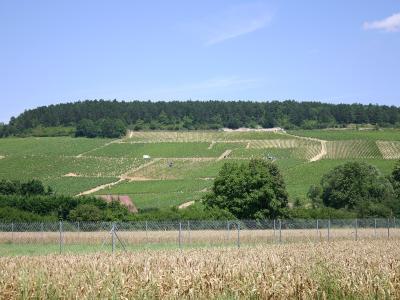
Chablis Wine Route (Route des Grands Crus)
Self-guided hiking trail through Chablis vineyards
Food & Wine · Guided Experiences
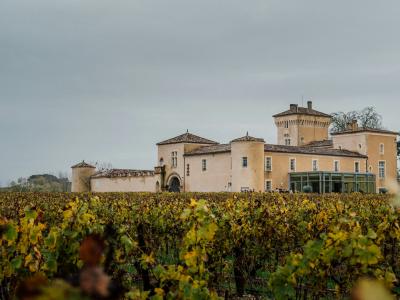
Domaine William Fèvre
Family-run Chablis estate on Kimmeridgian soil
Food & Wine · Nature & Parks
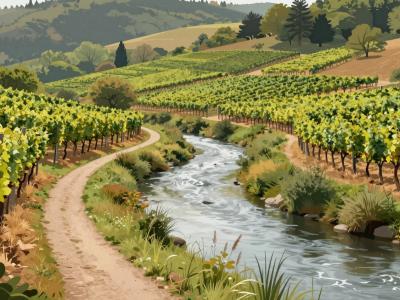
Serein River Walks
Scenic trails through Chablis vineyards along the Serein ...
Heritage Trails · Rivers & Lakes
Chablis by interest
The same sights, grouped by what you came for.
Planning a visit to Chablis
Good to know
- Currency
- EUR
- Language
- French
Quick Facts
Book your stay
Questions people ask
More places in Burgundy
Burgundy
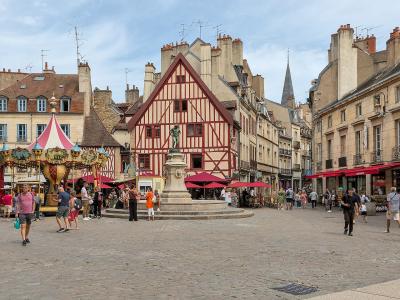
Dijon
Historic Burgundy capital known for ducal palace and mustard
Burgundy
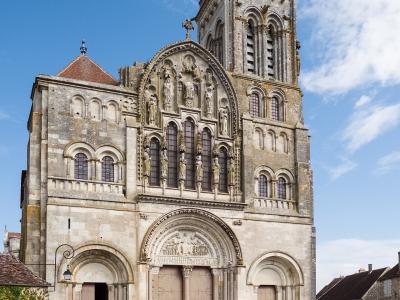
Vezelay
UNESCO hilltop village with Romanesque basilica in Burgundy
Burgundy
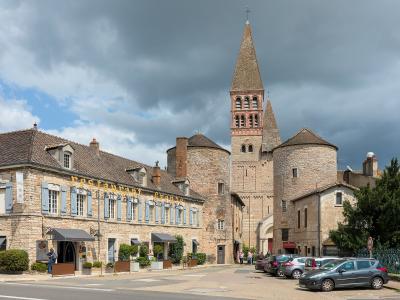
Tournus
Romanesque abbey town on the Saône River in Burgundy
Burgundy
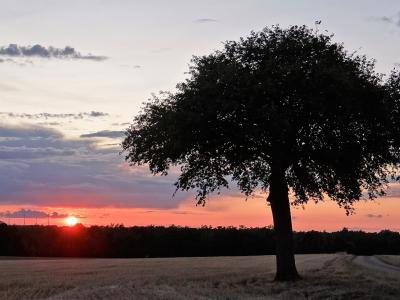
Burgundy
Historic French region renowned for wine, castles, and cuisine