







- Admission
- Free
- Hours
- Most are privately owned and open between 7am and 7pm; only about 80 are open to the publi...
- Where
- Lyon, Rhône-Alpes
- Directions
- Directions
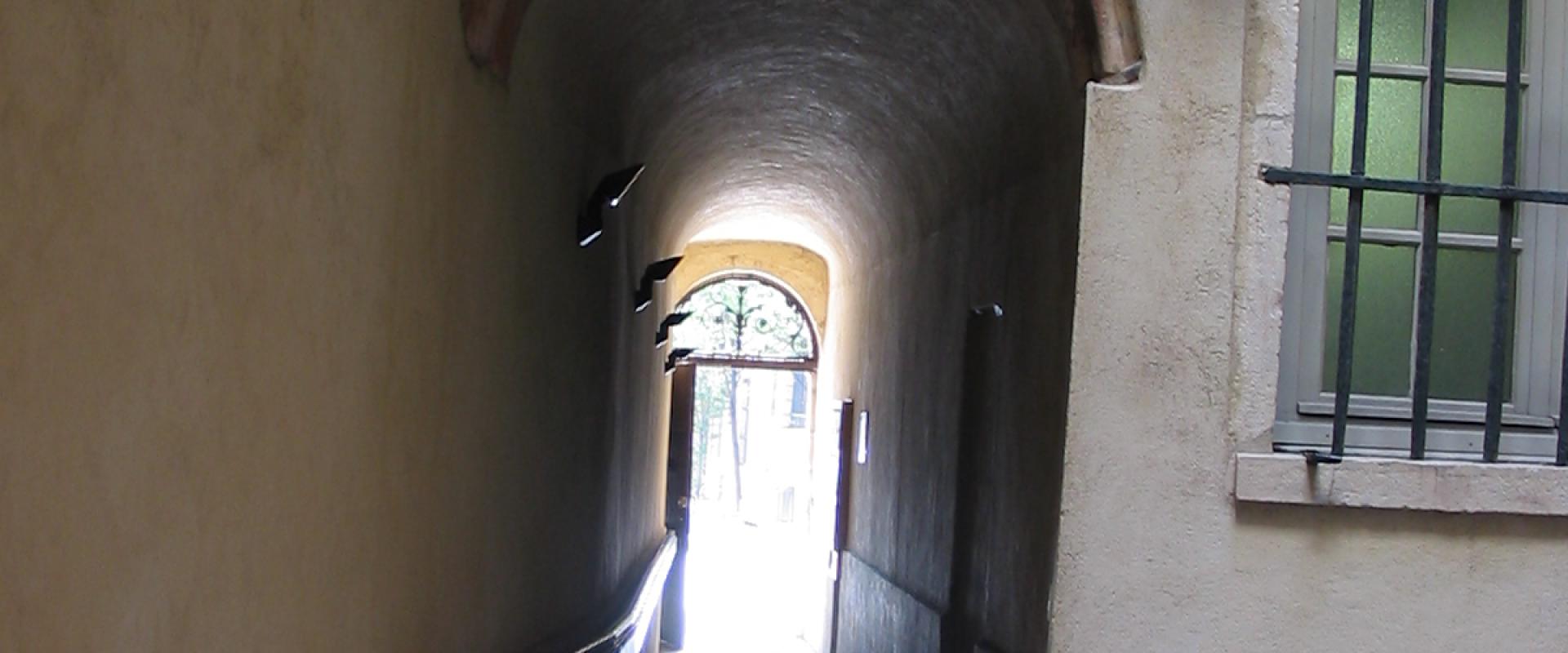
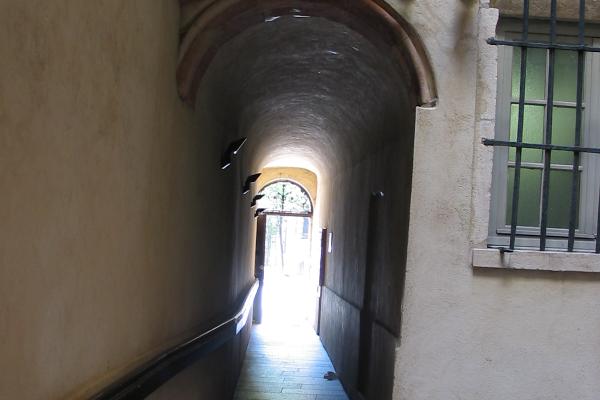
The traboules are one of the most unusual features of Lyon: covered passageways that run through buildings, linking one street to another, often by way of courtyards, galleries and spiral staircases. The word is thought to come from the Latin trans ambulare, to walk across, and the system developed because of the geography of the city. Lyon is built on two hills and between two rivers, and the narrow streets of the old districts climb steeply, so the passages offered shortcuts to the water and between levels. Over the centuries, they became part of the fabric of daily life, and they are still used by residents.
The passages are found in three main areas. In Vieux-Lyon, the old Renaissance quarter at the foot of the Fourvière hill, where rich Italian and German merchants and bankers built tall houses in the fifteenth and sixteenth centuries, the traboules connect the streets parallel to the Saône. They pass through courtyards with galleries and towers, some with fine carved doorways, and they give access to the river from the main street. The longest of them runs from the Rue Saint-Jean to the Rue du Bœuf and passes the Tour Rose, a pink tower with a spiral staircase. On the slopes of the Croix-Rousse, the hill of the silk weavers, the traboules of the eighteenth and nineteenth centuries were used by the canuts to carry bolts of silk to the merchants below without exposing them to the rain, and the most famous of them, the Cour des Voraces, has a monumental staircase of six floors that wraps around an inner courtyard. The Presqu'île, the peninsula between the Rhône and Saône, has some as well.
The traboules also have a darker history. During the Second World War, members of the Resistance used them to escape from the German occupiers, because the passages led through buildings and gave a way of vanishing from the street, and the Gestapo found it hard to pursue those who knew them. This is still remembered in the local culture. Today, the number of passages is estimated at several hundred, but only a part of them, around eighty, are open to the public, as most belong to private buildings.
Exploring them requires some etiquette. Many are in residential buildings, and they are normally open during the day, roughly from the morning until the early evening, so visitors should be quiet and respectful. Doors may be closed, and some are only open on guided tours, which are offered by the tourist office and give access to passages that are otherwise closed. Look for small plaques and signs marking the entrances, and a map from the tourist office helps to find them. A guided tour in the Vieux-Lyon or the Croix-Rousse gives a good introduction.
The traboules are within easy reach of other sights. The Cathédrale Saint-Jean-Baptiste and the Basilica of Notre-Dame de Fourvière dominate the old town, and the Musée Gadagne tells the history of the city. The Musée des Tissus and the Maison des Canuts show the silk heritage. The traboules suit walkers, history lovers and photographers, and a walk through several takes a couple of hours.
Categories
More photos coming soon
Hours & Fees
- Open
- Most are privately owned and open between 7am and 7pm; only about 80 are open to the public.
- Admission
- Free
Hours and prices change, especially out of season. Check with the venue before you go.
Nearby Attractions
Other places to visit in Lyon
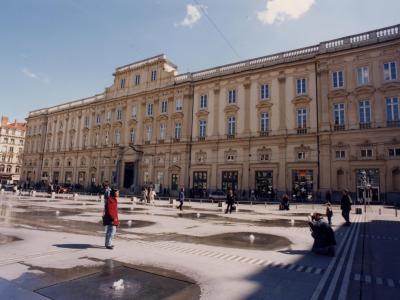
Musée des Beaux-Arts de Lyon
France's second-largest museum in a 17th-century abbey
Historic Architecture · Museums & Culture
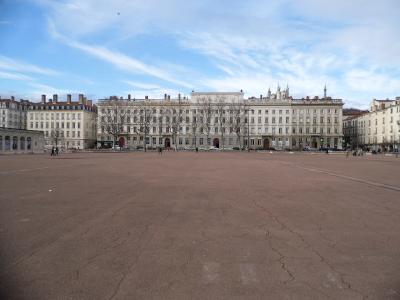
Place Bellecour
Europe's largest pedestrian square with red laterite paving
Free City Centers · Heritage Trails
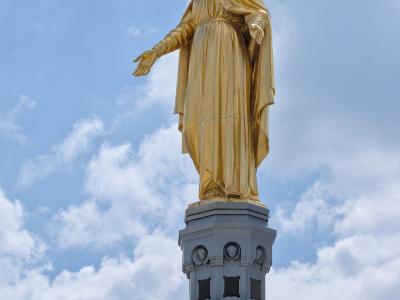
Basilica of Notre-Dame de Fourvière
19th-century basilica with panoramic Lyon views
Architectural Landmarks · Churches
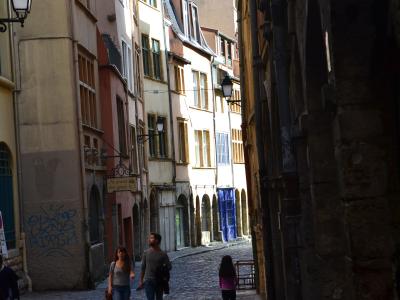
Vieux Lyon (Old Lyon)
UNESCO Renaissance district with hidden traboules
Guided Experiences · Historic Architecture
Questions people ask
Quick Facts
Best Time to Visit
May to June and September to October offer mild weather and ideal conditions for outdoor activities and sightseeing.