







Vieux Nice (Old Town)
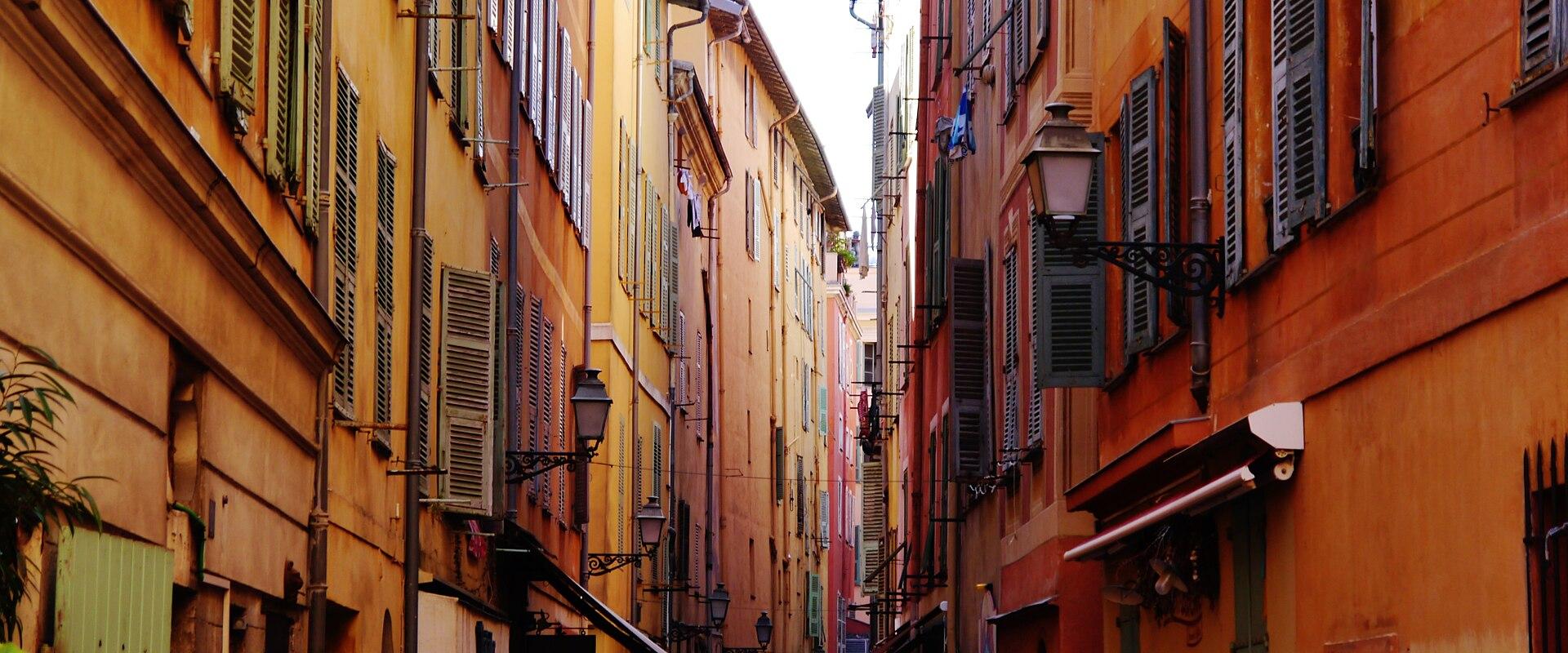
Narrow streets and Baroque architecture in historic Old Nice
- Where
- Nice, Provence-Alpes-Côte d'Azur
- Directions
- Directions
Vieux Nice, the old town, is the oldest part of the city and one of the most atmospheric districts on the Riviera, a tight network of narrow, shaded streets that lie between the Castle Hill and the Cours Saleya. The area is compact, barely a kilometre across, but it is dense with life, and the contrast between the dark lanes and the bright squares gives the quarter much of its charm. It was settled by Greek traders from Marseille in ancient times, who named their trading post Nikaia, after the goddess of victory, and the city has kept the name ever since.
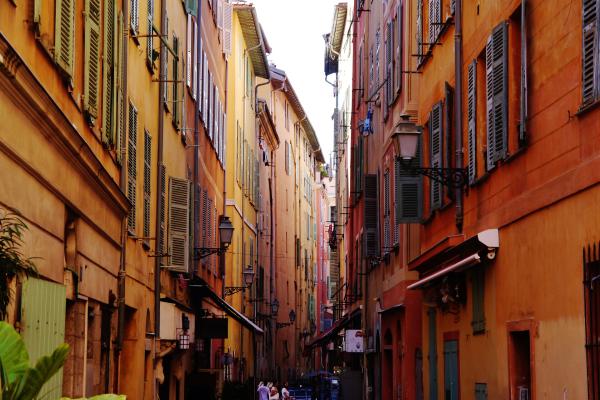
The old town is the product of a long and complicated history. In the Middle Ages, it clustered below the castle on the hill, behind walls, with narrow streets that were meant to confuse attackers. For centuries, Nice belonged to the dukes of Savoy rather than to France, and it only joined France in 1860, which explains why the architecture and even the local dialect and food have an Italian flavour. In 1706, the castle on the hill was destroyed on the orders of Louis XIV, and the hilltop is now a park with views over the bay. The houses of the old town are tall and narrow, painted in warm ochre, orange and pink, with shutters and wrought-iron balconies, and many of the churches and palaces were built or rebuilt in the Baroque style of the seventeenth and eighteenth centuries.
Baroque is the style to look for. The Cathédrale Sainte-Réparate, on the Place Rossetti, has a richly decorated interior with a dome covered in coloured tiles, and the Chapelle de la Miséricorde, with its sumptuous gilded decoration, is among the finest Baroque interiors in the region. The Palais Lascaris, a seventeenth-century town house with painted ceilings and a monumental staircase, shows how noble families lived. The Place Rossetti, the main square in the old town, is a good place for a coffee or an ice cream.
The Cours Saleya is the centre of the old town's daily life, a long open space where a market sells flowers, fruit, vegetables and local products, and where restaurants spread their tables in the evening. Local specialities include socca, a thin pancake of chickpea flour cooked in a wood-fired oven, pissaladière, an onion tart with anchovies, and stuffed vegetables. Wandering the lanes in the evening, when the shops and bars are lit, gives a feel for the way locals live.
Beyond the old town, the Castle Hill, the Cathédrale Saint-Nicolas, the Place Masséna, the Jardin Albert 1er and the Musée Matisse, the Musée Marc Chagall and the MAMAC are all within reach. Entry to the streets is free.
The old town suits walkers, food lovers and photographers. Mornings are best for the market, evenings for atmosphere.
Categories
More photos coming soon
Nearby Attractions
Other places to visit in Nice
Promenade des Anglais
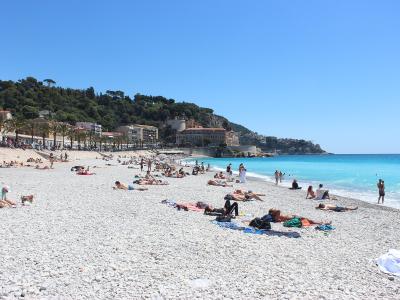
7km palm-lined coastal boulevard in Nice
Coastal Promenades · Heritage Trails
Place Masséna
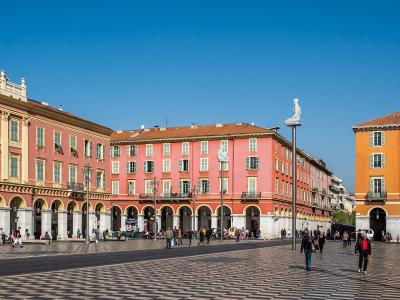
Black-and-white lattice square with Plensa sculptures
Free Historic Architecture · City Centers
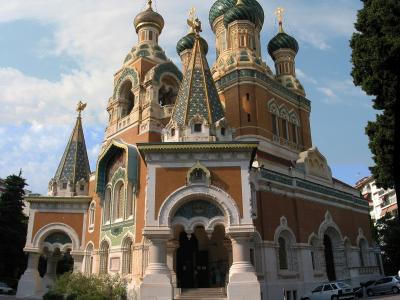
Cathédrale Saint-Nicolas
Russian Orthodox cathedral built by Tsar Nicholas II
Free Architectural Landmarks · Churches
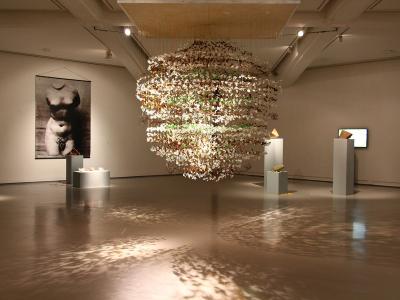
Musée d'Art Moderne et d'Art Contemporain (MAMAC)
Modern and contemporary art in Nice
Museums & Culture
Questions people ask
Quick Facts
Best Time to Visit
May to June and September to October offer warm weather and fewer crowds for optimal exploration.