



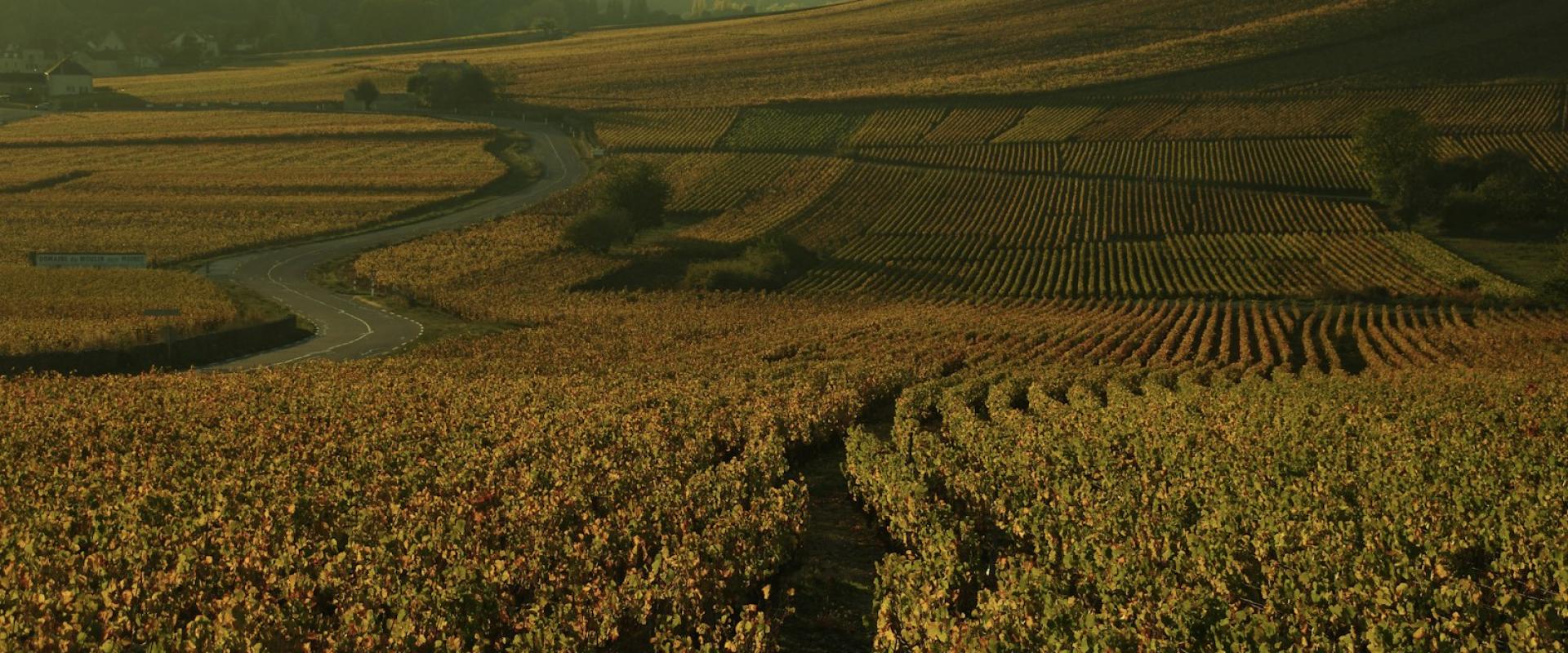
Late September to early October triggers Les Vendanges, the region’s annual grape harvest, transforming the Côte de Nuits into a scene of urgent, beautiful industry. In Gevrey-Chambertin and Vosne-Romanée, the vineyards undergo a rapid chromatic shift, with leaves surrendering to shades of burnt orange, deep crimson, and gold. This visual spectacle is not merely aesthetic; it signals that the picking window has opened. The air turns crisp, carrying the sweet, fermenting scent of crushed grapes, while workers move with practiced speed through the rows. Every basket counts. The window for optimal ripeness is narrow, demanding precision.
This is more than agricultural labor; it is a cultural cornerstone. Local communities rally around this event, infusing the region with a palpable energy. The entire landscape pulses with purpose, inviting visitors to witness a tradition that has defined Burgundy for centuries.
Cellar Doors and Copper Pots: A Gastronomic Symbiosis
As the autumn palette deepens, the culinary rhythm of Burgundy shifts in tandem with the harvest. The concept of terroir here does more than describe soil composition; it binds robust red wines to the earthy dishes that sustain the region. The relationship between Pinot Noir and hearty cuisine is functional as much as it is traditional. The wine’s bright acidity cuts through the rich fat of Boeuf Bourguignon, while the same grape varietal adds complexity to Coq au Vin. To complete the triad, Époisses cheese offers a pungent aroma and creamy texture that anchors these heavy flavors, creating a balance that is both comforting and sophisticated.
At the markets in Auxerre, the crisp autumn air is filled with the earthy aroma of wild mushrooms, fresh chestnuts, and tart apples. These ingredients are not optional garnishes; they define the authentic autumnal table. Pairing wine with food in this region is not a luxury but a fundamental requirement for understanding its soul. You must engage with this culinary ritual to truly grasp the spirit of Burgundy. Respect the tradition, and the landscape reveals its true character.
Burgundy’s vineyards ignite in shades of amber and rust, creating a backdrop that is as fleeting as it is breathtaking. To truly immerse yourself in this seasonal spectacle, planning is not just advised; it is essential. Rental cars vanish quickly during this peak season, so secure yours two months in advance to avoid being stranded without wheels. Similarly, winery tastings rarely accommodate walk-ins, meaning you must schedule your visits early to guarantee access.
The journey itself offers distinct choices depending on your pace. You might prefer the nostalgic charm of driving a classic 2CV along the Route des Grands Crus, or perhaps the grounded perspective of an e-bike through the Mâconnais region. Both options reveal different facets of the landscape, but neither replaces the need for preparation. Always carry cash, as smaller estates often lack card readers, and pack waterproof gear, given the unpredictable autumn rains.
Etiquette plays a crucial role in these visits. A simple, polite “Bonjour” opens doors that might otherwise remain closed, especially during the busy harvest season known as Les Vendanges. Respect the workers’ schedules and understand that prices vary significantly by estate. Patience becomes your greatest asset, turning potential frustrations into seamless interactions. With these steps in place, your exploration of these historic vineyards will feel less like a tour and more like a personal discovery.