Toulouse
Pink city of southern France known for aerospace and cuisine
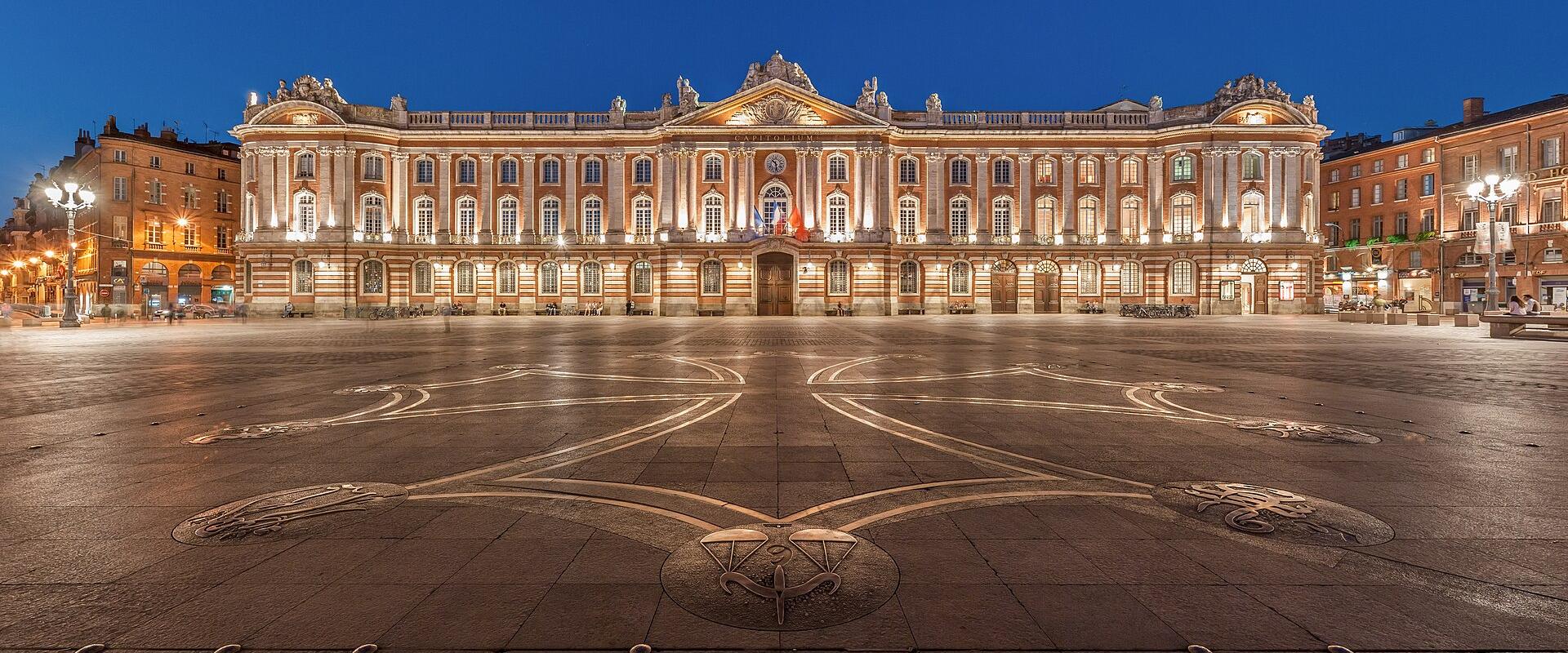
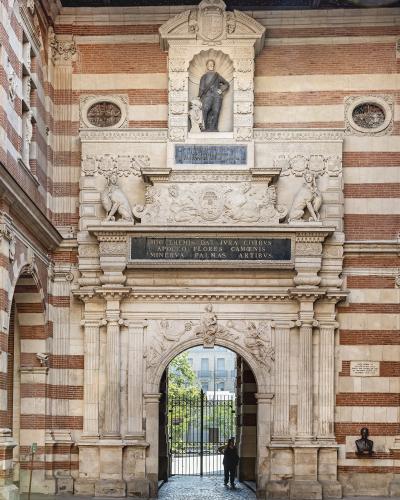
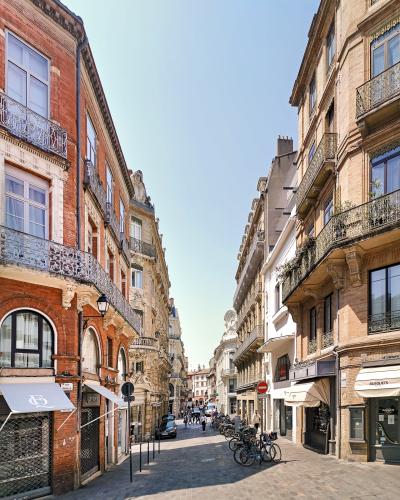
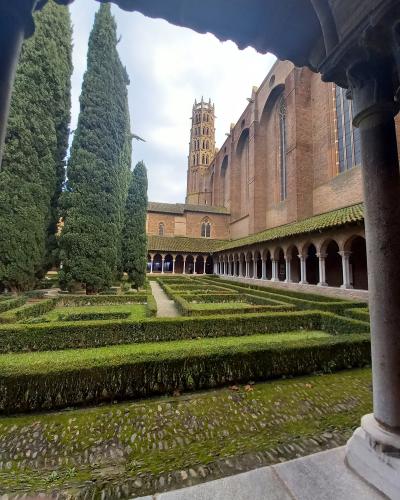
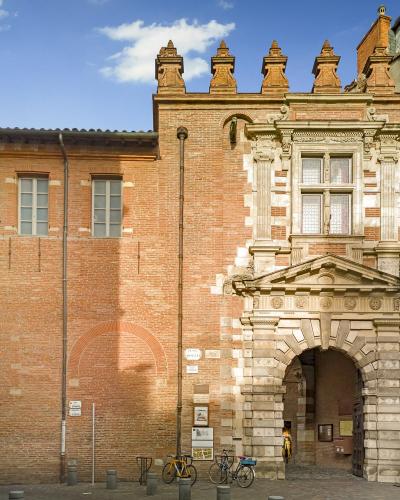
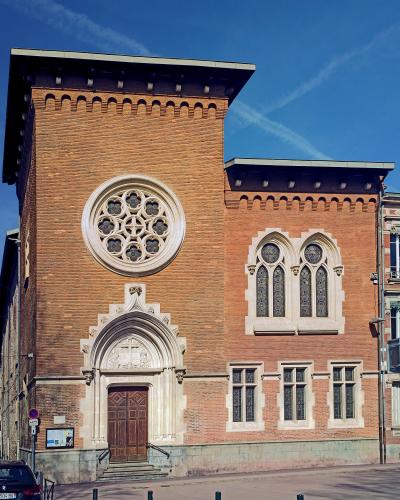
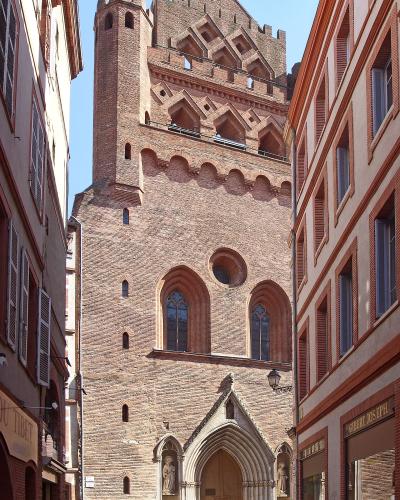
Toulouse, situated in the Haute-Garonne department of southwestern France, is a city with a profound historical and industrial identity. Historically, it was the capital of the County of Toulouse and a major center of the Cathar movement in the Middle Ages. The city's architecture is defined by the use of 'brique rose' (pink brick), giving it its nickname. During the 20th century, Toulouse transformed into a global center for the aerospace industry, home to Airbus and the Centre National d'Études Spatiales (CNES). This modern identity coexists with a rich medieval heritage, visible in the narrow streets of the Capitole district and the numerous basilicas built from brick. The city is also a major university town, contributing to its youthful and dynamic atmosphere.
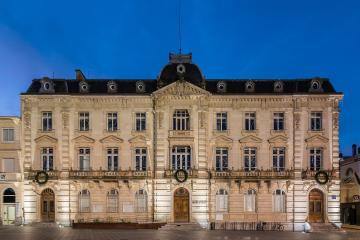
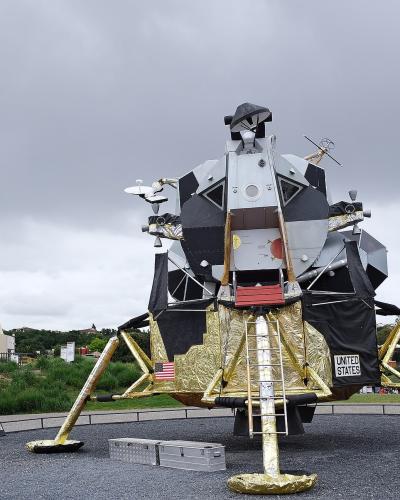
The main attractions in Toulouse reflect its architectural and industrial heritage. The Basilique Saint-Sernin, a UNESCO World Heritage site, is the largest remaining Romanesque building in Europe and a key stop on the Camino de Santiago pilgrimage route. The Capitole, a neoclassical building housing the city hall and a theater, is the heart of the city, surrounded by the lively Place du Capitole. The Cité de l'Espace is a science and space theme park, celebrating Toulouse's aerospace legacy with interactive exhibits and a replica of a Soyuz capsule. The Basilique de Saint-Sernin and the Église du Taur are other significant religious sites. The Jardin des Plantes and the Parc de la Maourine offer green spaces for relaxation. The Canal du Midi, a UNESCO World Heritage site, starts near Toulouse and offers scenic boat trips and cycling paths.
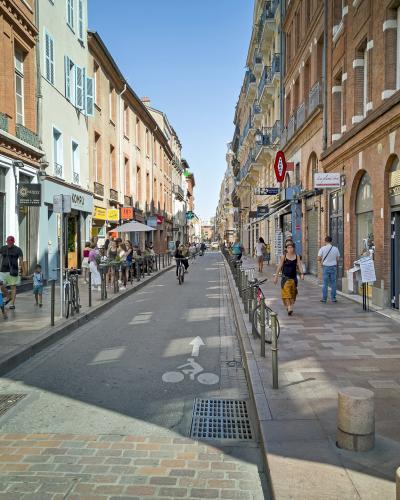
Toulouse offers various activities for visitors interested in history, culture, and nature. The city is known for its culinary scene, featuring Occitan specialties such as cassoulet, duck confit, and foie gras. The Saint-Aubin market is a popular spot for local produce. Cycling is a major activity, with the VéloVie bike-sharing system and extensive bike lanes. The nearby Pyrenees mountains offer hiking and skiing opportunities. The city hosts various festivals throughout the year, including the Festival au Fil and the Toulouse Latin Festival. The Airbus factory tour provides insight into the aerospace industry. The Garonne River offers boat tours and riverside walks.
Getting to Toulouse is convenient via train, with TGV services connecting it to Paris, Lyon, and other major French cities. The train station is located in the city center, making it easily accessible. For those traveling by car, Toulouse is connected by the A61 and A62 motorways. The best time to visit Toulouse is from early June to late September, when the weather is warm and pleasant, ideal for outdoor activities and exploring the city. June and September are particularly satisfying, with warm temperatures and fewer crowds than July and August. Spring and autumn offer milder weather and fewer crowds, making them suitable for sightseeing. Winter is cooler and quieter, offering a serene atmosphere for indoor museum visits. Toulouse combines historical depth, industrial innovation, and cultural richness, making it a compelling destination for travelers seeking an authentic southern French experience.
Best Time to Visit
Early June to late September offers warm weather and ideal conditions for outdoor activities and sightseeing.
Did you know?
Interesting, verified facts about Toulouse
Toulouse Has a Second Local Claim
HistoryKnown as the 'Ville Rose' (Pink City) for its distinctive terracotta brick architecture, it is a vibrant hub of aerospace industry, higher education, and Occitan culture.
Source: Toulouse - WikipediaOne of Europe's Largest Romanesque Churches Stands in Toulouse
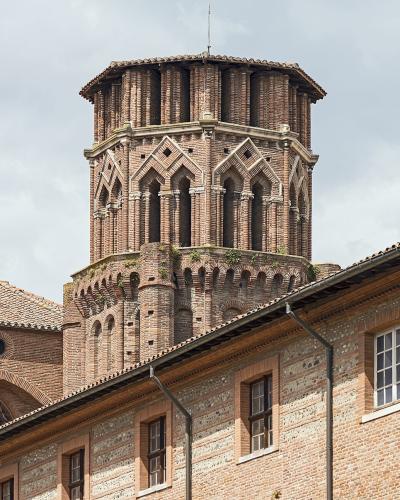
RecordToulouse's Basilica of Saint-Sernin, begun in the 1070s to serve pilgrims heading for Santiago de Compostela and largely built by the early 12th century (though work dragged on into the 1200s and the west front was never finished as planned), is one of the largest Romanesque churches still standing in Europe -- and the largest in France -- stretching some 104 metres in length. Its altar was consecrated by Pope Urban II himself in 1096, while the church was still under construction. Built largely of the pink brick that gives Toulouse its "Ville Rose" nickname, the basilica was inscribed on the UNESCO World Heritage list in 1998 as part of the Routes of Santiago de Compostela in France.
Source: History HitPlan Your Visit to Toulouse
Essential travel tips and information for your trip to Toulouse.
Suggested Itineraries
One Day in Toulouse
1 dayPerfect for a quick visit. See the main highlights and get a taste of local culture.
Extended Toulouse Experience
2-3 daysComprehensive exploration including nearby attractions and cultural experiences.
Travel Tips
Currency
EUR • Cards widely accepted
Language
French • English in tourist areas
WiFi
Free WiFi in cafes and hotels
Explore Toulouse by Interest
Discover attractions and experiences in Toulouse organized by your interests and travel preferences.
All attractions in Toulouse
Sorted by our recommendation score
Quick Facts
Book your stay
Frequently Asked Questions
More destinations in Midi-Pyrénées
Explore other amazing places in the Midi-Pyrénées region