







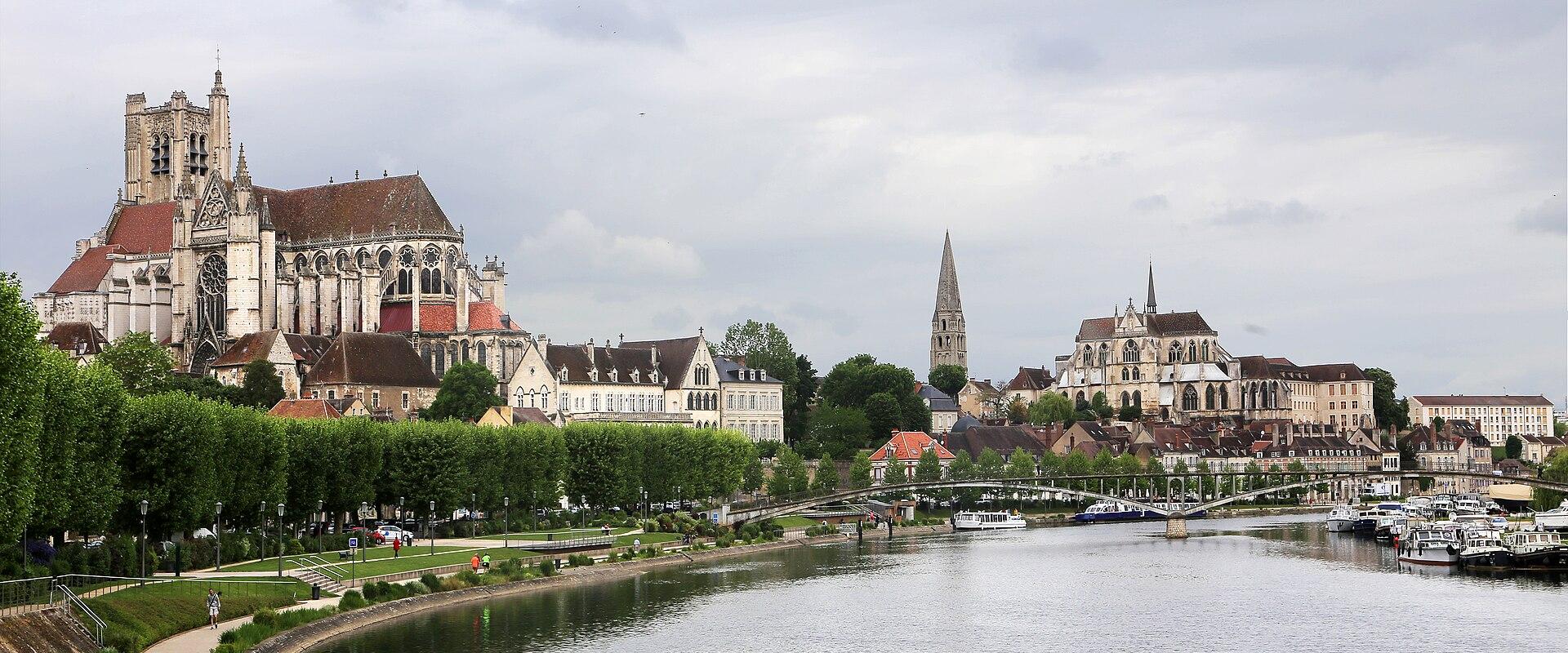
Auxerre, the capital of the Yonne department in the Burgundy-Franche-Comté region, is a city rich in history and architectural beauty. Situated on the Yonne River, it has been an important settlement since Roman times, known as Autissiodorum. The city's medieval centre is well-preserved, featuring half-timbered houses, narrow winding streets and imposing religious structures. The history of Auxerre is closely intertwined with the church, as it was an important ecclesiastical centre in the Middle Ages. The Abbey of Saint-Germain d'Auxerre, founded in the 6th century, is one of the oldest and most significant monastic sites in France. Its crypts hold 9th-century frescoes, and the abbey buildings now house the Musée Saint-Germain. The Caveaux de l'Abbaye Saint-Germain, the vaulted undercrofts and crypts, are part of a heritage site covering centuries from the early Middle Ages onward. The city also boasts the Cathedral of Saint-Étienne, a Gothic masterpiece that contains stained glass windows and medieval frescoes. The Tour de l'Horloge, a 15th-century clock tower, offers a landmark above the old streets, though the best city view comes from the bridge.
The old town of Auxerre is a labyrinth of streets, squares and courtyards. Place Saint-Nicolas and Place Surugue are central hubs surrounded by historic buildings, cafes and shops. The Yonne River waterfront has been renovated, providing a pleasant area for walking and relaxation, and river cruises and the Canal du Nivernais begin close to the quays. The city is also known for its connection to the Chablis wine region, located just to the north. Visitors can explore local wine cellars and taste the crisp, mineral-driven Chablis wines, and the red wines of Irancy, a short drive away, are a lesser-known local favourite. The city has three museums classed as Musées de France, among them the Musée Saint-Germain in the abbey buildings.
Activities in Auxerre range from cultural exploration to outdoor recreation. Walking tours of the old town allow visitors to appreciate the architectural details and learn about the city's history. The Yonne River offers opportunities for boating and fishing, and the surrounding countryside is ideal for cycling and hiking, with the former towpaths serving cyclists. The nearby Saussois Rocks, at Merry-sur-Yonne, provide a scenic spot for nature lovers and are a well-known climbing site. Each year on the third Sunday of May the Fleurs de vigne event recalls the wine trade on the Yonne. The local football club, AJ Auxerre, is a long-standing part of the city's identity.
Auxerre-Saint-Gervais station has trains to Paris and Dijon; the direct trains from Paris-Bercy take about 1 hour 35 minutes, and other services involve a change at Laroche-Migennes. By car, the A6 motorway serves the city, with the Auxerre-Nord and Auxerre-Sud interchanges. The best time to visit is from June to September, when the weather is warm and pleasant, ideal for outdoor activities and wine tasting. July and August are the warmest months, with average highs around 25°C. Spring and autumn offer milder weather and fewer crowds, making them suitable for sightseeing. Winter is cooler, but the city retains a cozy atmosphere with fewer tourists, and the Burgundian table of snails, gougères and Chablis makes the season easy to enjoy.
Best time to visit
June to September offers warm weather and ideal conditions for outdoor activities and wine tasting.
What to see in Auxerre
Our picks first.

Théâtre d'Auxerre
1930s theatre in Auxerre
Architectural Landmarks · Cultural Centers
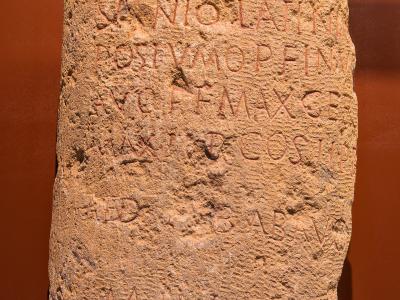
Musée Saint-Germain
Medieval abbey housing Gallo-Roman and medieval archaeology
Historic Architecture · Museums & Culture
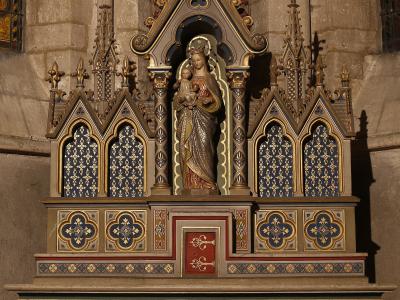
Caveaux de l'Abbaye Saint-Germain
9th-century Carolingian crypts and medieval museum
Churches · Heritage Trails
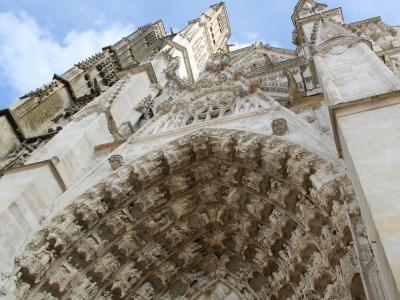
Collégiale Saint-Étienne
Gothic cathedral with 15th-century stained glass
Historic Architecture · Churches
Auxerre by interest
The same sights, grouped by what you came for.
Did you know?
Checked facts about Auxerre, each with its source.
-
History
Auxerre Is Shaped by a River
Auxerre, located in the Yonne department of the Burgundy-Franche-Comté region, is a historic city situated on the banks of the Yonne River.
Source: Arrondissement of Auxerre - Wikipedia
Planning a visit to Auxerre
Itineraries that include Auxerre
Good to know
- Currency
- EUR
- Language
- French
Quick Facts
Book your stay
Questions people ask
More places in Burgundy
Burgundy
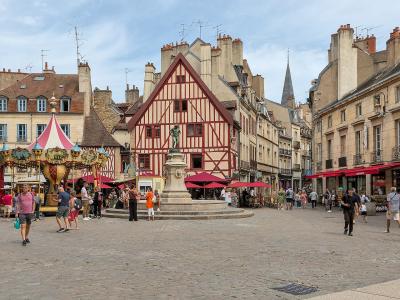
Dijon
Historic Burgundy capital known for ducal palace and mustard
Burgundy
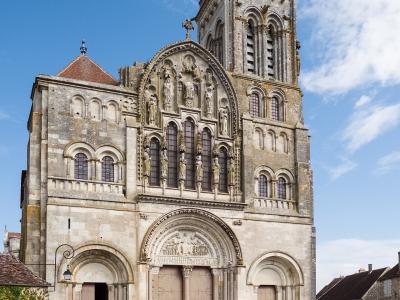
Vezelay
UNESCO hilltop village with Romanesque basilica in Burgundy
Burgundy
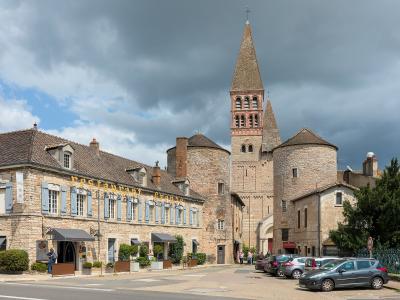
Tournus
Romanesque abbey town on the Saône River in Burgundy
Burgundy
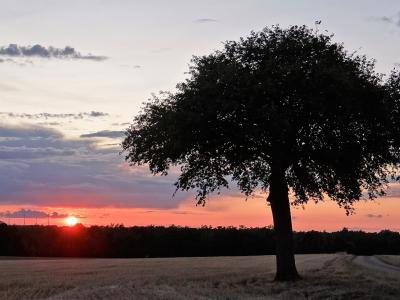
Burgundy
Historic French region renowned for wine, castles, and cuisine