

Dijon
Historic Burgundy capital known for ducal palace and mustard
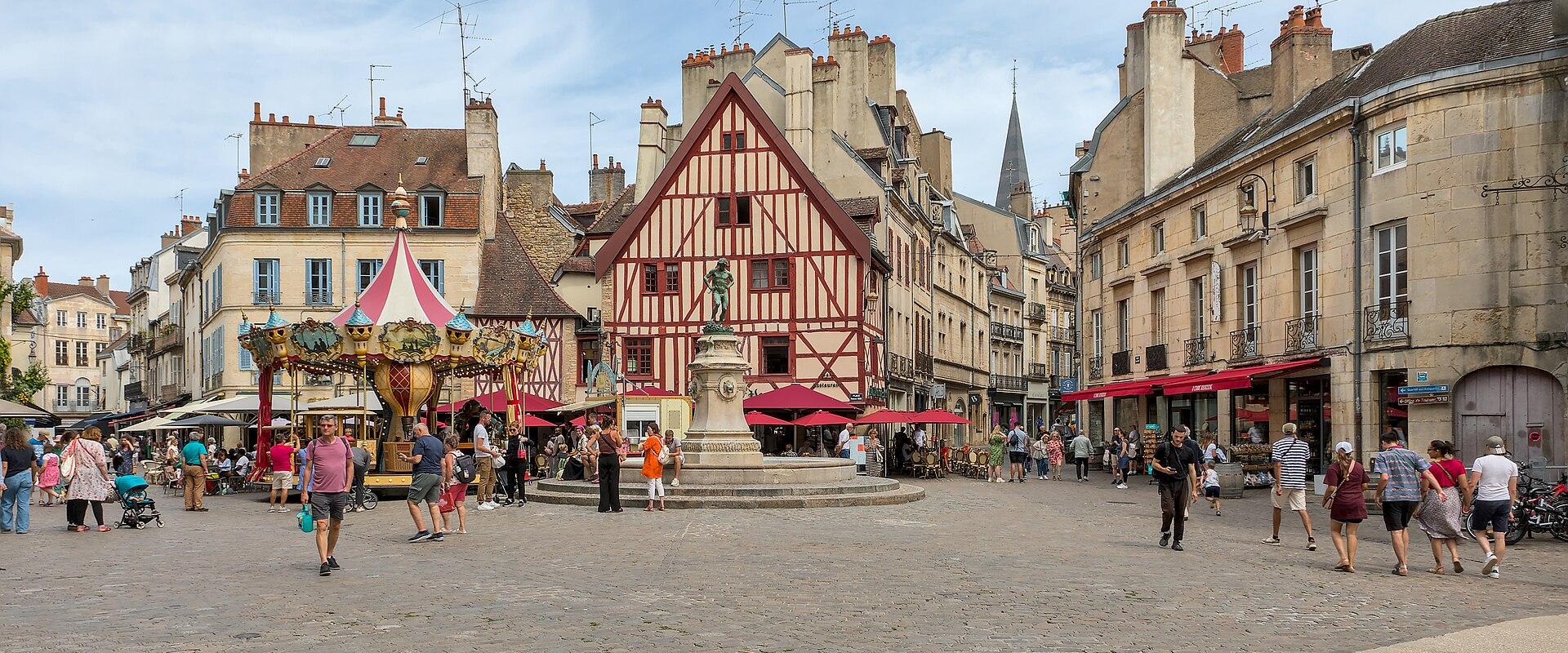
Dijon, situated in the Côte-d'Or department of the Bourgogne-Franche-Comté region, is a city with a profound historical and cultural identity. Historically, it was the capital of the Duchy of Burgundy, a powerful state in medieval Europe. The Dukes of Burgundy, particularly Philip the Bold and John the Fearless, transformed the city into a center of art, culture, and political power. This era left an indelible mark on the city's architecture, with many buildings dating from the 14th and 15th centuries. The city also played a significant role in the religious conflicts of the 16th century and later became a major administrative center under the French monarchy. The 18th century saw the construction of many elegant buildings, reflecting the city's prosperity and the influence of the Enlightenment.
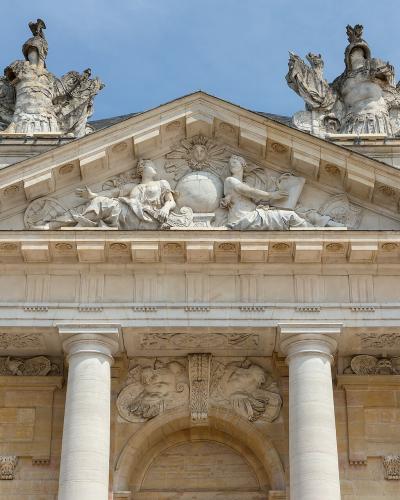
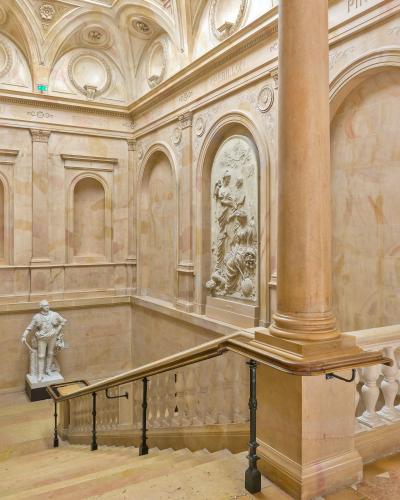
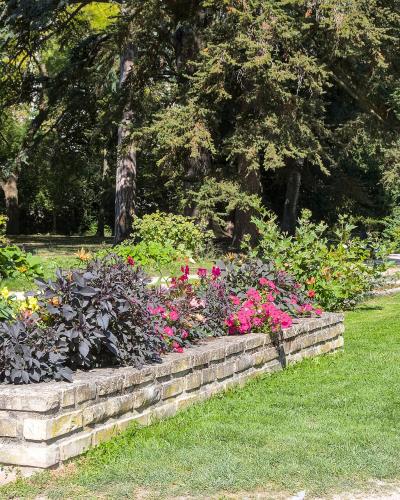
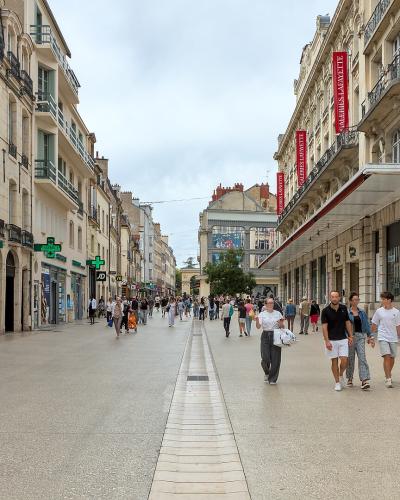
The main attractions in Dijon reflect its ducal heritage and artistic legacy. The Palace of the Dukes of Burgundy (Palais des Ducs de Bourgogne) is the city's most iconic landmark, housing the Museum of Fine Arts of Dijon (Musée des Beaux-Arts), which holds an impressive collection of paintings, sculptures, and decorative arts, including works by Clouet and Rubens. The ducal chapel, the Chapelle Saint-Louis, is a masterpiece of Flamboyant Gothic architecture. The Tour de Bar, a medieval tower, and the Porte Guillaume, a fortified gate, are other significant historical sites. The city is also famous for its mustard, with historic brands like Maille and Edmond Fallot offering tastings and tours. The Rue de la Liberté is a pedestrian street lined with shops, cafes, and historic buildings, perfect for leisurely strolls. The Jardin Darcy and the Jardin de la Colombière offer green spaces for relaxation.
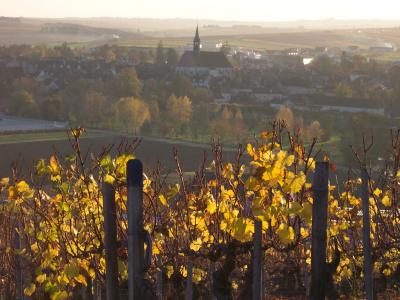
Dijon offers various activities for visitors interested in history, art, and gastronomy. The Owl Trail (Sentier des Hiboux) is a self-guided walking tour that leads visitors to 24 owl statues placed around the city, each representing a different aspect of Dijon's history or culture. Wine tasting is a central activity, with numerous cellars and shops offering samples of Burgundy wines, including Chablis, Côte de Nuits, and Côte de Beaune. The Les Halles de Dijon is a covered market where visitors can sample local specialties such as escargots, coq au vin, and Dijon mustard. The city also hosts various festivals throughout the year, including the Dijon International Film Festival and the Fête de la Gastronomie. The nearby Burgundy Wine Route offers opportunities for exploring vineyards and châteaux.
Getting to Dijon is convenient via train, with TGV services connecting it to Paris, Lyon, and other major French cities. The train station is located in the city center, making it easily accessible. For those traveling by car, Dijon is connected by the A6 and A31 motorways. The best time to visit Dijon is from mid-June to early September, when the weather is warm and pleasant, ideal for exploring the outdoor attractions and wine routes. July and August are the warmest months, with average highs around 25°C, but also the busiest. Spring and autumn offer milder weather and fewer crowds, making them suitable for sightseeing and wine tasting. Autumn is particularly popular for wine lovers due to the harvest season. Winter is cooler and quieter, offering a serene atmosphere for indoor museum visits. Dijon combines historical depth, artistic richness, and culinary excellence, making it a compelling destination for travelers seeking an authentic Burgundian experience.
Best Time to Visit
Mid-June to early September offers warm weather and ideal conditions for outdoor activities and wine tasting.
Did you know?
Interesting, verified facts about Dijon
"Dijon" Mustard Doesn't Have to Come From Dijon
HistoryUnlike Champagne or Cognac, the name "Dijon mustard" enjoys no protected geographical status in the EU -- a 1937 French decree made it a generic recipe name -- so most of it is made nowhere near the city, and roughly 80% of the seeds are imported from Canada. The name refers to a recipe, not a place: Dijon craftsman Jean Naigeon is credited with replacing vinegar with verjuice, the tart juice of unripe grapes -- an innovation most French sources date to around 1752 -- creating the smooth, sharp condiment the world knows today. Locally made mustard can instead carry the protected "Moutarde de Bourgogne" label, an EU-registered PGI since 2009 that guarantees Burgundy-grown seeds and Burgundy production.
Source: WikipediaPlan Your Visit to Dijon
Essential travel tips and information for your trip to Dijon.
Suggested Itineraries
Extended Dijon Experience
3 daysThree-day culinary journey through Dijon and Burgundy
View ItineraryTravel Tips
Currency
EUR • Cards widely accepted
Language
French • English in tourist areas
WiFi
Free WiFi in cafes and hotels
Explore Dijon by Interest
Discover attractions and experiences in Dijon organized by your interests and travel preferences.


All attractions in Dijon
Sorted by our recommendation score
Quick Facts
Book your stay
Frequently Asked Questions
More destinations in Burgundy
Explore other amazing places in the Burgundy region