

Montauban
Historic Occitan city with red brick architecture and Ingres museum
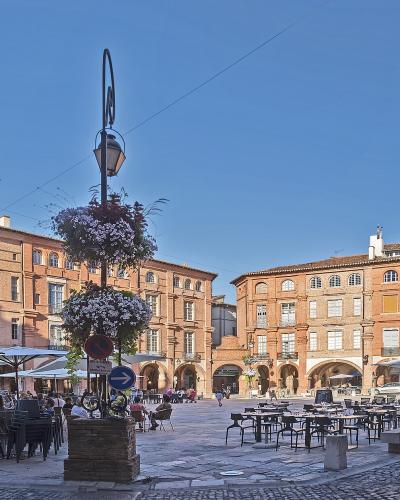
Montauban, situated in the Tarn-et-Garonne department of southwestern France, is a city with a profound historical and architectural identity. Historically, it was founded in the late 10th century as a fortified settlement. The city played a significant role during the French Wars of Religion in the 16th century, notably enduring a long siege in 1572. Following this period, Montauban underwent a major urban transformation in the 17th century, characterized by the construction of buildings using local red brick, which gives the city its nickname, the 'Pink City' (though distinct from Toulouse's pink hue). This era saw the creation of the Place Nationale, a masterpiece of urban planning with its uniform arcades and brick facades. The city also became an important administrative and religious center, with the construction of the Cathedral of Notre-Dame and various convents.
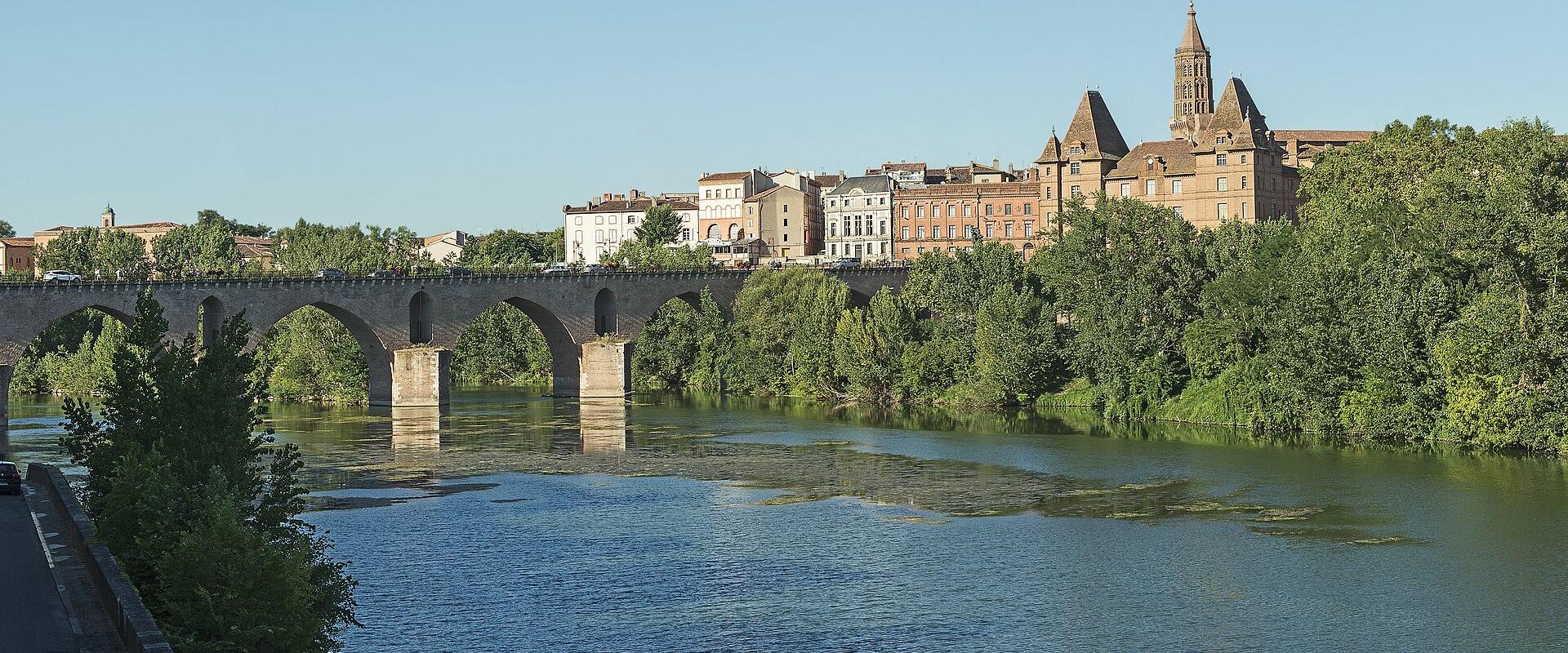
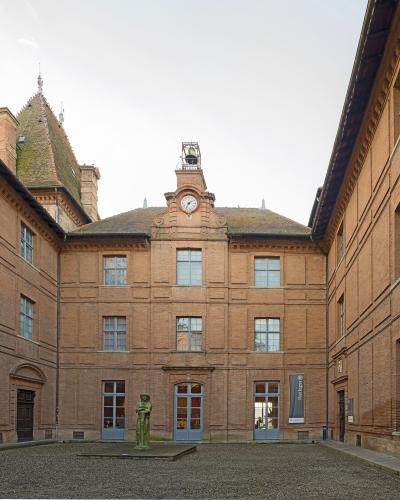
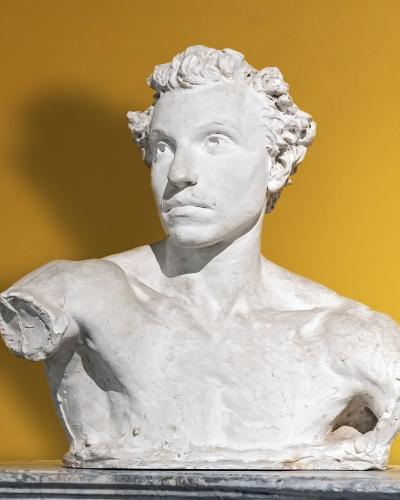
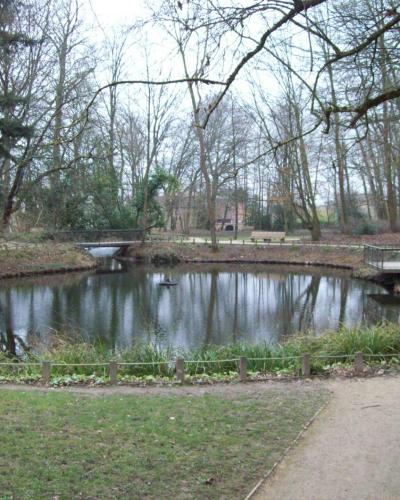
The main attractions in Montauban reflect its architectural and artistic heritage. The Place Nationale is the heart of the city, a large square surrounded by 17th-century brick houses with arcades, offering a unique and harmonious architectural experience. The Cathedral of Notre-Dame, a Gothic structure, features a tall bell tower and a beautiful interior. The Ingres-Bourdelle Museum, housed in the former Jesuit college, is dedicated to Jean-Auguste-Dominique Ingres, displaying his paintings, drawings, and personal items, as well as works by his contemporary, Antoine Bourdelle. The Pont-Vieux, a medieval stone bridge over the Tarn River, is one of the oldest bridges in France, offering scenic views of the river and the city. The Jardin des Plantes provides a peaceful green space in the city center.
Montauban offers various activities for visitors interested in history, art, and nature. The city is a starting point for exploring the Lot Valley, known for its prehistoric caves and picturesque villages. The Canal des Deux Mers offers opportunities for canoeing and cycling along its towpaths. The local cuisine features Occitan specialties, including cassoulet, duck confit, and local wines from the Gaillac region. The city hosts various festivals throughout the year, including the Ingres Festival and the Fête de la Musique. The street art circuit adds a modern touch to the historic setting, with murals and installations scattered throughout the city.
Getting to Montauban is convenient via train, with regular services from Toulouse and other major cities in the region. The train station is located in the city center, making it easily accessible. For those traveling by car, Montauban is connected by the A20 motorway. The best time to visit Montauban is from early June to late September, when the weather is warm and pleasant, ideal for exploring the outdoor attractions and walking tours. June and September are particularly satisfying, with warm temperatures and fewer crowds than July and August. Spring and autumn offer milder weather and fewer crowds, making them suitable for sightseeing. Winter is cooler and quieter, offering a serene atmosphere for indoor museum visits. Montauban combines historical depth, artistic richness, and natural beauty, making it a compelling destination for travelers seeking an authentic Occitan experience.
Best Time to Visit
Early June to late September offers warm weather and ideal conditions for outdoor activities and sightseeing.
Did you know?
Interesting, verified facts about Montauban
Birthplace of a Town
HistoryMontauban was founded in 1144 by Alphonse Jourdain, Count of Toulouse. This event is historically significant as it marks the creation of one of the first 'bastides' (new towns) in the region, characterized by a specific grid layout that distinguishes it in the history of southwestern France.
Source: external sourcePlan Your Visit to Montauban
Essential travel tips and information for your trip to Montauban.
Suggested Itineraries
Montauban Cultural Heritage
2 daysTwo-day cultural heritage tour of Montauban's brick architecture
View ItineraryTravel Tips
Currency
EUR • Cards widely accepted
Language
French • English in tourist areas
WiFi
Free WiFi in cafes and hotels
Explore Montauban by Interest
Discover attractions and experiences in Montauban organized by your interests and travel preferences.
All attractions in Montauban
Sorted by our recommendation score
Quick Facts
Book your stay
Frequently Asked Questions
More destinations in Midi-Pyrénées
Explore other amazing places in the Midi-Pyrénées region