


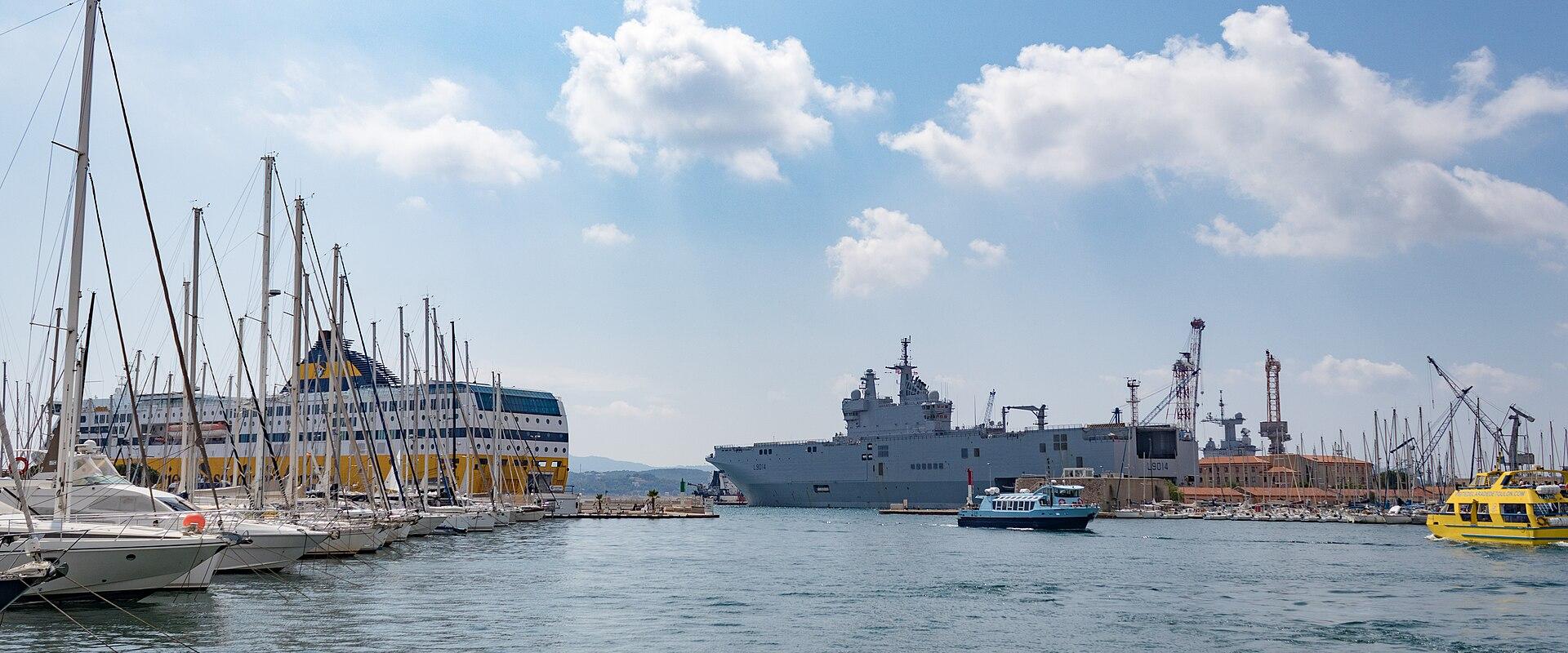
Toulon
Major French naval port with Mediterranean views and historic old town
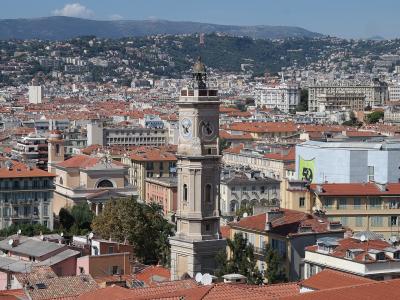
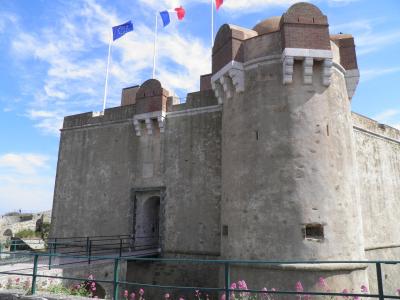
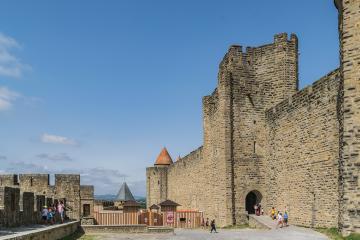
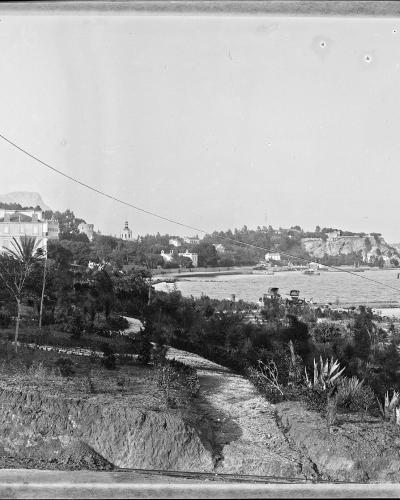
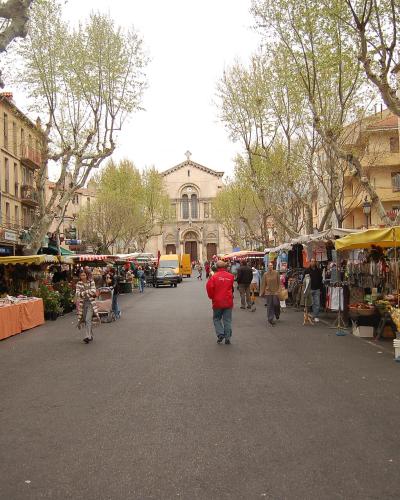
Toulon, situated in the Var department of southeastern France, is a city with a profound historical and strategic identity. Historically, it was a significant Phocaean Greek settlement before becoming a Roman colony. In the 17th century, Cardinal Richelieu recognized its strategic value and established it as a major naval base, a role it continues to play today. The city's architecture reflects its military past, with fortifications and naval structures interspersed with Provençal buildings. The old town, or Vieux Toulon, features narrow streets, historic churches, and a lively atmosphere. The city also has a rich cultural heritage, with museums dedicated to maritime history and local art. The 19th and 20th centuries saw significant urban development, including the construction of the modern port facilities and the expansion of the city's infrastructure.
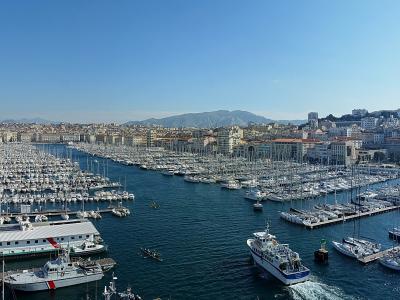
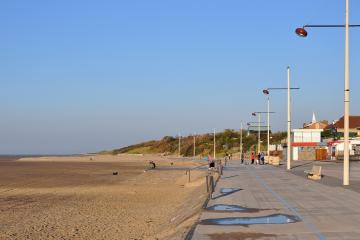
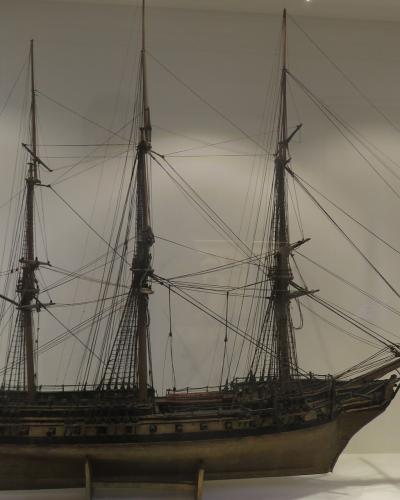
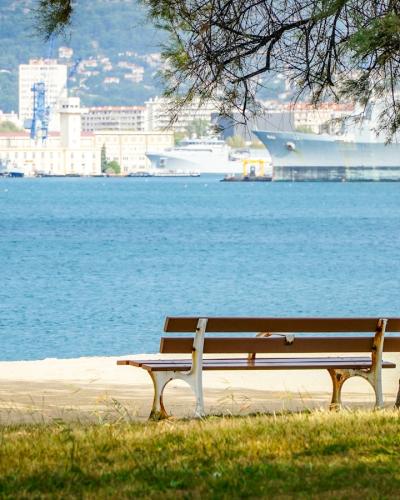
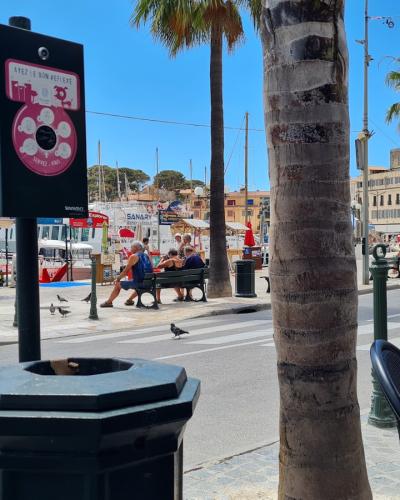
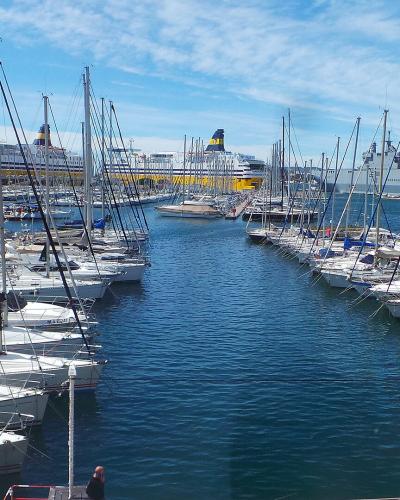
The main attractions in Toulon reflect its maritime and geographical setting. The Mont Faron, a prominent peak overlooking the city, offers panoramic views of the harbor and the Mediterranean. Visitors can take a cable car or drive up to the summit, where there are restaurants and hiking trails. The National Maritime Museum of Toulon is located in the old arsenal and houses a collection of naval artifacts, models, and paintings. The Old Town features the Cathedral of Saint-Maximin, a Gothic structure with a beautiful interior, and the Place de la Liberté, a central square surrounded by cafes and shops. The Port of Toulon is one of the largest in the Mediterranean, offering boat tours and access to nearby islands. The beaches of Mourillon, located to the east, are popular for swimming and sunbathing.
Toulon offers various activities for visitors interested in history, nature, and leisure. Boat trips to the Hyères Islands, particularly Porquerolles, Port-Cros, and Île du Levant, are popular for their pristine beaches and marine reserves. The Calanques National Park, located nearby, offers hiking and kayaking opportunities among dramatic limestone cliffs and turquoise waters. The city also hosts various festivals throughout the year, including the Toulon Jazz Festival. The local cuisine features Provençal specialties, including bouillabaisse, ratatouille, and fresh seafood. The nearby town of Cassis is a short drive away, known for its calanques and wine. The city has a vibrant nightlife, with numerous bars and restaurants along the harbor.
Getting to Toulon is convenient via train, with regular services from Marseille, Nice, and other major cities in the region. The train station is located in the city center, making it easily accessible. For those traveling by car, Toulon is connected by the A50 motorway. The best time to visit Toulon is from May to September, when the weather is warm and the seas are calm, ideal for beach activities and boat trips. June and September are particularly pleasant, with warm temperatures and fewer crowds than July and August. Spring and autumn offer milder weather and fewer crowds, making them suitable for sightseeing and hiking. Winter is mild but can be rainy, offering a serene atmosphere for indoor museum visits. Toulon combines historical depth, natural beauty, and recreational opportunities, making it a compelling destination for travelers seeking a unique Mediterranean experience.
Best Time to Visit
May to September offers warm weather and calm seas for optimal beach activities and sightseeing.
Did you know?
Interesting, verified facts about Toulon
Toulon Has Another Verifiable Detail
HistoryThe city is characterized by its deep natural harbor, historic old town, and panoramic views from Mont Faron.
Source: ToulonToulon Has Another Verifiable Detail
HistoryToulon serves as a gateway to the Calanques and the Hyères Islands, offering diverse experiences from urban exploration to coastal adventure.
Source: Calanques National Park: The English Guide the Park Never WrotePlan Your Visit to Toulon
Essential travel tips and information for your trip to Toulon.
Suggested Itineraries
Toulon Cultural Heritage
2 days2-day cultural heritage tour of Toulon's Old Town and maritime sites
View ItineraryTravel Tips
Currency
EUR • Cards widely accepted
Language
French • English in tourist areas
WiFi
Free WiFi in cafes and hotels
Explore Toulon by Interest
Discover attractions and experiences in Toulon organized by your interests and travel preferences.


All attractions in Toulon
Sorted by our recommendation score
Quick Facts
Book your stay
Frequently Asked Questions
More destinations in Provence-Alpes-Côte d'Azur
Explore other amazing places in the Provence-Alpes-Côte d'Azur region