







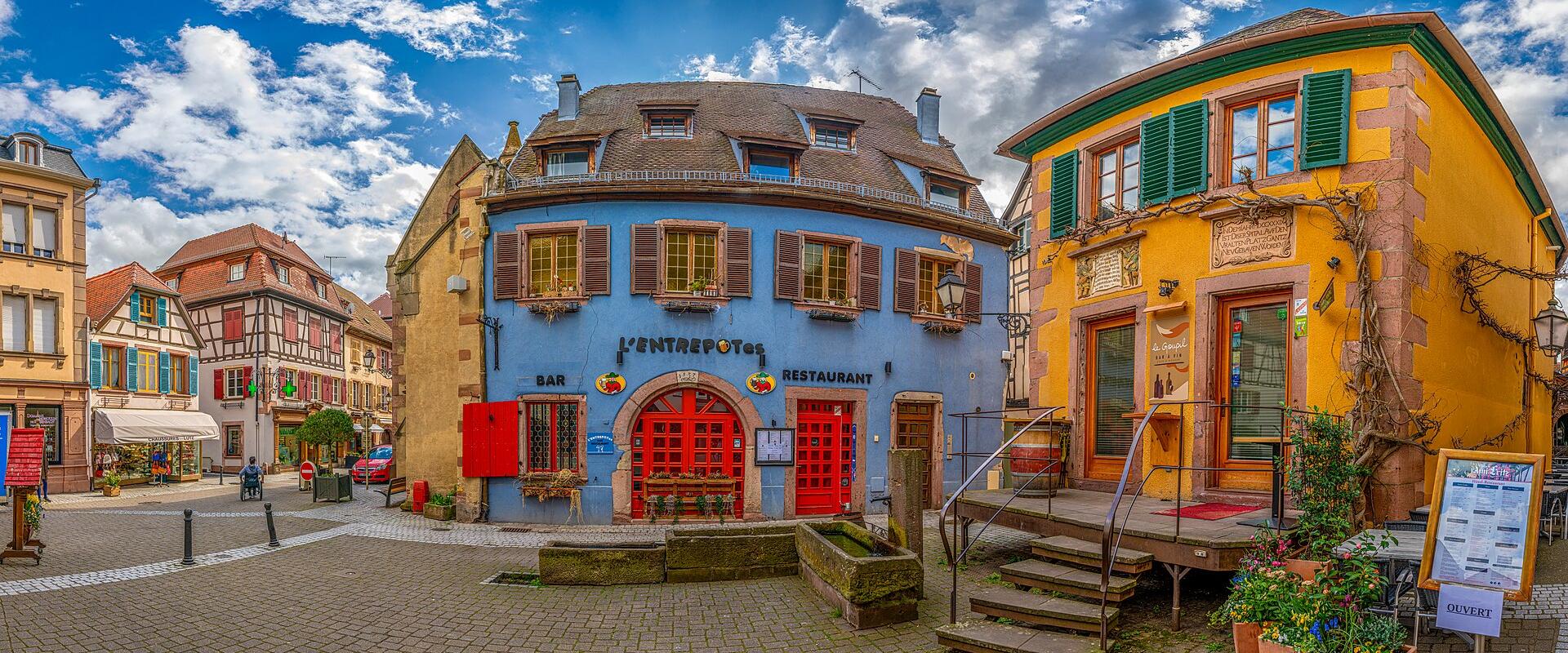
Ribeauvillé, situated in the Haut-Rhin department of northeastern France, is a town with a profound historical and cultural identity. Historically, it was granted town privileges in the 13th century and became a significant center for the Counts of Rappoltstein, known in French as the Ribeaupierre family. The town's strategic location made it a key stop on trade routes, leading to its fortification with walls and towers. The Counts of Rappoltstein built three castles on the surrounding hills: Saint-Ulrich, Girsberg and Rappoltstein, the last also called Haut-Ribeaupierre. These castles, now in ruins, offer panoramic views of the Alsace plain and the Vosges mountains. The town's architecture reflects its medieval origins, with narrow streets, half-timbered houses and stone buildings. The Butchers' Tower, dating from the 13th century, is one of the few remaining defensive structures. The town also has a rich Jewish heritage, with a historic synagogue and cemetery. The 19th and 20th centuries saw the town's transformation into a tourist destination, particularly for wine lovers, due to its location on the Alsace Wine Route.
The main attractions in Ribeauvillé revolve around its medieval heritage and wine culture. The Grand Rue is the main street, lined with historic buildings, shops and restaurants. The Town Hall, a Renaissance building, houses a collection of silver drinking cups. The Butchers' Tower offers views of the town and the surrounding countryside. The Château de Saint-Ulrich, the largest and best-preserved of the three castles, is accessible by a hiking trail and offers wide views, while the Château du Haut-Ribeaupierre, also called Hohrappoltstein or Altenkastel, is the highest. The Winegrowers' Fountain, located in the town center, is a notable landmark, and the Église Saint-Martin and the Remparts, the old Town Walls, add to the sights. The surrounding vineyards produce renowned Alsace wines, and numerous cellars offer tastings, with the Sentier des Vignes, a vineyard trail, leading through the slopes. The Maison du Pain d'Épices is a shop selling local gingerbread, while the gingerbread museum, the Musée du Pain d'Épices, is in Gertwiller, some distance to the north. The nearby villages of Riquewihr and Kaysersberg are easily accessible for further exploration.
Ribeauvillé offers various activities for visitors interested in history, wine and nature. Hiking is a primary activity, with trails leading to the three castles and through the surrounding vineyards. Marked footpaths of the Vosges Club pass near the town. Wine tasting is a central activity, with visits to local wineries and cooperatives. The town hosts various festivals throughout the year, including the Ribeauvillé Wine Festival and the Christmas Market, and the Pfifferdaj, or Fiddlers' Day, held on the first Sunday of September, draws large crowds with medieval costumes and music. The local cuisine features Alsatian specialties, including tarte flambée, choucroute and baeckeoffe. The nearby Vosges mountains offer additional outdoor activities, such as cycling and skiing in winter. The town also has several museums, including a small Museum of the Three Castles, listed locally.
Getting to Ribeauvillé is convenient via car, as it is located near Colmar. The town is accessible via the D418 and D1075 roads, among others. For those traveling by train, the nearest station is in Colmar, from where buses or taxis can reach Ribeauvillé. The best time to visit is from mid-June to early September, when the weather is warm and pleasant, ideal for exploring the outdoor attractions and hiking trails. July and August are the warmest months, with average highs around 25°C, but also the busiest. Spring and autumn offer milder weather and fewer crowds, making them suitable for sightseeing and wine tasting. Autumn is particularly popular for wine lovers due to the harvest season. Winter is cooler and quieter, offering a serene atmosphere for indoor museum visits.
Best time to visit
Mid-June to early September offers warm weather and ideal conditions for outdoor activities and sightseeing.
What to see in Ribeauville
Our picks first.
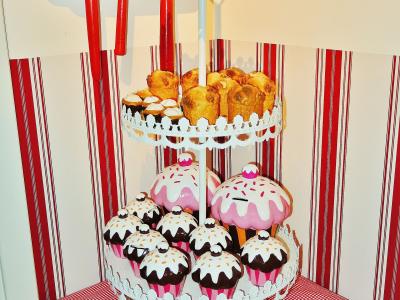
Musée du Pain d'Épices (Gingerbread Museum)
Interactive gingerbread museum in Gertwiller
From €2 Food & Wine · Museums & Culture
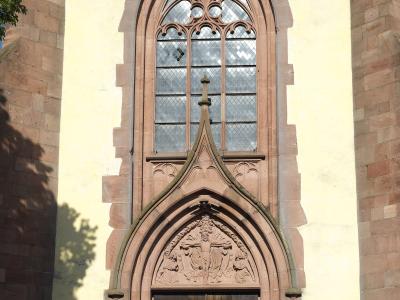
Église Saint-Martin
15th-century Gothic church in Ribeauvillé
Guided Experiences · Historic Architecture
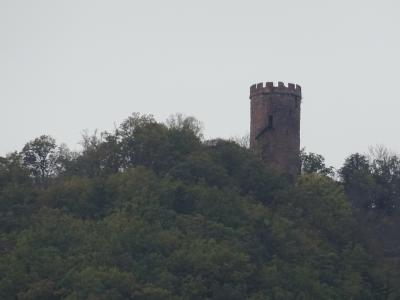
Château du Haut-Ribeaupierre
13th-century ruin at 640m altitude
Free Castles · Heritage Trails
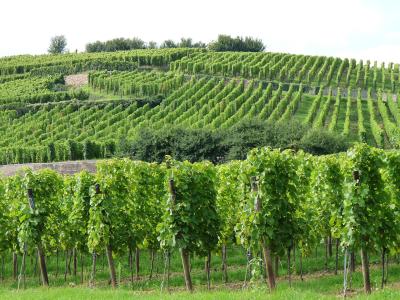
Vineyards of Ribeauvillé
Historic cellar and viticulture museum in Alsace vineyards
From €12 Food & Wine · Guided Experiences
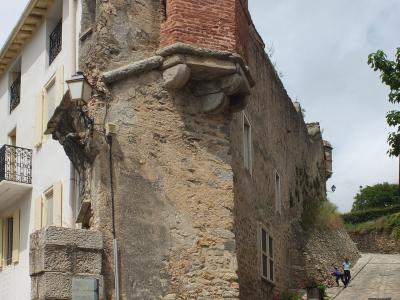
Remparts (Town Walls)
13th-century medieval town walls in Ribeauville
Historic Architecture · Urban Exploration
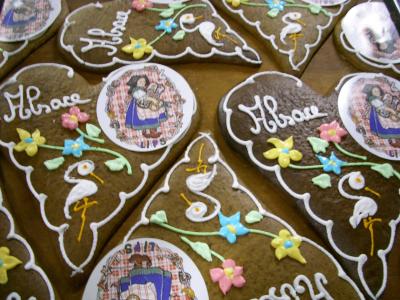
Maison du Pain d'Épices
Ribeauvillé gingerbread specialist
Food & Wine · Museums & Culture
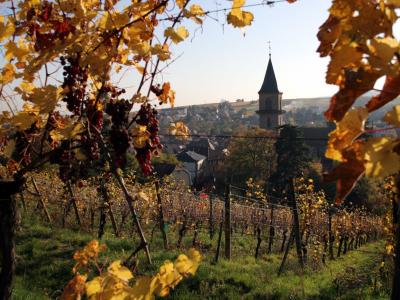
Sentier des Vignes (Vineyard Trail)
Vineyard trail in historic Ribeauvillé
Food & Wine · Nature & Parks
Ribeauville by interest
The same sights, grouped by what you came for.
Did you know?
Checked facts about Ribeauville, each with its source.
-
Film & TV
Inspiration for Beauty and the Beast
The town of Ribeauvillé is one of the two French villages that served as the visual inspiration for the animated film Beauty and the Beast.
Source: www.mentalfloss.com
Planning a visit to Ribeauville
Good to know
- Currency
- EUR
- Language
- French
Quick Facts
Book your stay
Questions people ask
More places in Alsace
Alsace
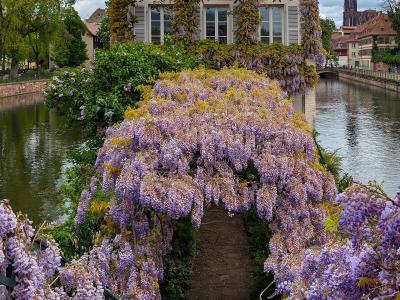
Strasbourg
European capital with Gothic cathedral and half-timbered houses
Alsace
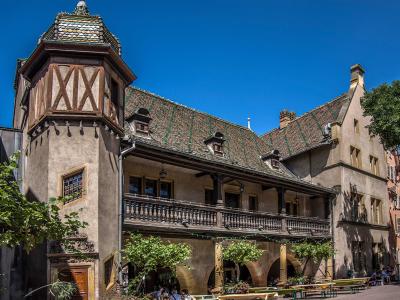
Colmar
Colorful half-timbered town in the heart of Alsace
Alsace
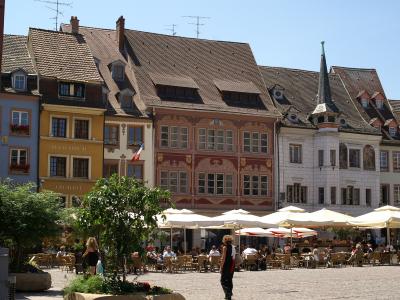
Mulhouse
Industrial heritage city with world-class automotive and railway museums
Alsace
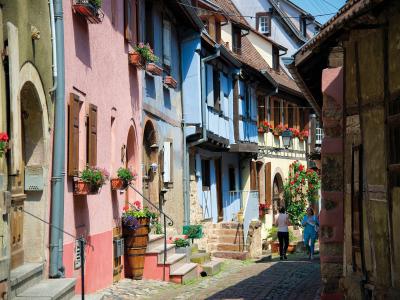
Riquewihr
Medieval walled village on the Alsace Wine Route with Dolder tower