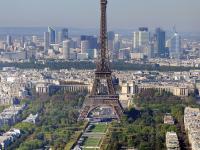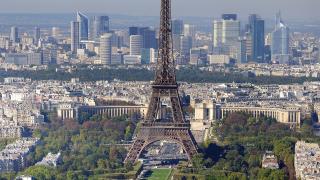





Travelers must exercise a high degree of caution in France. The primary security concern is the active threat of terrorism. Attacks have occurred previously in French cities. Additional attacks remain possible across the country. Potential targets include government buildings and police stations. Educational institutions like schools and universities are also at risk. Places of worship face potential threats as well. Cultural venues such as concert halls and nightclubs are vulnerable. Transportation hubs, including airports and metro networks, are key targets. Situational awareness is critical in crowded public spaces. While terrorism is the main threat, scams also exist. Pickpocketing is a significant risk in major cities. Hotspots include the Eiffel Tower and the Louvre. Metro Line 1 and RER B are common sites. Busy station platforms also see frequent theft. Knowledge and awareness are the best defenses against these opportunistic scams. Stay vigilant in predictable tourist areas. Protect your belongings closely in transport hubs. Maintain awareness of your surroundings at all times. This approach ensures a safer experience in France.
Mastering Pickpocket Tactics
Pickpocketing is the primary threat for tourists in France. Major cities like Paris, Nice, and Lyon face high risks. Opportunistic scams target visitors in predictable hotspots. Popular attractions include the Eiffel Tower and Louvre. Public transport hubs pose significant danger. Metro Line 1 and RER B are critical areas. Busy station platforms also see frequent incidents. Thieves use specific distraction techniques to operate. Fake petitions often serve as a cover. Team operations allow multiple people to work together. One person creates a disturbance while another steals. Knowledge and awareness are the best defenses. You must secure your belongings actively. Use anti-theft gear to protect valuables. Keep wallets in front pockets at all times. Avoid leaving items in back pockets. Hotel safes are essential for storing passports. Store cash and cards securely when not needed. Remain vigilant in crowded tourist zones. Do not leave bags unattended on benches. Watch for suspicious behavior near transport entrances. Stay alert during peak tourist hours. These measures reduce the risk of theft significantly. Prioritize safety to ensure a stress-free trip. Awareness allows you to navigate the city confidently. Protect your assets from opportunistic criminals. France remains generally safe with proper precautions.
Avoiding Common Scenic Scams
French cities host specific non-violent scams targeting tourists. The friendship bracelet scam is common in Paris. A stranger offers a free bracelet. They tie it to your wrist. They then demand payment. Refuse firmly. Walk away. Do not engage. Another tactic involves fake petitions. A person asks for a signature. This distracts you. An accomplice steals your wallet. Remain alert in crowds. The closed attraction ruse is also common. A guide claims a museum is closed. They offer a private tour. This is often a scam. Verify information with official sources. Do not accept unsolicited help. Stay in well-lit, public areas. Keep valuables secure. Be polite but firm. Do not feel obligated to accept free items. Quick, decisive action prevents loss. Stay aware of your surroundings. Trust your instincts. If a situation feels wrong, leave immediately. Prioritize your safety above all else. Remain vigilant in high-traffic tourist zones. These areas are prime targets for opportunistic thieves. Stay alert and keep your belongings close.
Secure Transportation Choices
Use official taxi ranks or apps like Uber. Avoid unmarked vehicles offering rides. In Paris, Metro Line 1 is a high-risk zone for pickpockets. Keep bags secure and close to your body. Book train tickets via official SNCF sites. This prevents fraud from third-party resellers. Be cautious with rental cars. Scammers may use fake checkpoint signs. Verify all official documentation before paying. Do not accept unsolicited help at stations. Stay alert in crowded transport hubs. These areas are prime targets for opportunistic thieves. Always keep valuables out of sight. Use hotel safes for passports and cash. Do not leave items unattended in vehicles. French police are present in major tourist areas. Report any suspicious activity to local authorities. Staying alert is your best defense. Remain aware of your surroundings at all times. Do not engage with strangers offering unsolicited help. Keep your travel documents secure at all times.
Emergency Response and Rights
Use the European emergency number 112 for all urgent needs. This number works across all EU countries. It connects you to police, medical, and fire services. Local police in France are known as the Police Nationale. They handle urban areas and major cities. The gendarmerie serves rural areas and smaller towns. You can file a police report for stolen items. This document is essential for insurance claims. Contact your insurance provider immediately after the incident. Provide the police report number to your insurer. You have the right to a fair legal process. If you face legal issues, you may request an interpreter. French authorities must provide translation services for major languages. Register with your embassy upon arrival in France. This step ensures your government can contact you. Keep digital copies of your passport and visa. Store these copies in a secure cloud location. Carry a physical copy of your passport at all times. Keep the original passport in a hotel safe. This practice protects your identity documents from theft. Always carry a photocopy of your visa. This document proves your legal status in France. French authorities may request this document for inspection. Have your passport ready for all identity checks. This practice ensures smooth travel throughout France.