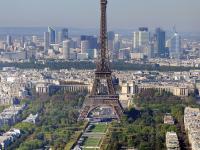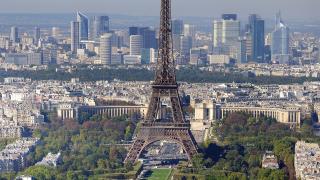






France requires a high degree of caution due to terrorism threats. Attacks remain possible at government buildings, schools, and cultural venues. Violent crime against tourists is rare in this context. However, opportunistic crime is common in major cities. Pickpocketing operates predictably at high-traffic locations like the Eiffel Tower and Louvre Museum. Scammers also target travelers on Metro Line 1 and RER B trains. Knowledge and awareness serve as the best defenses against these schemes. You must distinguish between general safety risks and specific tourist-targeted scams. Situation awareness is essential for personal security. Monitor local news for updates on civil unrest or security alerts. Official resources like the French Tourist Police website provide vital guidance. Prioritize vigilance in crowded areas to avoid becoming a victim. Stay informed to navigate the threat landscape effectively and safely.
Mastering Pickpocket Defense
Pickpockets target high-traffic zones in France. Key locations include the Eiffel Tower, Louvre, and Sacré-Cœur. Metro Line 1 and RER B are high-risk transit points. Thieves use distraction techniques to steal. Common tactics involve fake petitions or gold rings. Crowds provide cover for these operations. Knowledge and awareness are your best defenses. Wear cross-body bags under your clothes. Use front-facing pockets for valuables. Maintain physical control of bags on public transport. Check pockets immediately after unexpected contact. This simple action prevents loss. Official resources offer further guidance. Consult the French Tourist Police website. Review the U.S. Embassy Safety Guide. Use specific Paris Safe Tourism Guides. These tools provide local, actionable advice. Stay alert in crowded areas. Do not leave bags unattended. Vigilance reduces your risk significantly. France is generally safe. However, tourist-targeted scams are prevalent. Exercise caution in major cities like Paris, Nice, and Lyon. Focus on your belongings at all times. Simple habits ensure a secure trip.
Avoiding Service and Petition Traps
Avoid accepting free bracelets or signing petitions from strangers in Paris. These are common non-pickpocket scams targeting tourists. Scammers use distraction techniques to isolate victims. Be wary of unsolicited help at major attractions. Locations like the Eiffel Tower and Louvre are high-risk zones. Do not accept assistance at transport hubs like RER B stations. Such offers often lead to forced payment demands. Use only licensed taxis or reputable apps like Uber or Bolt. Unlicensed drivers may overcharge or take longer routes. Legitimate services do not require immediate payment or persuasion. Disengage immediately from pressured or aggressive interactions. Do not engage in arguments or negotiations. Walk away calmly and quickly. Report suspicious behavior to local authorities. The French Tourist Police website offers specific guidance. U.S. Embassy Safety Guides provide additional resources. Knowledge and awareness are your best defenses. Stay alert in crowded areas like Metro Line 1. Thieves operate predictably in these high-traffic zones. Avoid displaying valuables openly. Keep bags closed and in front of you. Trust your instincts if a situation feels unsafe. Prioritize your safety over politeness. France is generally safe, but vigilance is essential. Scams thrive on hesitation and confusion. Act decisively to avoid financial loss. Stay informed about current safety advisories. Exercise a high degree of caution at all times.
Securing Accommodation and Transit
Select well-lit accommodations in central Paris, Nice, or Lyon. Prioritize hotels with verified security reviews. Store passports and valuables in hotel safes immediately upon arrival. Use official airport shuttles or registered taxis for transit. Avoid unmarked vehicles near major hubs like Charles de Gaulle. Utilize ATMs located inside banks or busy, well-lit areas. Shield your PIN entry completely during transactions. Keep tickets secure in a front pocket while on Metro Line 1 or RER B. These trains are high-risk zones for theft. Remain vigilant at the Louvre and Notre-Dame Cathedral. Knowledge and awareness are your primary defenses. Consult the French Tourist Police website for specific guidance. The U.S. Embassy Safety Guide offers additional resources. Stay alert in cultural venues and transportation hubs. Terrorism threats require a high degree of caution. Avoid isolated areas at night. Keep valuables concealed and close to your body. Report any suspicious activity to local authorities immediately.
Emergency Resources and Legal Rights
Dial 112 for all emergencies in France. This number connects you to police, fire, and medical services immediately. Use the Tourist Police in major cities for tourist-specific issues. They assist with pickpocketing and scam reports in Paris, Nice, and Lyon. Consult the U.S. Embassy Safety Guide for additional support and consular services. Report crimes immediately to obtain official police reports. These documents are essential for insurance claims and legal proceedings. Know your legal rights as a foreign visitor in France. You have access to translation services during police interactions. This ensures clear communication during investigations. Do not delay reporting theft or fraud. Quick action increases the chance of recovery. Keep digital copies of your police reports. Store these securely for future reference. Awareness of these resources protects your travel experience. France maintains specific protocols for tourist safety. Utilize these official channels when necessary.